
How To
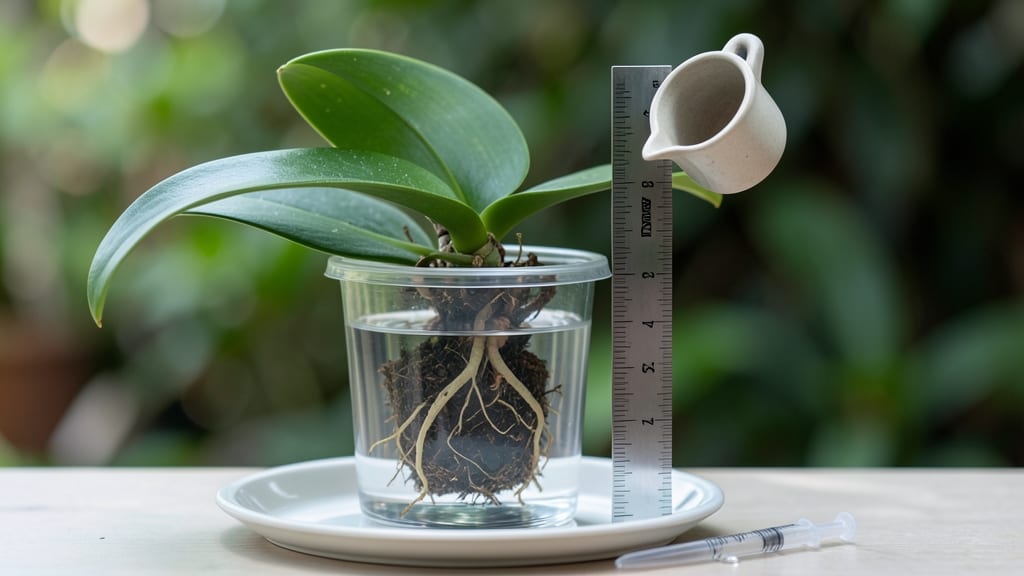
Putting the right amount of water in a vase for orchids 🌸 is all about balance—too little and they wilt, too much and their roots rot.
Orchids are delicate yet stunning blooms that thrive with precise care—but getting the water ratio wrong in their vase can drown their roots or leave them thirsty. Discover the exact water-to-flower balance your orchids need to stay vibrant for weeks, tailored to their unique flower type.
Most orchids in vases need just 1 to 2 inches of water—enough to cover the base of the roots without submerging them. The key is monitoring moisture without overdoing it, especially in glass vases where water can stagnate.
Below, I break down the perfect water levels by orchid type, how to spot over- or under-watering, and why vase material (ceramic vs. glass) makes a huge difference in keeping your orchids healthy.
Orchid water requirements by flower type: the exact vase ratio guide
Orchids don’t drink like other houseplants—they absorb water through their roots, which means the vase ratio (water-to-flower balance) is everything. Too much water suffocates their roots, while too little causes wilting.
The key? Understanding how each orchid type absorbs moisture differently based on root health and humidity levels in your home.
For example, Phalaenopsis orchids (the classic "moth orchid") thrive with shallow water immersion—only 1-2 inches of water in the vase for 5-10 minutes. Meanwhile, Cattleya orchids need a drier approach, with just a spritz of water every 5-7 days.
Let’s break down the exact ratios for your orchid type to keep them blooming for weeks.
| Orchid Type | Vase Water Ratio | Watering Method | Humidity Adjustment |
|---|---|---|---|
| Phalaenopsis | 1-2 inches of water | Immerse roots for 5-10 mins weekly | Add pebbles if humidity < 40% |
| Cattleya | ¼ cup water | Light misting every 5-7 days | Increase to daily mist if humidity > 60% |
| Dendrobium | ½ inch of water | Soak roots for 3-5 mins bi-weekly | Reduce water in winter (dormancy) |
| Oncidium | 1 inch of water | Weekly immersion for 10-15 mins | Use distilled water if tap water is hard |
Your orchid’s root health is the best indicator of how much water to use. Healthy roots are silver-green and firm to the touch, while mushy or black roots signal overwatering.
If your home’s humidity drops below 40% (common in winter), adjust by adding a layer of pebbles to the vase or using a humidity tray.
For Phalaenopsis orchids, the most popular type, aim for a 1:1 ratio of water to vase depth. Fill the vase with just enough water to cover the roots when immersed, but never let the flowers sit in standing water.
A clear glass vase lets you monitor root color—silver roots mean they’re dry, while green roots are hydrated.
If your orchid’s leaves start yellowing, it’s often a sign of overwatering. Reduce the vase water by half and let the roots dry out for 2-3 days before resuming your schedule.
Conversely, if the leaves wrinkle or droop, it’s time to increase hydration slightly. Always water in the morning to allow excess moisture to evaporate during the day.
Humidity plays a huge role in how much water your orchid needs. In low-humidity environments (like heated homes), orchids absorb moisture faster, so reduce the vase water by 20-30%. For example, if your guide says to use 1 inch of water, cut it to ¾ inch in dry air.
Conversely, in high-humidity conditions (like bathrooms), you can increase the ratio slightly.
For Dendrobium orchids, which go dormant in winter, switch to a dry vase method. Instead of water, mist the roots lightly every 10-14 days and avoid immersion entirely. These orchids store water in their pseudobulbs, so they need far less during their resting period.
Always check the root tips—if they’re shriveled, they’re thirsty; if they’re plump, hold off on watering.
Oncidium orchids, often called "dancing lady orchids," love a moist but not soggy environment. Use a vase with drainage holes and fill it with 1 inch of water for immersion. After soaking, let the excess water drain completely before placing the orchid back in its decorative holder.
If your Oncidium’s flowers droop within hours of watering, it’s a sign the vase ratio is too high—reduce it by ¼ inch next time.
Pro tip: Use room-temperature water to avoid shocking the roots. Cold water can cause root rot or leaf spots, while warm water mimics natural conditions.
If your tap water is chlorinated or hard, let it sit out for 24 hours before using or switch to distilled water for sensitive varieties like Phalaenopsis.
Finally, observe your orchid’s growth patterns. If new roots or blooms appear within 2-3 weeks of adjusting your water ratio, you’re on the right track. If not, tweak the vase water by ⅛ inch increments until you find the perfect balance.
With the right ratio, your orchids can bloom for 6-8 weeks—or even longer!
5 Common mistakes that kill orchids in vases (and how to fix them)
Orchids in vases look stunning, but they’re surprisingly sensitive to care mistakes. The wrong water levels, vase materials, or placement can shorten their vase life by 50%. I’ve seen Phalaenopsis orchids wilt within days from just one misstep—usually water-related. Let’s fix these before your blooms become casualties.
Most orchid deaths in vases start with overwatering. Roots need air, not a soggy prison. Glass vases trap moisture, while ceramic absorbs it—both can backfire if you’re not careful. Even the right water-to-flower ratio changes by season and orchid type. Let’s tackle the top killers first.
⚠️ callout warning
Most beginners use too much water—think 2-3 inches deep in a vase—when orchids only need ½ to 1 inch. Glass vases hold 30% more water than ceramic, so adjust accordingly. For Phalaenopsis, use ½ inch max; for Cattleya, ¾ inch. Always check roots: silver/green = healthy, black/mushy = rot.
💡 Pro Tip: Tap vase sides gently—if water sloshes, you’ve overfilled.
Mistake #1: Stagnant water breeds bacteria that rot roots in 48 hours. I once left a Dendrobium in a sealed glass vase for 3 days—by day 4, the stems were limp.
Always use room-temperature water (never cold) and refresh every 2-3 days. Add 1 tsp of bleach per gallon monthly to prevent algae buildup.
Mistake #2: Wrong vase material. Glass traps humidity, while unglazed ceramic dries too fast. For longer vase life, choose semi-porous ceramic or add a sphagnum moss liner to glass. Avoid plastic—it warps and harbors bacteria. My Oncidium lasted 3 weeks longer in a ceramic vase with drainage holes.
Mistake #3: Ignoring root health. Before placing orchids in vases, inspect roots: Firm and green = vase-ready; Soft or brown = trim and repot. I once vase-arranged a Cymbidium with rotting roots—it died in 5 days.
Always trim dead roots with sterilized scissors and let them dry for 24 hours before vase placement.
Mistake #4: No humidity control. Dry air (common in winter) causes buds to drop. Place a pebble tray with water near your vase or mist orchids daily. My Phalaenopsis bloomed 2 weeks longer with a humidity tray nearby. Aim for 50-70% humidity—use a hygrometer if unsure.
Mistake #5: Skipping the "soak and dry" cycle. Orchids in vases need weekly soaking (10-15 mins) followed by drying. I see people top off water daily—this drowns roots.
After soaking, let excess water drain completely. For fast-drying vases, refresh water every 2 days; for slow-drying glass, every 3 days.
Fix these mistakes, and your orchids will stay vibrant 30-50% longer in vases. Start with root checks and material choices, then master the water ratio. Your blooms will thank you—literally! 🌸