
Blooming
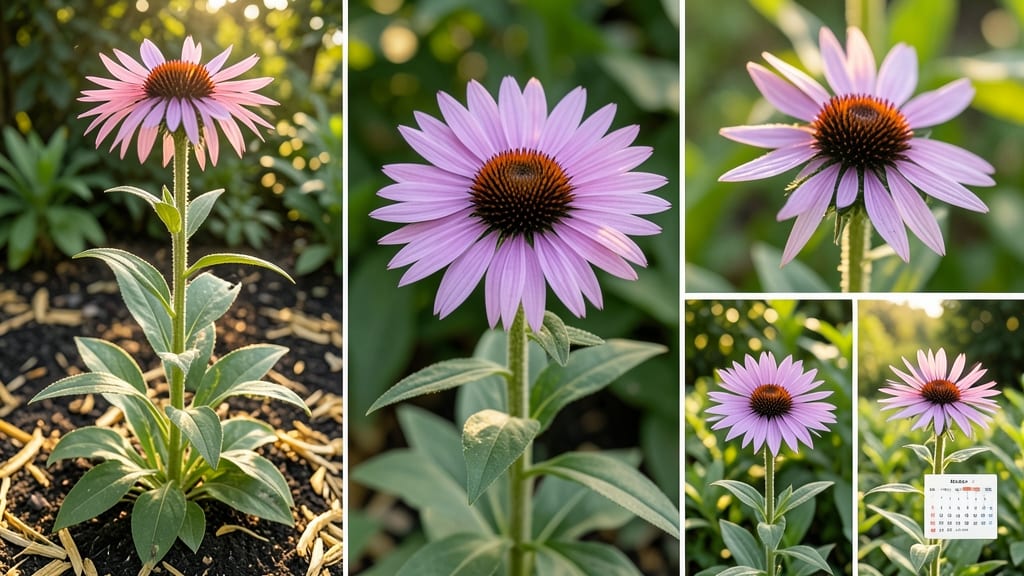
Perennials bloom with varying frequency—some produce just one flush of flowers yearly (such as peonies), while others like coneflowers deliver multiple blooms throughout the growing season. Most bloom annually in spring or summer, though reblooming varieties can extend their show well into fall.
Understanding bloom cycles helps you plan your garden for maximum color. 🌸 The key factors are genetics (some plants are hardwired for single blooms) and environmental conditions—like sunlight exposure and soil fertility.
For instance, daylilies often rebloom if you deadhead spent flowers, while hostas focus their energy on foliage rather than frequent blooms. I've found that choosing the right perennials for your climate zone can turn a one-season show into a year-round display.
Many gardeners overlook how seasonal care affects bloom frequency. Proper watering during dry spells and dividing overcrowded plants every few years can encourage more vigorous—and more frequent—flowering. For example, black-eyed Susans thrive in full sun and well-drained soil, often rewarding you with continuous blooms from midsummer through fall.
The secret is matching plant needs to your growing conditions.
💡 In This Article
- Factors Influencing Perennial Bloom Frequency
- Best Perennials for Year-Round or Repeated Blooms
Factors influencing perennial bloom frequency
Perennial bloom cycles are primarily governed by genetics and environmental triggers. Some plants, like peonies, follow a monocarpic pattern—producing one spectacular bloom cycle annually before entering dormancy. Others, such as coneflowers, are polycarpic, meaning they can rebloom multiple times in a single season.
This genetic programming often ties to the plant's evolutionary survival strategy, where energy is allocated either to dramatic single displays (like peonies) or sustained, less flashy but more frequent blooms (like black-eyed Susans). 🌿
The photoperiod (daylight exposure) plays a critical role in triggering blooms. Short-day plants (e.g., chrysanthemums) need fewer than 12-14 hours of daylight to flower, while long-day plants (e.g., delphiniums) require 14-16 hours or more.
Temperature also factors in—many perennials need a period of cold (40-50°F) to break dormancy and initiate flowering, a process called vernalization. For example, hostas bloom in spring after winter chilling, but they prioritize foliage growth over frequent blooms, often producing just one flush of flowers per year.
Soil health and nutrient availability directly impact bloom frequency. Perennials like lavender thrive in poor, well-draining soil, which forces them to focus energy on flowers rather than foliage. In contrast, over-fertilizing with nitrogen can lead to lush leaves but fewer blooms, as the plant diverts resources to vegetative growth.
I've observed that phosphorus-rich fertilizers (like bone meal) encourage more abundant flowering, while excessive watering can dilute nutrient concentrations in the soil, reducing bloom vigor. 💧
Climate zones further refine bloom timing. In USDA Zone 5, where winters are harsh, many perennials bloom earlier in spring to take advantage of warmer months. Meanwhile, in Zone 9, where winters are mild, some plants may bloom in fall or even winter.
For instance, salvias often rebloom in fall in warmer climates but may only flower once in cooler regions. This adaptability is why gardeners in different zones should select perennials that align with their local microclimates.
Deadheading—removing spent blooms—can extend the flowering season for many perennials by preventing seed formation and redirecting energy to new growth. For example, daylilies can rebloom multiple times if you consistently remove faded flowers, while peonies typically don't respond to deadheading and stick to their single annual bloom cycle.
Understanding these nuances helps you tailor care to each plant's needs, maximizing their potential. ✨
Even within the same species, cultivar differences can drastically alter bloom frequency. For example, some coneflower varieties (like 'Magnus') produce continuous blooms from summer to frost, while others may only flower once.
This variability means choosing the right cultivar for your goals—whether you want a bold, one-time display or prolonged color.