
Flowers
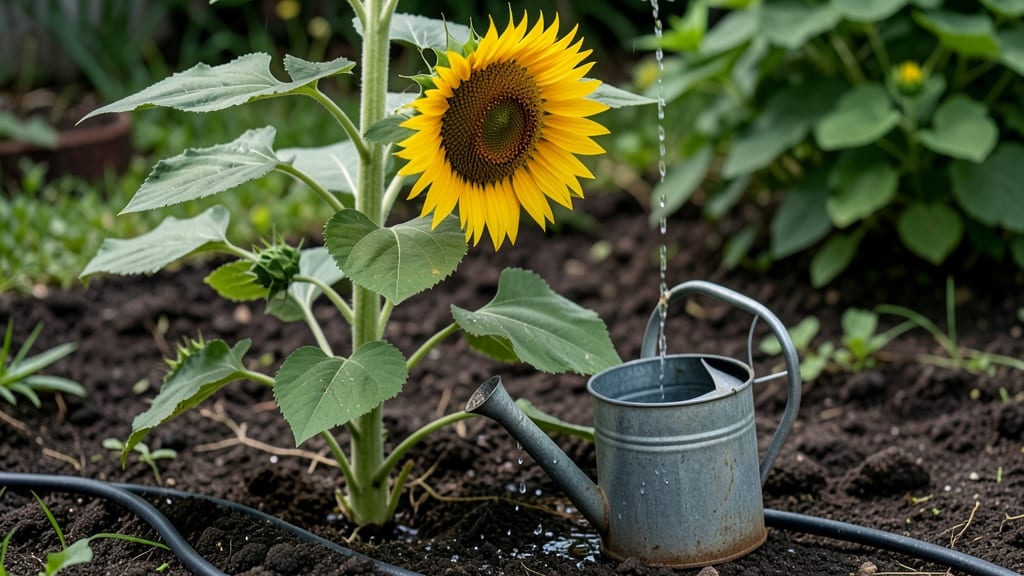
Sunflowers need to be watered how often do sunflowers need to be watered about every 3-5 days for young plants and every 7-10 days once established, but that schedule changes with heat, soil, and growth stage.
Picture this: your towering 🌻 sunflowers wobble like overgrown weeds in a summer breeze, all because the soil stayed bone-dry. Or worse, their leaves turn yellow and droop from too much water. The right balance keeps stems sturdy and blooms vibrant—and it’s easier than you think.
Your watering strategy should shift as your sunflowers grow. Seedlings need consistent moisture to prevent wilting, while mature plants develop deep roots that make them surprisingly drought-resistant.
But climate plays a huge role: in Zone 6, a scorching July might demand daily watering, while a rainy May could mean skipping a week.
Below, I’ll break down the exact watering schedule by stage, how to tell if you’re overdoing or underdoing it, and the simple tricks to keep your sunflowers thriving—no guesswork required.
Sunflower watering schedule by growth stage: from seed to bloom
Sunflowers thrive when their watering routine matches their growth stage. Seedlings need frequent moisture to develop strong roots, while mature plants can handle longer dry spells. The key is keeping soil consistently moist but never soggy—especially during their rapid growth phases.
In Zone 6, where summers can be intense, I’ve learned that adjusting watering based on heat and rainfall is non-negotiable for preventing floppy stems or wilting.
Your watering strategy should evolve alongside your sunflowers. Young plants (first 4-6 weeks) are most vulnerable, while established plants (6+ weeks) develop deep roots that access moisture independently. Even in drought-prone areas, mature sunflowers can survive on weekly deep waterings once their roots reach 12+ inches deep.
The trick? Monitor soil moisture at the root level—not just the surface.
To check soil moisture correctly, stick your finger 2 inches deep into the soil. If it feels dry, water deeply until moisture reaches 6-8 inches down. In clay soil, water less often but more deeply, while sandy soil drains quickly, requiring more frequent watering.
Overwatering is just as damaging as underwatering—it leads to root rot and weak stems that snap in wind.
Here’s the breakdown of how often sunflowers need watering by growth stage, tailored for both drought-prone and rainy climates, with soil moisture targets included:
During the seedling stage, I water my sunflowers in the morning to prevent fungal diseases like damping off, which thrives in damp soil. A gentle spray from a watering can ensures the soil stays evenly moist without disturbing the delicate sprouts.
In hot climates, I increase frequency to daily watering until seedlings are 2 inches tall, then taper off as roots strengthen.
The vegetative stage is where sunflowers grow fastest—up to 3 inches per day in ideal conditions. Here, deep watering is critical. I aim for 1-2 gallons per plant every 3-5 days, soaking the soil until water drips from the bottom.
In sandy soil, I check moisture hourly in extreme heat, while clay soil holds moisture longer, reducing the need for frequent watering.
As sunflowers enter the flowering stage, their water needs shift again. Overwatering now can cause buds to rot before they open. I reduce frequency to every 5-7 days and focus on keeping the lower stems dry.
In rainy seasons, I skip watering entirely if the soil stays saturated for more than 24 hours. The goal is to mimic natural rainfall patterns without creating waterlogged conditions.
For mature sunflowers, I adopt a "soak and dry" approach. Watering every 7-10 days encourages deep root growth, making them more resilient to drought. In my garden, I’ve seen 10-foot sun
5 Warning signs your sunflowers are overwatered or underwatered (and how to fix them)
Sunflowers may look tough, but they’re actually quite sensitive to watering mistakes. Too much water causes root rot, while too little leads to stunted growth and weak stems. The key is finding that perfect balance—especially since their deep taproots need consistent moisture without soggy soil.
I’ve seen firsthand how quickly sunflowers can go from vibrant and healthy to drooping and yellow in just a few days. The good news? Most watering issues are reversible if you catch them early. Here’s how to spot the signs and fix them before your sunflowers hit the skids.
⚠️ How Often Do Sunflowers Need Watering?
Young plants: Every 3-4 days (deep soak, 1-2 inches of soil moisture) Mature plants: Every 7-10 days (drought-tolerant once established) Clay soil: Reduce frequency by 25% (water drains slower) Sandy soil: Increase frequency by 30% (drains too fast)
Your first clue is often the leaves. Yellowing leaves, especially on younger plants, usually mean overwatering. The edges turn crispy and brown, while the centers stay green—a classic sign of root suffocation.
If you see this, stop watering immediately and let the soil dry out for 2-3 days before resuming.
On the flip side, underwatered sunflowers show wilting leaves that feel dry and papery to the touch. The wilting often starts at the bottom and works upward. Unlike overwatering, these leaves won’t recover until you give them a deep drink.
Water at the base (not the leaves) in the morning to prevent fungal issues.
Another red flag is drooping stems. Healthy sunflowers stand tall and proud, but water stress causes them to flop over. If the stems feel soft or mushy, you’ve got root rot from overwatering.
Dig up the plant—if the roots smell foul or look black and mushy, it’s time to prune the roots and repot in fresh, dry soil.
For underwatered sunflowers, the fix is simple: water deeply until it runs out the drainage holes. Then, mulch around the base with 2-3 inches of straw to lock in moisture. This mimics natural rainfall by keeping roots hydrated longer between waterings.
Don’t ignore stunted growth either. If your sunflowers aren’t reaching their expected height, they’re likely struggling with either too much or too little water. Adjust your schedule: young plants need frequent watering, while mature plants can handle longer dry spells once their roots establish.