
Light Requirements
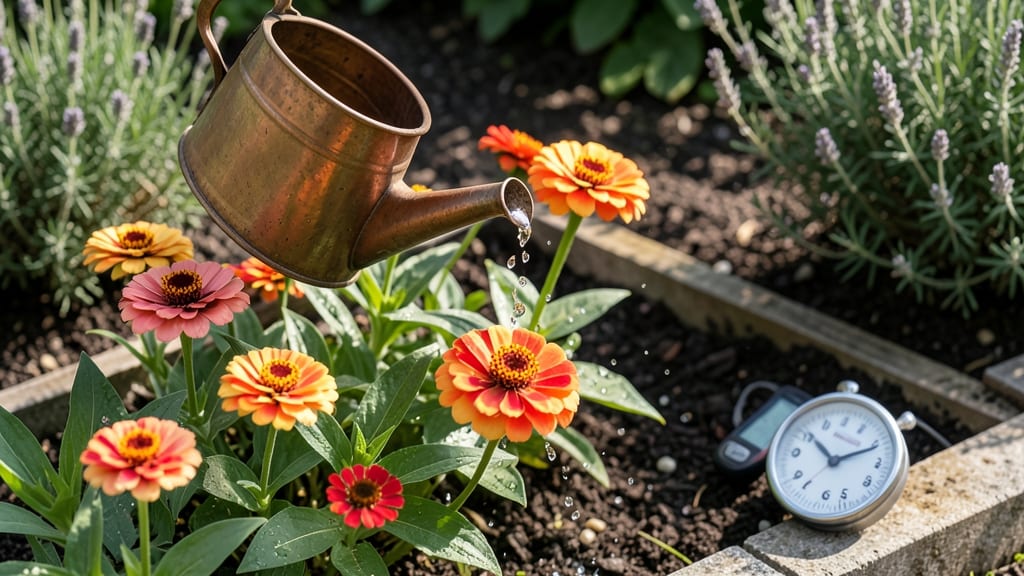
How often do zinnias need to be watered? The answer is about once every 2-3 days for consistent blooms, but the real trick is giving them 1-2 inches of water per week—not just a quick splash.
Struggling to keep your zinnias vibrant and blooming all season? The secret isn’t just in the soil—it’s in the watering schedule. Get this wrong, and your bright, cheerful flowers could wilt faster than you think.
Too little water, and your zinnias droop or stop flowering. Too much, and you risk root rot or weak stems that flop over. The key is reading your zinnias’ signals—wilting leaves, yellowing edges, or soil that’s bone-dry or soggy.
In this guide, I’ll break down the exact watering routine for your zinnias, from early summer heatwaves to cooler fall days. You’ll learn how to adjust for rain, clay soil, or containers—so your 🌼 zinnias stay happy, healthy, and blooming until frost.
Zinnia watering schedule: the 1-2 inch weekly rule explained
Mastering the zinnia watering schedule is the secret to those show-stopping blooms that last all season. These sun-loving flowers thrive on a consistent moisture supply, but too much or too little water can spell disaster.
The 1-2 inch weekly rule isn't just a guideline—it's the golden standard for keeping your zinnias healthy, vibrant, and blooming from summer through fall.
Think of your zinnias like a thirsty traveler—they need just enough water to stay hydrated without drowning. Overwatering leads to weak stems and fungal diseases, while underwatering causes buds to drop before opening.
The key lies in deep, infrequent watering that encourages strong root development. When you get this right, you'll see zinnias that stand tall and proud, not floppy and sad.
Here's the science behind the rule: 1-2 inches of water per week mimics natural rainfall patterns, giving roots time to grow deeper while keeping foliage lush. This measurement includes both rainfall and your watering efforts.
To check if you're hitting the mark, stick a screwdriver or rain gauge into the soil near your zinnias—if it comes out dry at 1-2 inches, it's time to water.
| Growth Stage | Water Needs | Frequency | Best Time | Pro Tip |
|---|---|---|---|---|
| Seedlings | ½ inch weekly | Every 2-3 days | Morning | Keep soil moist, not soggy |
| Established Plants | 1-2 inches weekly | 2-3 times per week | Early morning | Water at base, avoid leaves |
| Blooming Season | 1.5-2 inches weekly | Daily in heatwaves | Before 8 AM | Mulch to retain moisture |
| Late Summer | 1 inch weekly | Every 4-5 days | Morning or evening | Reduce water as temps drop |
| Containers | 1 inch every 1-2 days | Daily in heat | Morning | Use self-watering pots |
Why does timing matter so much? Morning watering is ideal because it gives leaves time to dry out during the day, reducing fungal diseases like powdery mildew. If you must water in the evening, do it at least 3 hours before sunset to prevent moisture from lingering on foliage overnight.
I've learned this the hard way—my zinnias once developed unsightly white spots after a late-night watering session during a humid spell!
Seasonal adjustments are crucial. During peak summer heat (75°F+), zinnias may need water every 1-2 days to maintain that 1-2 inch weekly total. Check soil moisture daily by pressing your finger an inch into the soil—if it feels dry, it's time to water.
In cooler months or after rain, you can stretch watering to every 5-7 days, but never let the soil dry out completely.
Container-grown zinnias dry out faster than in-ground plants, so they often need daily watering during hot weather. The trick is using well-draining pots with saucers to catch excess water. I've found that terracotta pots work beautifully—they breathe better than plastic and help prevent root rot.
For containers, aim for 1 inch of water every 1-2 days in summer, adjusting based on your microclimate.
Don't forget about mulching—this simple technique can save you time and keep your zinnias thriving. Apply a 2-3 inch layer of organic mulch (like straw or shredded leaves) around your plants to lock in moisture and regulate soil temperature.
I've seen mulched zinnias stay hydrated 30% longer between waterings, and the added bonus is fewer weeds to pull!
Watch for these tell-tale signs that your watering schedule needs adjustment. Wilting leaves that don't perk up after watering often mean roots are
Signs your zinnias are overwatered or underwatered (and how to fix it)
Zinnias are hardy flowers that thrive on consistent moisture, but even these tough plants can suffer from watering mistakes. Overwatering or underwatering both trigger stress signals—wilting, yellowing leaves, or stunted growth—that can cut your blooming season short. The key is recognizing these visual cues early before damage becomes permanent.
I’ve seen zinnias revive dramatically when I adjust their watering routine. For example, last summer, my Benary’s Giant zinnias started drooping midday despite my daily watering.
Turns out, the soil was waterlogged from too-frequent irrigation. Within 48 hours of cutting back, they perked up again. This happens more often than you’d think!
Zinnias need 1-2 inches of water weekly, but frequency depends on climate and soil. In hot, dry summers, water every 2-3 days at soil level. In humid climates, reduce to every 4-5 days. Mulch heavily to retain moisture—this cuts watering needs by 30-50%.
Pro Tip: Stick a screwdriver into the soil—if it slides in easily, you’re overwatering. If it pulls out dry, it’s time to water.
One of the first underwatering signs is morning wilting. Unlike afternoon wilting (which can be normal in heat), zinnias that droop by 8 AM are screaming for water.
Check the soil moisture—if the top 1-2 inches are dry, it’s time to water deeply. Yellowing leaves on younger plants often mean roots are struggling to absorb moisture, while brown, crispy edges signal thirst in mature zinnias.
Overwatered zinnias show different warning signs. Look for mushy stems or leaves that feel slimy to the touch—this is root rot setting in. The soil may also emit a sour, rotten smell.
If you spot white mold on stems or leaves, that’s powdery mildew, often caused by excess moisture on foliage. Stop watering immediately and let the soil dry out completely before resuming.
To fix underwatered zinnias, water deeply until moisture reaches 6 inches down. For containers, soak the pot until water runs out the drainage holes. Morning watering is best—it gives foliage time to dry before evening, reducing disease risk.
Add organic compost to improve soil retention, and consider drip irrigation for consistent moisture without over-saturating the soil.
For overwatered zinnias, reduce frequency and improve drainage. Mix perlite or sand into heavy clay soil, or move potted zinnias to well-draining containers.
If root rot has set in, trim affected roots with sterilized scissors and repot in fresh, dry soil. Space plants properly—crowded zinnias compete for water and increase humidity around leaves, worsening rot risks.
Remember, zinnias are drought-tolerant once established, so err on the side of underwatering if you’re unsure. A quick soil check with your finger or a moisture meter will become your best friend. With the right balance, your zinnias will reward you with nonstop blooms from summer to frost! 🌼