
Watering
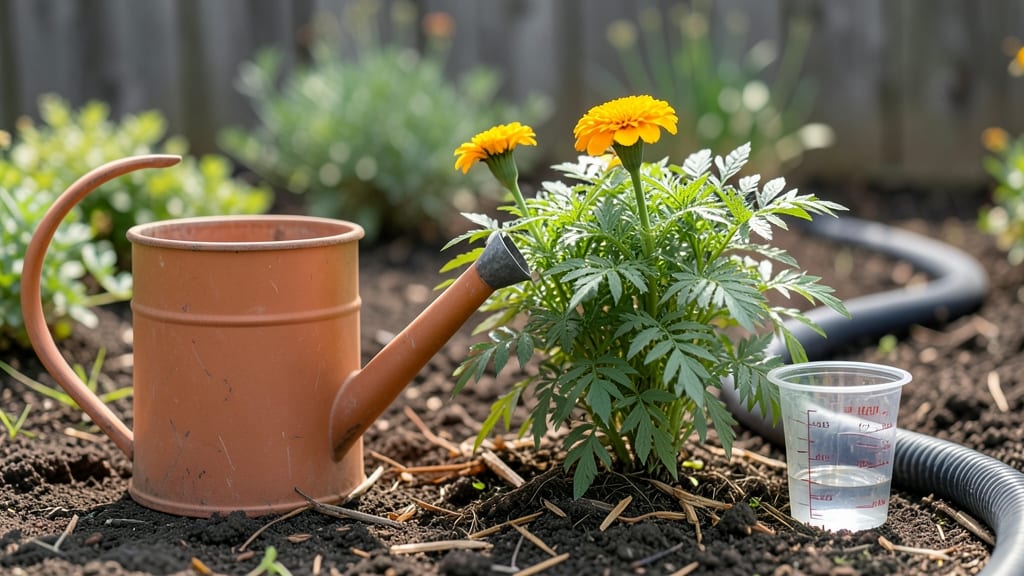
Mastering marigold water requirements is the key to keeping your 🌼 blooms vibrant all season long.
Struggling to keep your marigolds thriving? The secret isn’t just sunlight—it’s mastering their water needs. Overwater or underwater, and you’ll sacrifice those stunning orange and gold flowers. Here’s how to strike the perfect balance between drip irrigation and deep-soak methods for marigolds that thrive.
Marigolds need consistent moisture, but too much water can drown their roots while too little causes wilting. Understanding their water needs by season and soil type is crucial. In USDA Zone 6a, for example, summer heat demands more frequent watering than spring or fall.
Discover the ideal watering schedule, signs of overwatering vs. underwatering, and how to choose between drip irrigation and deep-soak methods. By the end, your marigolds will be blooming beautifully all season!
How often to water marigolds: the ideal frequency for healthy growth
Marigolds may seem low-maintenance, but their watering needs are the real secret to those bold, long-lasting blooms. Too much water causes root rot, while too little stresses plants into dropping buds.
The key? A consistent moisture schedule that adapts to your climate and soil. Let’s break down the science-backed approach to keep your marigolds thriving all season.
Marigolds thrive with 1 inch of water per week during their active growing months (spring and summer). However, this changes with soil type and seasonal conditions. Sandy soil drains quickly, while clay holds moisture longer.
Understanding these variables ensures you’re not over- or underwatering—both of which can stunt blooms or invite pests like aphids.
🌼 MARIGOLD WATER REQUIREMENTS SUMMARY
| Season | Water Frequency | Soil Type Adjustments | Signs of Overwatering | Signs of Underwatering |
|---|---|---|---|---|
| Spring | Every 3-4 days | Sandy: Daily check; Clay: Every 5 days | Yellowing leaves, mold | Drooping leaves, dry soil |
| Summer | Every 2-3 days | Sandy: Every 2 days; Clay: Every 4 days | Root rot, wilting | Crispy edges, buds dropping |
| Fall | Every 5-7 days | Sandy: Weekly; Clay: Every 10 days | Stunted growth, fungus | Slow wilting, dull blooms |
| Winter | Bi-weekly | Minimal water; let soil dry | Rotting stems, slimy soil | Dormant but brittle stems |
In spring, marigolds need frequent watering to establish roots, especially in sandy soil that drains too quickly. Aim for 1 inch of water every 3-4 days, but check soil moisture with your finger—if the top 1 inch feels dry, it’s time to water.
Mulching with straw or shredded leaves helps retain moisture and regulate soil temperature.
Summer is the most critical season for marigolds. With high temperatures and intense sunlight, they’ll need water every 2-3 days. The best time to water is early morning (between 6-9 AM) to reduce evaporation and fungal risks.
Avoid evening watering, as damp foliage invites diseases like powdery mildew.
As fall approaches, reduce watering to every 5-7 days. Marigolds slow their growth in cooler weather, and overwatering can lead to root rot. Look for dull, drooping leaves as a sign of overwatering, or crispy leaf edges if they’re thirsty.
Adjust based on your local rainfall—if it’s been raining, skip scheduled watering.
Winter care is minimal. Marigolds are drought-tolerant once established, so water bi-weekly or only when the soil feels completely dry. If you’re in a freezing climate, reduce watering further to prevent frost damage to roots. Container-grown marigolds dry out faster, so check them every 5-7 days even in winter.
One of the biggest mistakes gardeners make is watering on a schedule without checking soil conditions. Always test soil moisture before watering—stick your finger 1 inch deep.
If it’s dry, water thoroughly; if it’s damp, wait another day. This simple habit prevents overwatering-related diseases and ensures your marigolds stay vibrant.
Signs of overwatering include yellowing leaves, mold on soil, and wilting despite wet soil. For underwatering, watch for crispy leaf edges, buds dropping before opening, and soil pulling away from pot edges. Adjust your watering immediately—marigolds are resilient but won’t recover quickly from extreme moisture stress.
Pro tip: Use a moisture meter or the "squeeze test" for containers. Gently squeeze the soil—if it holds its shape, it’s too wet; if it crumbles, it’s time to water. This method works for both in-ground and
Drip irrigation vs deep soak: which watering method wins for marigolds?
Choosing the right watering method for your marigolds can mean the difference between vibrant blooms and wilted disappointment. Both drip irrigation and deep soak methods work, but they serve different needs.
Drip systems deliver water slowly at the roots, while deep soak encourages strong root systems by saturating the soil thoroughly. Let’s break down which method suits your marigold garden best.
Marigolds thrive with consistent moisture, but they hate soggy roots. Drip irrigation is ideal for keeping soil evenly moist without wetting the foliage, which reduces fungal diseases.
Meanwhile, deep soak methods—like watering until water drains out the bottom of containers—promote deeper root growth, making plants more resilient during dry spells. Your choice depends on your setup and climate.
Drip Irrigation vs Deep Soak for Marigolds
- ✅ Consistent moisture for steady growth
- ✅ Reduces fungal risk by avoiding wet foliage
- ✅ Ideal for in-ground or large plantings
- ✅ Automatable for hands-off care
- ✅ Encourages deep roots for drought resilience
- ✅ Better for containers and small gardens
- ✅ Simpler setup with no equipment needed
- ✅ Improves soil aeration over time
- ❌ Requires setup and maintenance
- ❌ Less effective for containers without emitters
- ❌ Overhead risk if not properly installed
- ❌ Time-consuming for large gardens
- ❌ Risk of overwatering if not monitored
- ❌ Less consistent moisture for fast-growing plants
For in-ground marigolds, drip irrigation is my top pick. It delivers water directly to the roots, keeping the soil evenly moist without wasting water. Install a simple soaker hose along rows or use drip emitters spaced 12-18 inches apart.
This method is especially useful in hot climates where evaporation is high.
If you’re growing marigolds in containers, deep soak is the way to go. Water thoroughly until it drains from the bottom, then let the top inch of soil dry out before watering again.
This mimics natural rainfall and prevents root rot. For containers, I recommend watering in the early morning to reduce evaporation and fungal growth.
Seasonal adjustments matter too. During summer heat, increase watering frequency—drip systems can run on timers, while deep soak may require daily checks. In fall or spring, reduce watering to every 5-7 days as growth slows.
Always check soil moisture by sticking your finger 1-2 inches deep; if it’s dry, it’s time to water.
Pro tip: Combine both methods for the best results. Use drip irrigation for large beds and deep soak for containers or newly planted marigolds. The key is consistency—whether you choose drip or deep soak, keep your marigolds evenly moist without waterlogging for those show-stopping blooms all season.