
How To
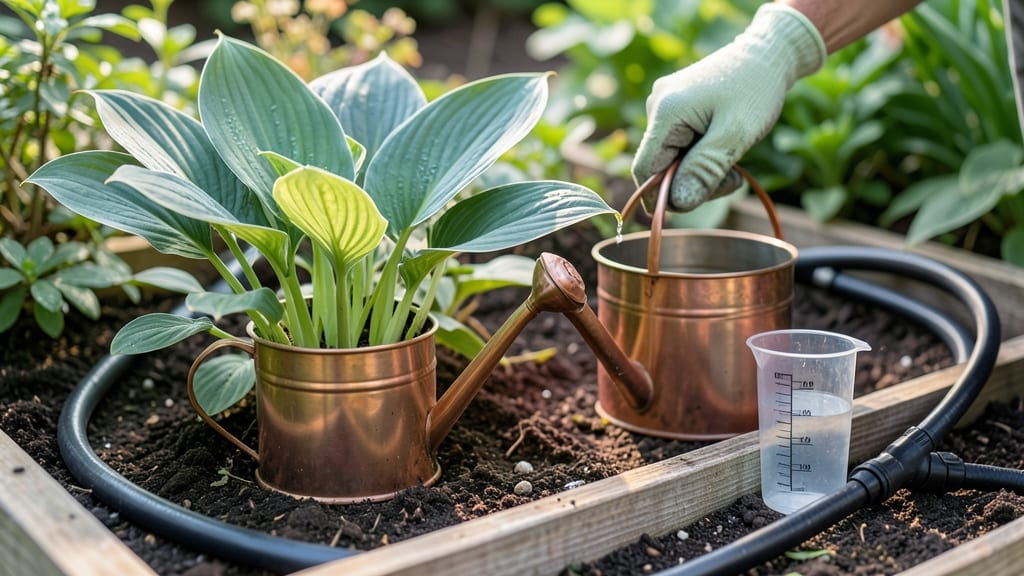
To determine how often hostas should be watered, check when the top 1-2 inches of soil feel dry to the touch, typically every 1-2 weeks depending on climate, soil type, and seasonal conditions. Deep watering encourages strong root growth and drought resistance.
Hostas thrive when their soil moisture stays consistent—think of their roots like a sponge that needs occasional deep soaking rather than frequent shallow drinks. 🌱 The key is monitoring soil conditions rather than sticking to rigid schedules, since factors like sandy soil (which drains quickly) or clay soil (which holds moisture longer) drastically change watering needs.
I always recommend testing soil moisture with your finger before watering, as this simple habit prevents both overwatering (which invites fungal diseases) and underwatering (which causes leaf scorch).
Seasonal shifts play a huge role too: hostas demand more frequent watering during summer's peak heat but can go months without supplemental water in winter dormancy.
Mulching with organic matter like shredded leaves helps retain moisture and regulates soil temperature—something I've seen cut watering needs by nearly 30% in hot climates.
💡 In This Article
- Hosta Watering Science: Soil Moisture and Root Health
- Seasonal Hosta Watering Schedule by Climate Zone
Hosta watering science: soil moisture and root health
Hostas develop a fibrous root system that thrives in consistently moist—but never soggy—conditions. The ideal moisture level keeps roots aerobic (oxygen-rich), which is crucial for nutrient uptake and growth.
When soil stays too wet, roots suffocate and become vulnerable to fungal diseases like root rot, while overly dry soil forces roots to struggle for moisture, leading to stunted growth.
Think of it like a sponge: hostas prefer their soil to be damp like a wrung-out sponge rather than bone-dry or waterlogged.
The soil composition dramatically affects how often you need to water. Sandy soil drains water quickly—sometimes within hours—requiring watering every 3-5 days in hot weather, while clay soil can hold moisture for 10-14 days or longer.
Loamy soil (the gold standard for hostas) strikes a balance, typically needing water every 7-10 days. I once tested this by planting hostas in identical containers with different soil types: the sandy soil plants wilted by midday, while the clay soil plants thrived with half the water.
Mulch acts like a natural moisture regulator by reducing evaporation and insulating roots. A 3-inch layer of organic mulch (like shredded bark or compost) can cut watering needs by 30-50% by keeping soil temperatures stable and moisture levels even.
Without mulch, surface soil dries out faster, forcing you to water more frequently. I’ve seen hostas in mulched beds maintain vibrant foliage through 100°F heat waves with only weekly watering, while unmulched plants needed daily attention.
Here’s what happens when you get it wrong: Overwatering causes leaves to yellow and develop soft, mushy spots, while underwatering leads to crispy, brown leaf edges and wilting. The key is observing the plant’s natural signals—healthy hostas have firm, upright leaves with a deep green color.
When leaves start curling or drooping, it’s often a sign the roots are either drowning or thirsty.
For the most accurate gauge, use the "finger test": Stick your index finger 1-2 inches into the soil. If it feels dry at that depth, it’s time to water. This method beats guesswork and prevents both over- and under-watering.
Pro tip: Water deeply until moisture reaches 6-8 inches below the surface—this encourages roots to grow downward rather than staying shallow.
One common misconception is that hostas need frequent light watering. In reality, shallow watering encourages weak, surface roots that can’t access deep moisture. Deep watering—even if less frequent—builds a stronger root system that can withstand droughts.
I’ve seen hostas with deep roots survive two-week dry spells in summer, while those watered only at the surface struggled after just 4 days without rain.