
How To
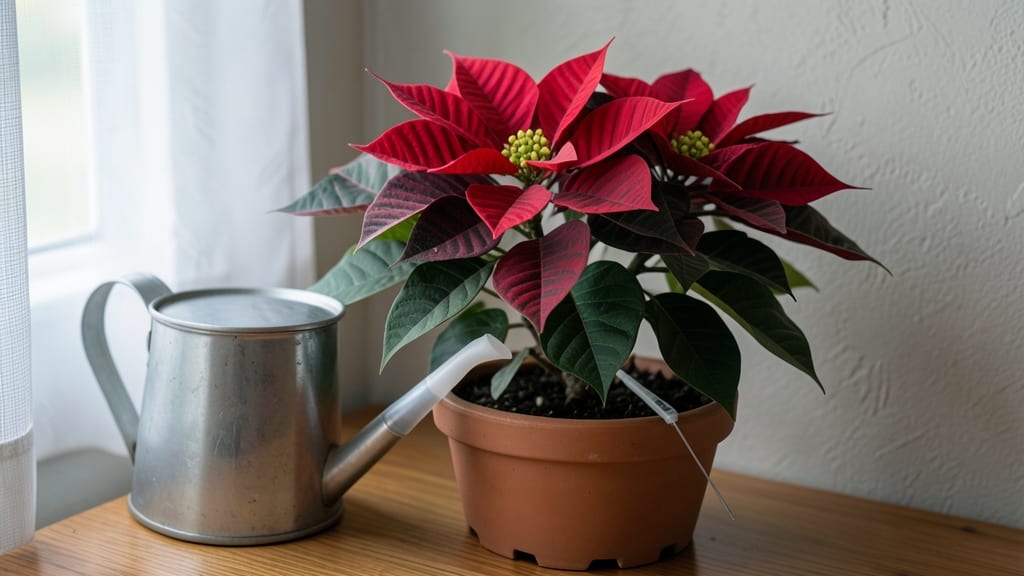
Wondering how often should poinsettias be watered? The answer is simple: water them when the top 1-2 inches of soil feel dry to the touch—this schedule prevents both root rot and wilting.
Struggling to keep your poinsettias vibrant year-round? Overwatering or underwatering can turn your holiday favorite into a sad, droopy mess—here’s the science-backed watering schedule that guarantees lush, healthy growth without root rot.
Poinsettias 🎄 are finicky about moisture, especially in winter when their growth slows. Too much water drowns their roots, while too little causes leaves to crisp at the edges. The key is checking soil moisture before watering—no guesswork, just a simple finger test.
In this guide, I’ll break down the exact watering frequency for each season, how to spot over- or under-watering, and pro tips for adjusting based on your home’s humidity and pot size. By the end, your poinsettias will stay perky, colorful, and ready to steal the show every year.
The ideal poinsettia watering schedule by season (with soil moisture tests)
Mastering your poinsettia watering schedule is the secret to keeping these festive plants thriving year-round. Unlike seasonal outdoor plants, poinsettias demand seasonal adjustments that match their indoor environment. Too much water causes root rot, while too little leads to crispy leaves—neither of which you want during the holidays.
The key? Understanding soil moisture tests and seasonal humidity shifts.
Poinsettias are tropical plants that love moisture but hate soggy roots. In summer heat, they drink more water, while winter dryness from indoor heating means you’ll water less. Your pot size also plays a role: smaller pots dry out faster than large containers.
Let’s break down the exact watering schedule by season, plus how to test soil moisture like a pro.
Start with spring watering when your poinsettia wakes from its winter dormancy. Water every 5-7 days and check the top 1-2 inches of soil—if it feels dry to the touch, it’s time to water. Use your finger to test: push it into the soil.
If it comes out clean, water deeply until it drains from the pot’s bottom. Spring humidity is usually moderate, but if your home feels dry (especially near heat vents), increase water slightly.
Summer brings the most frequent watering due to higher temperatures and active growth. Water every 3-5 days and reduce to every 5-7 days if your home stays above 60% humidity. Overwatering in summer is a common mistake—yellow leaves or mushy stems signal you’re drowning your plant.
Always let excess water drain away completely to prevent root rot. Place your poinsettia in a spot with bright, indirect light to encourage healthy growth.
As fall approaches, your poinsettia’s water needs decrease. Reduce watering to every 7-10 days and let the top 2 inches of soil dry out between waterings. This is when you’ll start seeing those vibrant holiday bracts develop—don’t interrupt their growth with overwatering.
Watch for dry air from indoor heating systems, which can dehydrate the plant faster. A quick fix? Group plants together or use a pebble tray with water to boost humidity.
Winter is the dormant season for poinsettias, meaning they need the least water. Water every 10-14 days and let the top 2-3 inches of soil dry out completely.
If your home has low humidity (common with central heating), consider using a humidifier or placing the pot on a tray of moist pebbles. Avoid cold drafts, like near windows or doors, which can stress the plant.
This is also the time to prune your poinsettia to encourage bushier growth next season.
Your pot size directly impacts watering frequency. Smaller pots dry out faster, so check soil moisture daily in winter if your poinsettia is in a 6-inch container. Larger pots (10+ inches) hold moisture longer, so you can stretch watering to every 2 weeks in winter.
Always use a pot with drainage holes to prevent waterlogging. If your pot lacks drainage, water sparingly and use a well-draining potting mix designed for tropical plants.
Pro tip: Use the finger test for precise watering. Stick your finger into the soil—if it feels damp 1 inch down, wait another day. If it’s bone dry, water thoroughly.
Overwatering is the #1 killer of poinsettias, so when in doubt, underwater slightly. Your plant will thank you with lush, vibrant bracts that last through the holidays and beyond.
Remember, humidity levels change with the seasons. In winter, indoor heating can drop humidity to 20-30%, while summer air conditioning might keep it high. Adjust your water
5 Signs your poinsettia is thirsty (or drowned) and how to fix it
Your poinsettia’s leaves speak volumes about its water needs—wilting or yellowing are red flags you can’t ignore. The difference between underwatering and overwatering often comes down to soil texture and leaf condition.
For example, crispy leaf edges mean thirsty roots, while mushy stems signal root rot from too much love. Let’s decode these signs and save your plant with targeted fixes.
First, check the soil moisture before diagnosing. Stick your finger 1-2 inches deep—if it’s bone dry, your poinsettia is thirsty. But if the soil feels soggy and smells musty, you’re drowning it. Both extremes stress the plant, but the fixes couldn’t be more different.
The key is acting fast: underwatered poinsettias recover in days with proper hydration, while overwatered ones may need weeks to bounce back—or worse, won’t recover at all.
How Often Should Poinsettias Be Watered?
✅ Pros of Proper Watering
- 🌱 Lush bracts all season
- 💧 Healthy root growth
- 🌡️ Balanced humidity for tropical plants
❌ Cons of Over/Underwatering
- 🍂 Yellow leaves (overwatering)
- 🪴 Mushy stems (root rot)
- 🌵 Crispy edges (underwatering)
- ❄️ Stunted growth (stress)
💡 Pro Tip
Use a moisture meter for accuracy—no more guessing! Aim for 50-60% soil moisture in summer, 40% in winter.
For underwatered poinsettias, the fix is simple: water deeply until it drains from the pot’s bottom. Place the plant in a shallow tray of water for 10-15 minutes to rehydrate roots gently. Afterward, reduce watering slightly to prevent shock—your goal is to replenish moisture, not drown it.
Pair this with a humidity boost: mist the leaves lightly or place a pebble tray with water nearby. Within 2-3 days, you’ll see leaves perk up and regain their vibrant color.
If your poinsettia shows signs of overwatering, act immediately. Remove it from its pot and inspect the roots—healthy roots are firm and white, while rotten roots are mushy and brown. Trim away any damaged roots with sterilized scissors, then repot in fresh, well-draining soil.
Water sparingly for the next week, only when the top 2 inches feel dry. Avoid placing it back in a tray or saucer until it’s fully recovered. Overwatered poinsettias often need extra light to bounce back, so move it to a bright, indirect spot.
Prevent future watering woes by adjusting your routine based on your home’s humidity levels. In winter, indoor heating can drop humidity to 20-30%, tricking you into overwatering. Use a humidifier or group plants together to raise humidity naturally.
In summer, high humidity might mean you can water less frequently. Always check the soil before watering—this simple habit saves more poinsettias than any other tip.
Remember, poinsettias are tropical plants that thrive on consistency. Stick to your seasonal watering schedule (spring: every 5-7 days; winter: every 10-14 days) and adjust only when you notice changes in leaf color or soil texture.
With these fixes, your poinsettia will stay perky, colorful, and ready to shine every holiday season.