
How To
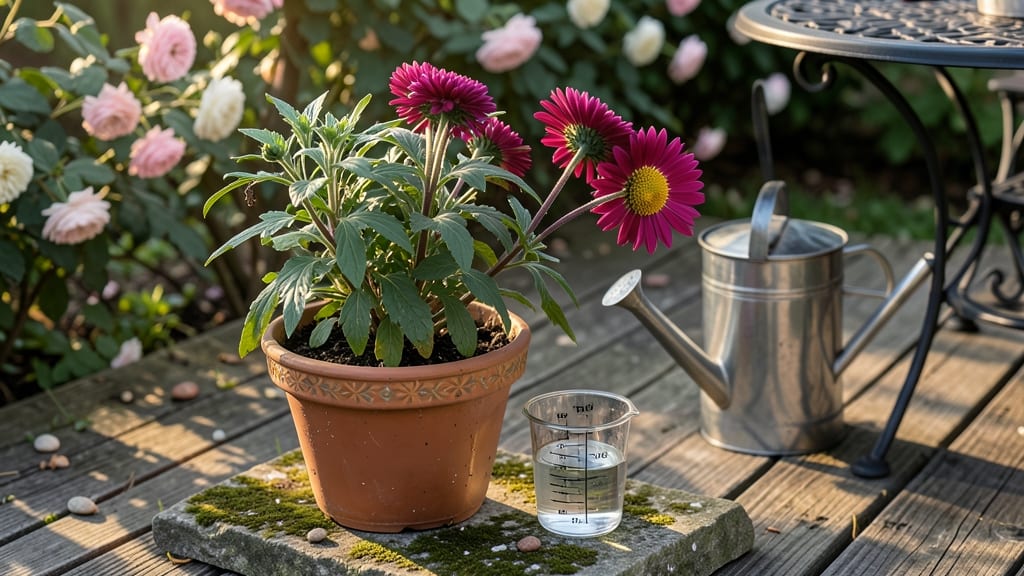
To keep your potted mums thriving, how often should potted mums be watered when the top inch of soil feels dry to the touch—a schedule that changes with seasons, pot size, and even your local climate.
Potted mums are a gardener’s showstopper—but overwatering or neglecting them can turn their vibrant blooms into a sad, wilted mess. The key to keeping them thriving lies in understanding their unique watering needs, which aren’t as straightforward as you might think.
Most gardeners assume a simple "every few days" rule works, but that’s where problems start. A 5-gallon pot in summer heat may need watering daily, while the same plant in winter might only need a drink every 10 days.
The difference? Soil type, humidity, and whether your mums are basking in full sun or sitting in shade.
Below, I’ll break down the top 3 signs your mums need water (without overdoing it), seasonal adjustments that save lives, and how to fix common mistakes before they turn your plants into a mushy disaster.
3 Clear signs your potted mums need water (and when to hold off)
Potted mums are stunning additions to patios and porches, but their watering needs can be tricky. Unlike in-ground plants, they dry out faster, and their roots are confined to a small space. Overwatering leads to root rot, while underwatering causes droopy leaves and stunted blooms.
The key is learning to read your plant’s signals—because mums don’t come with a water gauge!
Instead of guessing, use these three foolproof methods to check moisture levels: the finger test, pot weight, and leaf condition. Each gives you a different clue about whether your mums are thirsty or drowning.
Let’s break down what to look for so you can keep those blooms vibrant and healthy.
- 🌱 Summer Heat: Every 1-2 days (small pots dry out faster)
- 🌿 Spring/Fall: Every 2-3 days (moderate moisture needed)
- ❄️ Winter: Every 7-10 days (dormant plants need less)
- 🪴 Large Pots: Every 3-4 days (more soil = slower drying)
- ☀️ Full Sun: Daily checks (evaporation speeds up)
First up: the finger test. Stick your index finger about 1-2 inches into the soil. If it feels dry at that depth, it’s time to water.
Pro tip: Use your middle finger for deeper pots—aim for 2-3 inches down. The soil should feel slightly moist, like a wrung-out sponge, not bone-dry or muddy.
Next, pick up your pot. A well-watered mum feels heavy and stable, while a thirsty one feels surprisingly light. This trick works best for terracotta pots, which dry out faster than plastic.
If your pot is lightweight, give it a drink—even if the topsoil looks damp, roots deeper down may be parched.
Finally, check the leaves and stems. Drooping or crispy foliage signals underwatering, while yellowing leaves or mushy stems mean overwatering. Healthy mums have firm, upright leaves with a slight sheen. If you spot brown edges or wilted blooms, adjust your watering routine immediately.
One common mistake? Watering based on a schedule instead of the plant’s needs. Seasonal changes drastically alter how often mums need water. In summer heat, they may need daily hydration, while winter dormancy reduces their needs to every 7-10 days.
Always pair these signs with your climate to avoid guesswork.
For extra precision, group pots together on a drip tray to catch runoff. This helps you monitor drainage and ensures roots aren’t sitting in water. If water pools for more than 10 minutes, your mum is getting too much—time to let the soil dry slightly before the next watering.
Remember, consistency is key. Mums hate moisture swings, so aim for even soil dampness rather than sporadic deep soaks. With these signs as your guide, you’ll keep your potted mums blooming beautifully all season long.
Now that you know what to watch for, grab your watering can and give those mums the perfect drink. Your efforts will be rewarded with vibrant blooms that steal the show! 🌼
Best watering schedule for potted mums: seasonal adjustments that save lives
Seasonal changes drastically alter your potted mums' watering needs, and ignoring these shifts can mean the difference between lush blooms and wilted disappointment. While summer heat demands daily attention, winter dormancy reduces needs to just once every 10 days.
The key is adapting your routine to match your local climate, pot size, and soil type—because what works for a 5-gallon terracotta pot in Arizona won't cut it for a 10-gallon plastic container in Seattle.
Let's cut through the confusion with a science-backed approach. Potted mums thrive on consistent moisture, but their roots suffocate in soggy soil. The solution? A watering schedule that evolves with the seasons while accounting for your specific growing conditions.
Below, I'll show you exactly how to adjust your routine month by month, plus pro tips to prevent common pitfalls that turn vibrant mums into sad, droopy specimens.
| Season | Watering Frequency | Key Factors | Pro Tip |
|---|---|---|---|
| Spring (March-May) | Every 2-3 days | Moderate temps, increasing sunlight | Increase frequency as temps rise above 70°F |
| Summer (June-August) | Daily or every other day | High heat, rapid evaporation | Water in early morning to prevent fungal growth |
| Fall (September-November) | Every 2-4 days | Cooling temps, shorter days | Reduce watering as nights grow cooler |
| Winter (December-February) | Every 7-10 days | Dormant growth, cold temps | Check soil moisture before watering |
Spring is your transition season, where mums shift from winter dormancy to active growth. Start with every 2-3 days but watch for signs of thirst like wilting leaves.
As temperatures climb above 70°F, increase to daily watering for small pots. Pro move: Group pots together to create a microclimate that retains moisture longer.
Summer demands your closest attention. With high heat and full sun, potted mums can dry out in just 12 hours. The secret? Watering in the early morning prevents fungal diseases that thrive in damp foliage.
For extra protection, mulch with 1-2 inches of straw to slow evaporation and keep roots cool.
Fall brings welcome relief as cooler temps reduce watering needs. By October, most mums need watering every 3-4 days unless you're in a particularly dry climate. This is also when you should reduce fertilizer to harden off plants for winter dormancy—overfeeding leads to tender growth that freezes easily.
Winter care is where most gardeners go wrong. Many assume dormant plants don't need water, but complete dryness stresses roots. Instead, check soil moisture every 7-10 days and water lightly—just enough to keep soil from becoming bone dry. Move pots to protected locations if freezing temps are forecasted.
Remember, these are guidelines—not rules. Always pair them with the finger test from Section 1. If your mums show signs of stress despite following this schedule, adjust immediately.
The goal is consistent moisture, not rigid timing. With these seasonal adjustments, your potted mums will reward you with bold blooms from spring through fall! 🌼