
Plants
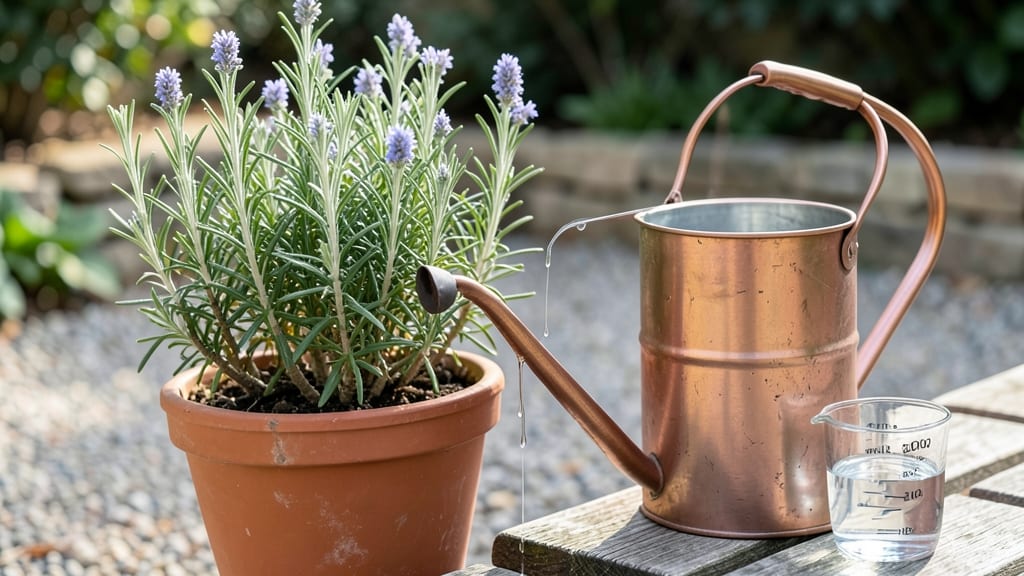
Watering a rosemary plant should follow its Mediterranean roots—deep soaks every 2–3 weeks when the soil is bone-dry, not on a fixed schedule.
Overwatering your rosemary plant is the fastest way to kill it—yet many gardeners drown these drought-loving herbs in well-intentioned (but deadly) excess moisture. The secret to thriving rosemary lies in a simple soil test and a watering schedule that mimics its natural habitat.
In Zone 6a, where spring planting begins in March, rosemary thrives with minimal water once established. The key is letting the top 2 inches of soil dry out completely before watering again—this prevents root rot and encourages strong growth.
Below, I’ll break down the exact watering frequency by season, how to test soil moisture without guesswork, and the best containers to reduce overwatering risks. Your rosemary will reward you with fragrant, lush foliage in no time.
The correct rosemary watering schedule by season (with soil test guide)
Rosemary thrives on neglect—literally! This hardy Mediterranean herb evolved to survive dry, rocky soils where rainfall is sparse. Yet, overwatering kills rosemary faster than underwatering ever could. The key? A seasonal watering schedule paired with a simple soil dry test to mimic its natural habitat.
I’ve learned the hard way that rosemary roots rot in soggy soil within days, while dry conditions strengthen its drought resistance. The solution? Water only when the top 2-3 inches of soil feel bone-dry—no exceptions.
Let’s break down exactly how often to water your rosemary in every season, plus the foolproof finger-test method to avoid guesswork.
🌱 Pro Tip: Rosemary in containers dries out faster than in-ground plants. Adjust your schedule accordingly—potted rosemary may need water every 5-7 days in summer, while garden beds can stretch to every 2-3 weeks.
Now, let’s master the finger-test method—the only way to know for sure when your rosemary needs water. Stick your index finger 2-3 inches deep into the soil.
If it feels completely dry (like sandpaper), it’s time to water. If even the top inch feels damp, wait 2-3 more days.
I’ve seen gardeners double their rosemary’s lifespan simply by switching to this method. The trick? Water deeply but infrequently. When you do water, soak the soil until it runs out the drainage holes (for potted plants) or seeps 6 inches deep in garden beds.
This encourages deep root growth, making your rosemary even more drought-resistant.
Watch for these red flags that you’re overwatering: yellowing needles, mushy stems, or leaves that crunch when touched. These are emergency signals—stop watering immediately and let the soil dry out. On the flip side, needles curling inward or a woody, brittle appearance means it’s time to hydrate.
Container size matters too! A 6-inch pot may need water every 5-7 days in summer, while a 12-inch pot can stretch to every 10-14 days. The larger the container, the more time soil takes to dry. Terracotta pots dry out faster than plastic, so adjust accordingly.
For outdoor rosemary in garden beds, mulch with gravel or coarse sand to improve drainage and reduce evaporation. This mimics rosemary’s natural rocky soil and cuts watering needs by up to 30%. In USDA zones 8-10, rosemary may even survive on rainwater alone once established.
Remember: Rosemary’s thirst decreases with age. A 3-year-old plant in full sun needs half the water of a young cutting. The older your rosemary, the more it self-regulates—trust the soil test and let nature take its course.
Your rosemary will reward you with fragrant, bushy growth and year-round harvests when you follow this schedule. The less you water (within reason), the hardier and more aromatic your plant becomes. Happy growing!
5 Signs your rosemary is overwatered (and how to fix it fast)
Your rosemary plant might be begging for help if you’ve been watering it like a thirsty succulent instead of a Mediterranean native. Overwatering causes more rosemary deaths than pests or diseases combined, and the symptoms often appear suddenly.
Even with well-draining soil and full sun exposure, too much water leads to root rot, yellowing leaves, and a sad, wilted appearance. The good news? Recognizing these 5 warning signs early gives you time to rescue your plant before it’s too late.
⚠️ How Often Should You Water a Rosemary Plant?
Mature rosemary: Every 2–3 weeks (when soil is completely dry). Young plants: Weekly (first 3 months). Containers: Every 5–7 days (soil dries faster). Outdoors: Every 10–14 days (deep watering). Never water on a fixed schedule—always check soil moisture first!
First, watch for yellowing leaves, especially on the lower stems. Unlike nutrient deficiencies, overwatered rosemary turns yellow even when the soil seems dry—this is a red flag for root stress. The yellowing often starts between the veins and spreads quickly if moisture issues persist.
Next, check the stems and soil for sogginess. Mushy stems or a foul, musty smell when you lift the plant are clear signs of root rot.
Healthy rosemary stems should feel firm and woody, never squishy. If you see black or brown discoloration at the base, your plant is already in trouble.
Another dead giveaway is wilting despite water. Unlike underwatered rosemary, which wilts to conserve moisture, an overwatered plant stays limp even after drinking. This happens because the roots can’t absorb oxygen, causing cellular collapse. Act fast—trim affected leaves and adjust your watering routine immediately.
To fix overwatered rosemary, start by stopping all water for at least 3–5 days. Let the soil dry out completely, then repot your plant in fresh, fast-draining soil mixed with perlite or sand. Trim any mushy or blackened stems with clean, sharp sterilized scissors to prevent fungal spread.
Once recovered, adjust your watering habits. Stick to the finger test: Insert your index finger 2 inches into the soil. If it feels dry, water deeply—if it’s still moist, wait another week. For containers, use pots with drainage holes and terracotta to wick away excess moisture.