
How To
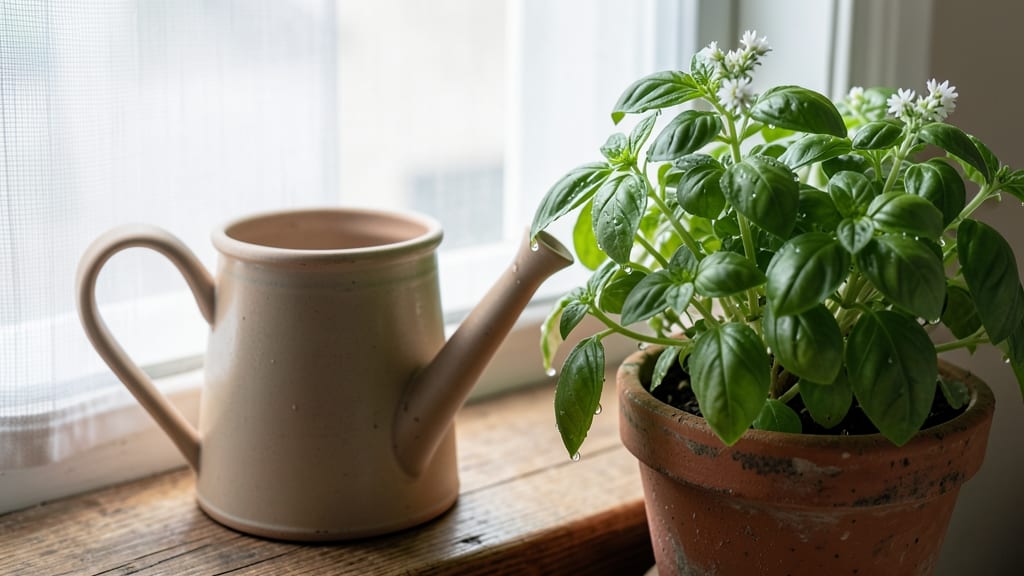
Watering basil plants the right way means checking soil moisture every 1-2 days—daily in summer, less in cooler months—to keep those leaves lush and fragrant.
Picture this: you’ve just planted your 🌿 basil, eager for fresh pesto, only to watch it wilt or develop yellow leaves. That’s the classic watering mistake—too much or too little—and it’s easier to fix than you think.
Basil thrives on consistency, but its needs shift with the seasons. In 6a zones like mine, summer heat demands daily watering, while spring and fall slow down to every other day. The key? Stick your finger in the soil—if the top inch feels dry, it’s time to water.
Below, I’ll walk you through the exact routine—when to water, how much, and how to spot the signs before your basil throws in the towel. Trust me, your next harvest will taste like a pro’s.
The ideal watering frequency for basil plants by season
Basil thrives on consistent moisture, but its needs shift dramatically with seasonal changes and growing conditions. In summer heat, I water my basil daily—sometimes twice a day—while in winter dormancy, I reduce it to once every 7-10 days.
The key is balancing soil moisture with environmental factors like humidity and temperature to avoid both root rot and wilting leaves.
Container-grown basil dries out faster than in-ground plants because pots lack moisture retention. My potted basil needs watering every 1-2 days in summer, while in-ground basil can stretch to every 2-3 days.
Always check the top 1-2 inches of soil—if it’s dry, it’s time to water. For humid climates, I water slightly less frequently since moisture lingers longer in the air.
| Season | Container Basil | In-Ground Basil | Key Factors |
|---|---|---|---|
| Spring | Every 1-2 days | Every 2-3 days | Moderate temps, increasing sunlight |
| Summer | Daily (morning + evening) | Every 1-2 days | High heat, low humidity |
| Fall | Every 2-3 days | Every 3-4 days | Cooler temps, shorter days |
| Winter | Every 7-10 days | Every 10-14 days | Dormant growth, low light |
During peak summer months, I adjust my watering based on temperature and humidity. When thermometers hit 90°F+, I water my container basil in the early morning and late afternoon to prevent evaporation loss.
For in-ground plants, a deep watering every 1-2 days ensures roots stay hydrated without soggy soil. Always water at the base of the plant to avoid wetting leaves, which can lead to fungal diseases like downy mildew.
In spring and fall, basil’s water needs moderate gradually as temperatures rise or drop. I start with every 2-3 days in spring, then increase to daily by June. For fall, I taper back to every 3-4 days as nights grow cooler.
A simple soil moisture test—stick your finger 1 inch deep—tells me when to water. If it feels dry, it’s time; if damp, wait another day.
Winter care is all about minimal intervention. My indoor basil gets watered every 7-10 days, while outdoor plants in mild climates may need bi-weekly watering. Reduce watering further if your basil is dormant or in a cool, shaded spot.
Overwatering in winter is a common mistake—root rot thrives in cold, wet soil, so I always let the top 2 inches dry out before watering again.
For container basil, I’ve found that terracotta pots dry out faster than plastic, so I water them more frequently. If your basil is in a large container (12+ inches), roots have more space to access moisture, so you can stretch watering to every 2-3 days in summer.
Always use pots with drainage holes—stagnant water is basil’s worst enemy. Mulching around containers helps retain moisture and keeps roots cool.
Watch for environmental clues to fine-tune your watering schedule. On windy days, I water more often since wind speeds up evaporation. In humid climates, I reduce frequency because moisture lingers in the air.
If your basil’s leaves curl slightly by midday, it’s often a sign of thirst—a quick drink of water usually revives them. But if leaves wilt permanently or turn yellow and crispy, you’ve likely underwatered.
Overwatering is just as damaging as underwatering.
Signs your basil needs water (and when to hold back)
Basil thrives on consistent moisture, but telling when it’s thirsty takes practice. Wilting leaves are the most obvious sign, but they’re not the only clue. Your basil’s soil, leaf color, and even root health can reveal its true hydration needs.
Understanding these visual and tactile cues will help you avoid both underwatering and overwatering—two mistakes that kill flavor and growth.
First, check the soil moisture by sticking your finger about 1 inch deep. If it feels dry, your basil needs water. But if it’s damp or soggy, hold off. Leaf texture also matters: crisp, vibrant leaves mean happy basil, while limp or yellowing leaves signal stress.
The key is balancing these cues with your basil’s environment—container plants dry faster than in-ground varieties, and summer heat increases evaporation.
⚠️ WARNING: Overwatering vs. Underwatering ⚠️
🚨 How Often to Water Basil Plant
Overwatering causes yellowing leaves, mushy stems, and root rot—often seen as black or brown spots on roots. Underwatering, on the other hand, leads to crispy edges, drooping leaves, and a stunted growth pattern. Both issues can be fatal if ignored.
Pro Tip: Basil prefers moist but well-draining soil. If you’re unsure, the finger test is foolproof: insert your finger into the soil. If it feels like a slightly damp sponge, water only if needed. If it’s bone-dry, it’s time to hydrate.
💧 Key Rule: Water when the top 1 inch of soil is dry—adjust for climate and container size.
Pay close attention to leaf color changes, which are a direct reflection of your basil’s hydration status. Dark green leaves with a glossy sheen indicate optimal moisture, while pale or grayish leaves scream for water. Brown tips or edges often mean underwatering, but they can also signal fluoride buildup from tap water—so test your water if this persists.
For container-grown basil, check the weight of the pot: a lighter pot usually means it’s time to water.
Root health is the ultimate litmus test. Healthy roots are white or light tan, while rotten roots appear black, mushy, and smell foul. If you suspect root rot, stop watering immediately and repot your basil in fresh, dry soil.
For underwatered plants, soak the roots in room-temperature water for 10-15 minutes to revive them. This gentle reset can save a struggling basil plant and restore its vigor.
Seasonal adjustments are critical. In summer’s heat, basil may need watering daily or every other day, while winter slows growth, reducing water needs to once a week or bi-weekly.
Always water at the base of the plant to avoid wetting leaves, which can lead to fungal diseases. Mulching with straw or shredded leaves helps retain moisture and regulate soil temperature, reducing the frequency of watering needed.
Remember, basil’s flavor peaks when it’s slightly thirsty but not stressed. A morning watering routine ensures leaves have time to dry before evening, preventing mold. If your basil starts flowering, it’s a sign of stress or overmaturity—often linked to inconsistent watering.
Pinch off flowers to redirect energy to leaf production and maintain that fresh, aromatic profile we all love.