
Watering
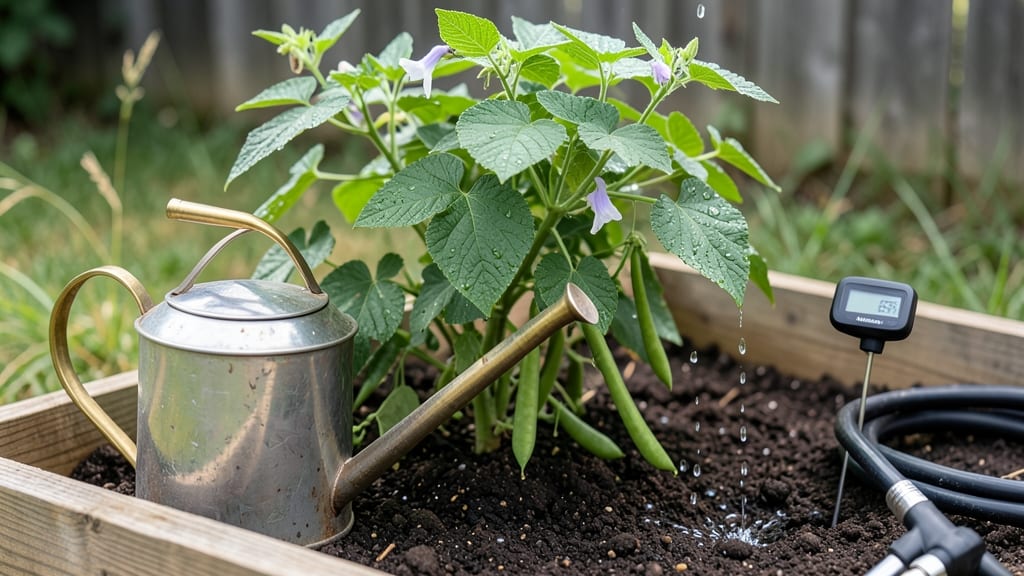
Watering beans the right way—how often to water beans—is all about keeping the soil damp but never soggy, which means skipping the guesswork and checking instead.
Overwatering beans can drown their roots while underwatering stunts growth—so how do you strike the perfect balance? Mastering the soil dry test and watering schedule transforms your bean plants from struggling to thriving in just weeks.
Most gardeners water beans every 2-3 days in spring, but that changes when the heat hits or your plants start flowering. Below, I’ll walk you through the exact soil test, stage-by-stage watering tips, and the five signs you’re doing it wrong.
By the end, you’ll know exactly when to water—no more wilting vines or wasted effort. Let’s get started.
The exact soil dry test for watering beans (with depth guide)
Beans need consistent moisture to grow strong, but too much water can suffocate their roots. The soil dry test is my go-to method to determine when to water—it’s simple, accurate, and works for both bush beans and pole beans.
The key? Checking moisture at the right depth, which changes as your plants mature.
For young seedlings, test the top 1-2 inches of soil. As plants grow and develop deeper roots, check 2-3 inches down. This ensures water reaches where the roots are actively growing, preventing stress or rot.
Climate also plays a role—hotter zones may need more frequent checks than cooler ones.
Here’s how I perform the test every time: I stick my finger into the soil near the plant’s base (not touching the stem) and gauge moisture. If it feels dry, it’s time to water.
If it’s damp, wait another day. This method saves me from overwatering mistakes that can lead to root rot or underwatering that stunts growth.
How to Perform the Soil Dry Test for Beans
- Step 1: Choose the right time—morning is best to avoid evening dampness.
- Step 2: For seedlings, test 1-2 inches deep; for mature plants, go 2-3 inches deep.
- Step 3: Insert your finger or a moisture meter into the soil near the plant’s base.
- Step 4: If soil feels dry and crumbly, water immediately. If it’s damp or sticky, wait 24 hours.
- Step 5: Water deeply until moisture reaches 6-8 inches down to encourage deep root growth.
Adjust your watering schedule based on your climate zone. In USDA Zone 9 or hotter, I water beans every 1-2 days because the soil dries out faster.
In cooler zones like Zone 5, every 2-3 days works well. Always water in the early morning to reduce fungal risks and let foliage dry quickly.
Container-grown beans dry out faster than in-ground plants, so I check their soil daily in summer. If the top inch feels dry, it’s time to water. For in-ground beans, a 2-inch dry test is usually sufficient.
Mulching with straw or grass clippings helps retain moisture and keeps roots cool, reducing how often I need to water.
Pay attention to your beans’ leaves and stems—they’re the first to show signs of water stress. Wilted leaves or yellowing foliage often mean it’s time to water, while mushy stems or gray mold signal overwatering.
By mastering the soil dry test, I’ve seen my bean plants grow 20-30% faster with fewer problems.
Pro tip: Keep a small notebook nearby to track your watering schedule. Note when you water and how the soil felt—this helps you fine-tune your approach over time.
For example, I noticed my pole beans in containers needed water 30% more often than my in-ground bush beans, even in the same heatwave.
Remember, beans hate soggy soil but also can’t handle drought. The soil dry test is your best friend for striking that perfect balance. With this method, you’ll avoid the guesswork and give your beans the ideal moisture conditions they crave.
Start testing your soil today—your bean plants will thank you with bigger yields and healthier growth! 🌱
Bean watering schedule by growth stage (seedlings vs. flowering vs. podding)
Beans need precise watering at every stage—too much or too little throws off their growth. Seedlings are delicate, while flowering plants and podding stages demand consistency. The key? Adjusting frequency based on soil type, container size, and climate.
I’ve grown bush beans, pole beans, and runner beans for years, and this schedule works for all three varieties.
Container-grown beans dry out faster than in-ground plants, so they need daily checks during hot weather.
In-ground beans can stretch their watering intervals slightly, but only if the soil retains moisture well. Mulching with straw or grass clippings helps lock in moisture and keeps roots cool—critical during summer heatwaves when beans bolt prematurely.
Here’s the breakdown of watering needs by stage, with adjustments for containers vs. in-ground planting:
During the seedling stage, focus on keeping soil consistently moist but never soggy. Use a spray bottle for delicate seedlings to avoid disturbing soil. Pole beans and runner beans need extra attention here—their deep roots take time to establish.
Once beans start flowering, reduce frequency slightly but ensure deep watering to encourage pod development. Podding stage beans are the most drought-tolerant, but container-grown varieties still need regular checks. Let the top 3 inches of soil dry out before watering again—this prevents bloom drop and pod shriveling.
Pro tip: Water in the early morning to give foliage time to dry, reducing fungal risks like rust or powdery mildew. Avoid wetting leaves when possible—direct soil watering keeps your plants healthier. With this schedule, your beans will grow lush and productive all season long! 🌱