
How To
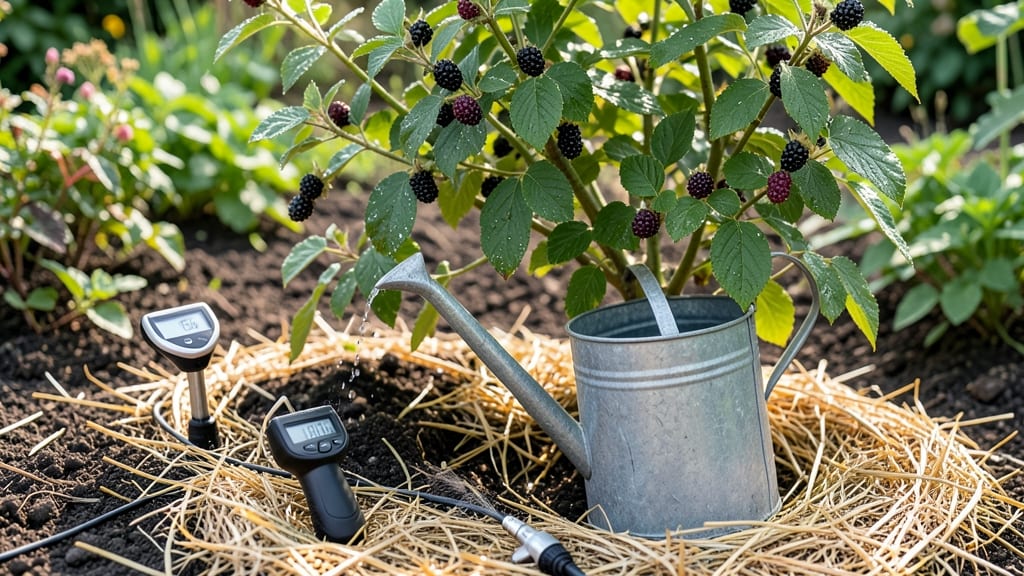
To water blackberry bushes properly, aim for deep soaks every 2-3 days during the growing season—this keeps roots hydrated without drowning them.
Blackberry bushes thrive with the right care—but watering too much or too little can spell disaster for your harvest. Mastering the perfect watering schedule ensures juicy berries and healthy canes, whether you're a seasoned gardener or just starting your first patch.
In spring and summer, when blackberries 🫐 are growing fastest, the soil should stay moist but not soggy. A simple check is to stick your finger an inch deep—if it feels dry, it’s time to water. Overwatering leads to root rot, while underwatering causes berries to shrivel.
You’ll learn how to adjust your watering based on age, soil type, and even the weather. By the end, you’ll know exactly when to reach for the hose—or skip it entirely.
Blackberry watering schedule by season: what you need to know
Blackberries are thirsty plants that demand consistent moisture, especially during fruiting season. Unlike drought-tolerant berries, they wilt quickly when soil dries out but also suffer from soggy roots. The key is deep, infrequent watering that keeps roots hydrated without creating waterlogged conditions.
Your schedule should adjust monthly based on temperature, rainfall, and growth stages—whether your bushes are establishing roots, flowering, or bearing fruit.
Young blackberry plants (first year after planting) need more frequent watering to encourage root development, while mature bushes (2+ years old) can handle slightly longer dry spells.
Always water at the base of the plant (not overhead) to prevent fungal diseases like botrytis, which thrives in wet foliage. Morning watering is ideal—it allows leaves to dry before evening, reducing disease risk.
Here’s your seasonal watering breakdown, including how to adjust for heatwaves or droughts. Use a soil moisture meter or the "finger test" (insert your finger 2 inches deep—if dry, water) to fine-tune your schedule.
In spring (March-May), focus on establishing a deep root system. Water every 2-3 days with 1-1.5 gallons per plant, targeting the root zone. Young plants benefit from drip irrigation or soaker hoses to deliver water slowly.
If you notice wilting leaves by midday, increase frequency—blackberries show stress faster than many other plants.
Summer is the most critical period, especially during fruit development (June-August). Water daily or every 2 days, providing 1.5-2 gallons per plant. Mature bushes can handle deeper watering (up to 10 inches deep) to encourage robust canes.
During heatwaves, mulch with straw or wood chips to lock in moisture and protect roots. Monitor for yellowing leaves, a sign of underwatering or overwatering.
As temperatures drop in fall (September-November), reduce watering to every 3-4 days. The goal shifts from hydration to preparing the plant for dormancy. Avoid watering 1-2 weeks before frost to prevent rot.
In winter (December-February), water only if the ground remains dry—dormant plants need minimal moisture. A light bi-weekly check ensures roots stay alive without encouraging rot.
Environmental factors like rainfall, humidity, and soil type play huge roles. In sandy soil, water more frequently (every 1-2 days in summer) as it drains quickly. Clay soil holds moisture longer, so you may only need water every 4-5 days.
Always adjust for local rainfall: skip watering if you’ve had 1+ inches of rain in the past week.
Pro tip: Use a rain gauge to track precipitation. For container-grown blackberries, water daily in summer since pots dry out faster. Add water crystals to soil mix to extend moisture retention. Remember, consistency is key—blackberries hate moisture swings, which cause cracked fruit or blossom drop.
🌱
Signs your blackberry bushes are overwatered or underwatered (and how to fix it)
Blackberry bushes are sensitive to watering extremes—too much causes root rot and fungal diseases, while too little stunts growth and reduces fruit production. The key is maintaining consistent moisture without waterlogging the soil.
I’ve seen both scenarios destroy entire patches, so let’s identify the warning signs and fix them before they harm your harvest.
Start by checking the soil moisture 2-3 inches below the surface. Stick your finger in—if it feels soggy, you’re overwatering. If it’s bone-dry, your bushes need a deep drink. Yellowing leaves or mushy stems are red flags for overwatering, while crispy edges or drooping canes signal underwatering.
Both issues require immediate action to save your plants.
How Often to Water Blackberry Bushes
✅ DO This
- Water deeply 1-2x weekly in summer
- Use drip irrigation for consistent moisture
- Apply 2-3 inches of mulch to retain moisture
- Water in the early morning to prevent fungal growth
❌ DON'T Do This
- Water shallowly daily (encourages weak roots)
- Let soil dry out completely between waterings
- Water at night (promotes mildew)
- Use sprinklers (wets leaves, spreads disease)
💧 Pro Tip: Test soil moisture with a moisture meter or screwdriver for accuracy.
For overwatered blackberries, reduce frequency immediately and improve drainage. Amend heavy clay soil with compost or sand to help excess water drain away. If you spot black mold on leaves, prune affected areas and treat with a copper fungicide.
I’ve found that raising beds slightly or installing drainage pipes can prevent future issues in soggy soil.
Underwatered bushes show wilted leaves that don’t recover after watering. To revive them, give a deep soak at the base (1-2 gallons per plant) and repeat every 2-3 days until leaves perk up. Mulching with straw helps retain moisture and keeps roots cool.
If the soil is extremely dry, consider temporary shade cloth to reduce water loss while roots recover.
Don’t forget to adjust your watering based on seasonal changes. In winter, reduce watering to bi-weekly as bushes enter dormancy. During heatwaves, increase frequency to daily deep watering to prevent stress. I’ve learned the hard way that ignoring these adjustments leads to stunted growth or even plant death.
Regularly inspect your blackberry patch for early signs of watering issues. Catching problems early—like yellowing leaves or soft stems—gives you time to correct them before they spread. With the right balance, your bushes will reward you with juicy, abundant berries for years to come. 🫐