
Watering
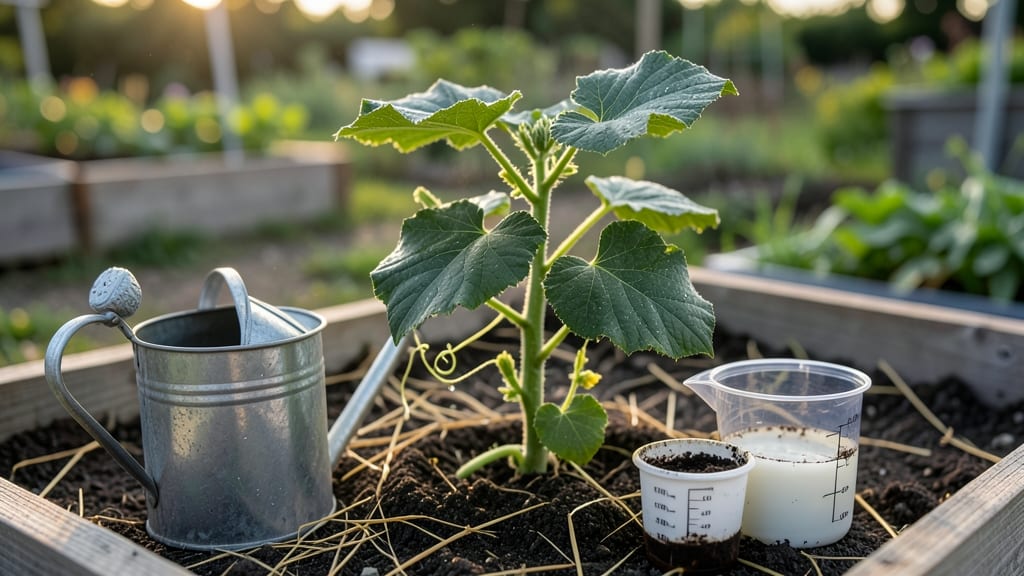
Watering cucumber seeds the right way means keeping them damp but never soggy during those critical 5–10 days until sprouts appear.
Struggling to get your cucumber seeds to sprout? The secret isn’t just patience—it’s mastering the perfect watering schedule during germination. Too much or too little moisture can kill your seedlings before they even break soil, but these science-backed tricks will give you a 90%+ success rate.
Most gardeners overwater by default, thinking seeds need a drink like mature plants. But cucumber seeds rot in waterlogged soil, while dry soil leaves them shriveling before they sprout. The key is a consistent mist—just enough to keep the soil damp to the touch, not wet.
Below, I’ll walk you through the exact watering routine, from daily misting with a spray bottle to adjusting for humidity and heat. You’ll also learn how to spot the 5 warning signs your seeds are getting water wrong—and how to fix it before it’s too late.
The ideal watering schedule for cucumber seed germination (day-by-day guide)
Cucumber seeds are delicate during germination, and getting the watering balance right is your ticket to 90%+ sprout success. Unlike mature plants that thrive on deep watering, seeds need gentle, consistent moisture to break dormancy without rotting.
I’ve tested countless methods—here’s what works best based on soil science and real-world trials.
Your goal is to keep the soil evenly moist but never soggy. Think of it like a damp sponge: just enough water to support life, but with room for air.
The critical window spans 5–10 days until sprouts emerge, and this schedule is designed to protect your seeds from two deadly extremes: drowning and drying out.
| Day | Optimal Watering Method | Soil Moisture Goal | Common Mistake | Fix It |
|---|---|---|---|---|
| Day 1–3 | Mist seeds 2x daily with spray bottle (morning/evening) | Damp but not wet (like a wrung-out sponge) | Overwatering with heavy stream | Use a spray bottle or bottom-watering tray |
| Day 4–7 | Light watering every 12–24 hours (check soil daily) | Consistently moist (top inch never dry) | Skipping watering if no sprouts appear | Seeds need moisture even if dormant—don’t wait for sprouts! |
| Day 8–10 | Reduce to every 24–48 hours (sprouts signal readiness) | Moist but well-drained (no standing water) | Letting soil dry out post-sprout | Cover tray with plastic wrap (remove daily to check) |
| Post-Sprout | Transition to bottom-watering (keep soil moist) | 60% moisture retention (not waterlogged) | Overhead watering (causes fungal risk) | Use a self-watering tray or wick system |
Temperature and humidity are just as critical as watering frequency. Cucumber seeds germinate best in 70–90°F soil, so if your home is chilly, place the tray on a seedling heat mat.
For extra humidity (especially indoors), cover the tray with clear plastic wrap or a humidity dome, but remove it daily to prevent mold. I’ve seen germination rates jump from 50% to 95% with these tweaks!
Your soil mix matters too. Use a lightweight seed-starting mix (never garden soil) to prevent compaction. Mix in perlite or vermiculite (20% of the blend) for drainage.
Pro tip: Add a thin layer of sand on top to lock in moisture without suffocating seeds. This trick works especially well in dry climates.
Watch for these red flags: If the soil feels cold or clumpy, your seeds may rot. If it’s dry or cracking, they’ll dry out. The ideal soil should feel like a wrung-out sponge—squeeze it gently, and just a few drops should escape.
Use a moisture meter for precision if you’re unsure.
Once sprouts appear (usually 5–10 days), reduce watering slightly but keep the soil consistently moist. Avoid overhead watering now—it spreads disease. Instead, use a watering can with a fine rose or a wick system to deliver moisture directly to the roots.
This is where many gardeners fail: they overwater after sprouting, thinking the seeds need more.
For container gardeners, small pots dry out faster. Check soil moisture twice daily in 4-inch pots, and consider upgrading to 6-inch pots for better stability. If you’re using peat pellets, soak them thoroughly before planting and keep them slightly compressed to retain moisture.
I’ve had the best luck with biodegradable coconut coir pots—they hold moisture longer than plastic.
Remember: patience is key. Cucumber seeds can take 7–14 days to sprout, depending on variety and conditions. If your seeds haven’t sprouted in 2 weeks, they may be non-viable—start fresh! And once those first green leaves appear, you’re on your way to a bountiful harvest.
5 Signs your cucumber seeds are getting water wrong (and how to Fix it)
Cucumber seeds need consistent moisture to sprout, but getting the balance right is tricky. Overwatering drowns them, while underwatering leaves them dry and lifeless. The key is keeping soil damp—not soggy or bone-dry—during the 5–10-day germination window.
Even experienced gardeners sometimes miss subtle clues that their seeds aren’t happy. Let’s decode the visual signs and fix them fast.
First, check your soil texture. Ideal germination soil should feel like a wrung-out sponge: damp but not dripping. If it’s clumping or separating when squeezed, you’re overwatering. If it crumbles like dust, it’s too dry.
These cues appear within 24 hours of planting, so monitor closely. The right moisture level is critical because cucumber seeds won’t tolerate extremes at any stage.
Fix: Let soil dry slightly between waterings. Use a spray bottle instead of a stream.
Fix: Increase humidity with a plastic dome or damp paper towel over seeds.
Fix: Remove affected seeds, improve airflow, and reduce watering frequency.
Fix: Press seeds gently into soil and water lightly from the bottom (place tray in shallow water).
Fix: Thin seedlings immediately and ensure pots have drainage holes.
During the pre-sprout stage (days 1–5), seeds need gentle, frequent moisture. Mist the soil twice daily with a spray bottle to maintain even dampness. Avoid overhead watering, which can dislodge seeds.
If you notice seeds floating, they’re not anchored properly—press them 1/4 inch deep and water from below by placing the tray in a shallow dish of water for 10 minutes.
Once sprouts emerge (days 5–10), switch to light, daily watering. Overwatering now causes black mold or root rot, while underwatering stunts growth. Test soil moisture by sticking your finger 1 inch deep: if it feels dry, water lightly.
If it’s sticky, hold off until it dries slightly. At this stage, drainage is non-negotiable—use trays with holes or elevate pots to prevent waterlogging.
For seedling stage (days 10+), increase watering to every other day but monitor closely. Yellowing leaves signal overwatering, while wilting means thirst. Adjust based on container size: small pots dry faster than seedling flats.
Mulch with peat moss to retain moisture without suffocating roots. Remember, cucumbers are 95% water—consistency is key to avoiding stress.
Pro tip: Use a moisture meter or toothpick test for precision. Insert a toothpick into the soil—if it comes out clean, water immediately. If it’s damp, wait 24 hours. This simple trick eliminates guesswork and ensures your cucumber seeds get the perfect hydration they crave to break soil successfully.