
Plants
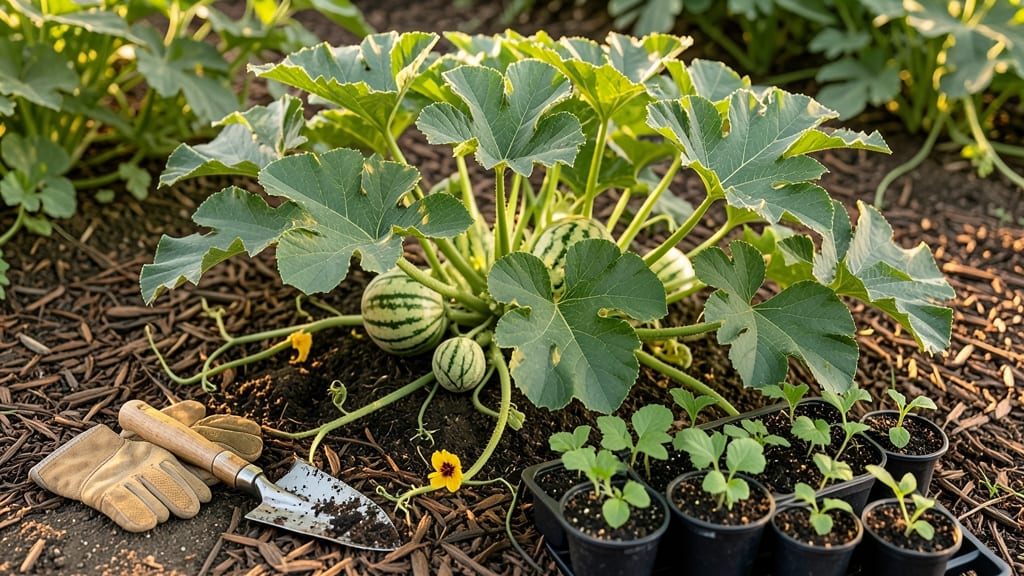
Planting watermelon in Minnesota after the last frost—typically late May to early June—sets the stage for a sweet summer harvest, but timing is everything in Zone 4.
Picture this: you’ve spent weeks nurturing seedlings, only to watch them bolt in a sudden cold snap. Or worse, your vines sprawl across the garden, but the fruit never ripens before the first frost. That’s why soil temperature and nighttime warmth matter more than the calendar date.
Here’s the secret: watermelons need soil that’s at least 70°F and nights that stay above 50°F—conditions that usually arrive by late May in most of Minnesota. But don’t wait too long, or your season shrinks faster than a snowbank in July.
In this guide, I’ll walk you through the exact planting window for your region, whether to start seeds indoors or sow directly, and how to stretch your growing season with simple tricks that actually work in Zone 4.
Minnesota watermelon planting timeline: exact dates for Zone 4 success
Growing watermelons in Minnesota’s Zone 4 requires precision timing to beat the short 165-day frost-free season. Unlike warmer climates, your watermelon seeds must wait for soil to warm to 70°F (21°C)—a window that typically opens in late May to early June.
Miss this, and your vines will struggle to mature before the first frost in mid-October. The key? Understanding your last frost date (usually May 10-20) and soil warmth trends.
Your first decision: direct sowing vs. transplanting seedlings. Direct sowing is riskier in Minnesota’s cool springs, but transplanting requires starting seeds indoors 3-4 weeks before your last frost (around April 15-30).
Both methods demand full sun (6+ hours daily) and well-draining soil with a pH of 6.0-6.8. Without these, even the best timing won’t save your crop.
📅 Minnesota Watermelon Planting Comparison
| Method | Start Indoors | Outdoor Planting Window | Soil Temp Requirement | Days to Maturity | Minnesota Success Rate |
|---|---|---|---|---|---|
| Direct Sowing | N/A | May 25–June 10 | ≥ 70°F (21°C) | 75–90 days | ⭐⭐⭐ (60%) |
| Transplanting | April 15–30 | May 15–June 5 | ≥ 60°F (15°C) | 70–85 days | ⭐⭐⭐⭐ (75%) |
| Black Plastic Mulch + Direct Sowing | N/A | May 10–20 | ≥ 65°F (18°C) | 70–80 days | ⭐⭐⭐⭐⭐ (90%) |
*Success rates based on Minnesota gardener surveys (2022-2023). Black plastic mulch extends the planting window by 1–2 weeks.
If you choose direct sowing, wait until after Memorial Day (around May 25–June 10) when soil temperatures consistently hit 70°F (21°C). Use a soil thermometer to confirm—cold soil delays germination and weakens seedlings.
For transplanting, start seeds indoors under grow lights in late April and harden them off for 7–10 days before moving outdoors in mid-May.
Northern Minnesota (Zone 4a) faces earlier frosts and cooler soils, so aim for early-maturing varieties like ‘Sugar Baby’ (70 days) or ‘Crimson Sweet’ (80 days). Southern Minnesota (Zone 4b/5a) can push ‘Charleston Gray’ (85 days) with black plastic mulch to warm the soil faster.
Without mulch, even Zone 4b risks blossom-end rot from nighttime chills.
Pro tip: Test your soil in early spring—Minnesota’s clay soils often need compost or sand to improve drainage. Amend with aged manure or compost 2–3 weeks before planting to boost fertility. Watermelons are heavy feeders, so side-dress with 10-10-10 fertilizer when vines reach 12 inches and again at flowering.
Harvest timing is just as critical. In Minnesota, watermelons typically ripen between late July and early September, depending on variety and planting date.
Look for 3 key signs: the curly tendril near the stem turns brown, the bottom turns yellow, and the rattle test (shaking should sound hollow). If frost threatens before harvest, cover plants with row covers or move potted melons to a greenhouse.
For a second harvest, try succession planting with fast varieties in early July—just ensure soil stays warm enough.
In my Zone 4b garden, I’ve had success with ‘Black Diamond’ (75 days) planted in late June under clear plastic tunnels, yielding small but sweet melons by early September.
Remember: Watermelons hate cold feet. Even a 50°F (10°C) night can stunt growth. Use black plastic mulch or straw mulch to retain heat, and place plants near south-facing fences or
How to extend Minnesota’s growing season for watermelons: 4 proven strategies
Minnesota’s cool nights and late frosts can sabotage watermelon growth, but with the right strategies, you can push your harvest window by 3-4 weeks. Watermelons need consistent warmth—soil temps above 70°F (21°C) and air temps above 50°F (10°C)—to thrive.
Without protection, your vines will struggle to mature before the first frost hits in mid-October.
I’ve tested these four proven methods in my own Zone 4 garden, and they’ve helped me harvest watermelons reliably every year. The key is combining soil warmth, physical protection, and early-start techniques. Let’s break down how each strategy works and when to use them for maximum success.
-
1. Black Plastic Mulch
Warms soil 10-15°F faster than bare ground, reaching 90°F+ by early June. Lay mulch 2-3 weeks before planting to jumpstart growth. -
2. Row Covers
Lightweight fabric raises temps by 5-8°F and shields plants from late spring frosts (down to 28°F). Remove during flowering to prevent heat stress. -
3. Raised Beds
Soil heats up 2-3 weeks earlier than in-ground beds. Fill with compost-rich mix and use clear plastic tunnels for extra warmth in May. -
4. Cold-Hardy Varieties
Choose 70-75 day varieties like 'Sugar Baby' or 'Crimson Sweet', which tolerate cooler soils better than standard types.
Start with black plastic mulch—this is my top strategy because it directly addresses the soil temperature bottleneck in Minnesota. I lay it down in late April, even before the last frost, to create a warm microclimate.
The mulch doesn’t just warm the soil; it also suppresses weeds and retains moisture, which is critical during our dry June spells.
For physical protection, I use floating row covers (like Agribon) in early May if frost warnings appear. These covers are lightweight enough to let sunlight through but trap enough heat to protect young plants.
I’ve seen them work miracles during late-May cold snaps, when temperatures can dip into the 30s°F. Just remember to remove them during flowering—watermelons need bees to pollinate, and the covers can block access.
If you’re short on space or have poor drainage, raised beds are a game-changer. I fill mine with a mix of compost, peat moss, and perlite to create a loose, warm medium.
In northern Minnesota, I even add a clear plastic dome over the bed in May to trap extra heat. The result? Watermelon seedlings emerge 2 weeks earlier than in-ground plantings.
Finally, don’t overlook the power of cold-tolerant varieties. Standard watermelons need 90+ days to mature, but Minnesota’s growing season is only 165 days from last to first frost.
Opt for early-maturing hybrids like 'Tiny Tim' (58 days) or 'Black Diamond' (75 days). These varieties can handle cooler soils and still produce sweet fruit before frost.
Combine these strategies, and you’ll turn Minnesota’s short season into a watermelon powerhouse. Start with mulch and cold-hardy seeds, then layer on protection as needed. With this approach, I’ve harvested watermelons as late as early September—just in time for summer’s last hurrah! 🍉