
Watering
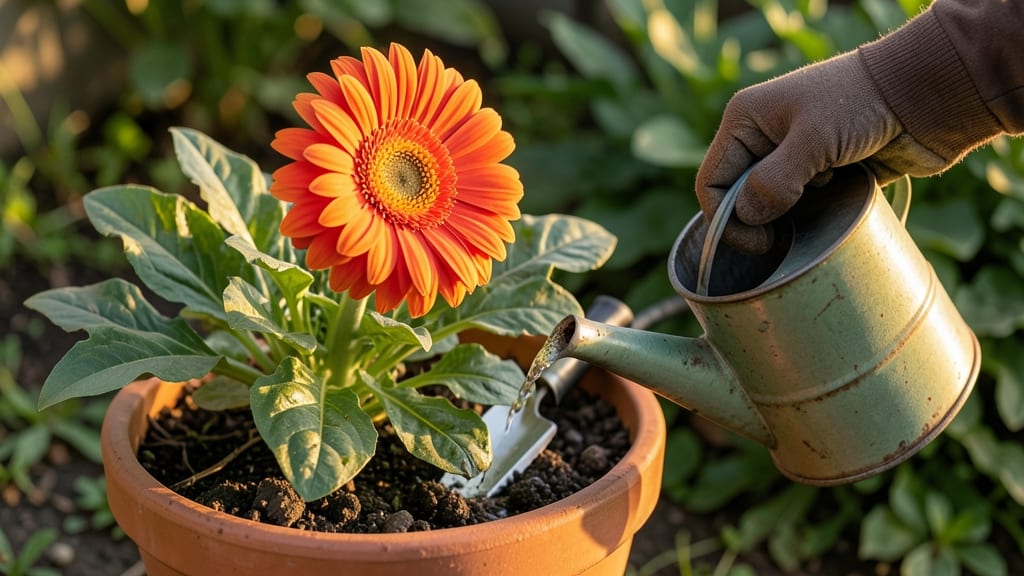
Watering gerbera daisies the right way keeps those bright 🌼 blooms thriving all season long — but get the frequency wrong, and you’ll end up with floppy stems or yellowing leaves.
Struggling to keep your gerbera daisies blooming as vibrantly as the day you planted them? The secret often lies in mastering their watering schedule — too much or too little, and you’ll watch those stunning petals wilt before they fully open.
In USDA Zone 6a, where spring planting kicks off in April, these sun-lovers need consistent moisture but hate soggy roots. Containers dry out faster than in-ground beds, so adjust your watering rhythm based on where they’re planted.
Below, I’ll break down the exact schedule for each season, plus the foolproof finger test to check soil moisture without guessing. No more wilting blooms — just lush, happy gerbera daisies all summer.
Gerbera daisy watering schedule: the perfect frequency for healthy blooms
Mastering the gerbera daisy watering schedule is the key to those show-stopping blooms you adore. These vibrant flowers thrive on consistent moisture but despise soggy roots—finding that sweet spot is easier than you think.
I’ve grown gerberas for years, and I can tell you: overwatering is the #1 killer, but underwatering will make your plants droop faster than a wilting sunflower on a hot day.
Your gerbera daisies’ water needs change with seasons, soil type, and whether they’re in containers or planted in the ground. Young plants need more frequent watering than mature ones, while hot summers demand extra attention.
Let’s break it down so you can keep your gerberas happy and blooming all season long.
🌱 Pro Tip: Always water at the base of the plant, not the leaves, to prevent fungal diseases like powdery mildew. Morning watering is ideal—it gives the foliage time to dry before evening, reducing rot risks.
| Condition | Watering Frequency | Key Notes |
|---|---|---|
| Spring (New Growth) | Every 2 days | Soil warms up—roots establish faster with consistent moisture. |
| Summer (Peak Bloom) | Daily or every other day | High heat = faster evaporation. Check soil daily in containers. |
| Fall (Slowing Growth) | Every 3-4 days | Reduce watering as temps drop; plants prepare for dormancy. |
| Winter (Dormant) | Bi-weekly | Only water if soil is completely dry; overwatering kills roots in cold. |
| Containers (All Seasons) | Every 1-2 days | Potted gerberas dry out 2x faster than in-ground plants. |
| Clay Soil (Poor Drainage) | Every 4-5 days | Amend with compost to improve drainage; water less frequently. |
| Sandy Soil (Fast Drainage) | Every 1-2 days | Retains less moisture; may need daily watering in summer. |
Pay close attention to your soil type—sandy soils dry out like a desert, while clay holds moisture like a sponge. If your gerberas are in containers, they’ll need watering twice as often as in-ground plants because pots bake in the sun.
I once lost a batch of gerberas because I assumed their container size meant they’d need less water—big mistake!
Use the finger test to check moisture: stick your finger 1-2 inches into the soil. If it feels dry, it’s time to water.
If it’s damp, wait another day. Mulching with 2-3 inches of organic mulch (like straw or shredded leaves) helps retain moisture and keeps roots cool—especially in hot climates.
Watch for visual cues like drooping leaves or crispy edges, which signal underwatering. Yellowing leaves or mushy stems? That’s overwatering in action. Adjust your schedule based on these signs—your gerberas will thank you with bold, long-lasting blooms that turn heads at your garden parties.
In humid climates, reduce watering slightly to avoid fungal issues. If you’re in a dry, arid region, consider a drip irrigation system to deliver water slowly at the roots. I installed one last summer, and my gerberas stayed lush while my neighbor’s wilted under the scorching sun.
Remember: gerbera daisies hate wet feet. Always ensure pots have drainage holes, and never let them sit in saucers of standing water. For in-ground plants, raise beds slightly or add sand to heavy soil to improve drainage.
A little effort here prevents root rot and keeps your gerberas thriving for years of vibrant color.
Start with this schedule, then tweak based on your local climate and soil. Before you know it, your garden will be a gerbera daisy paradise, and your neighbors will be begging for tips! 🌼
The finger test method: how to check soil moisture like a pro
Mastering the finger test method is my go-to trick for keeping gerbera daisies thriving. This simple technique helps you avoid both overwatering and underwatering, which can cause root rot or wilting. Unlike guesswork, this method gives you real-time data about your soil's moisture levels—no fancy tools required!
Start by choosing the right time—morning is ideal because soil moisture is most accurate after nighttime cooling. Gerbera daisies prefer well-draining soil, so if your garden bed feels compacted, consider amending it with perlite or sand before testing. This ensures your finger can easily penetrate to the correct depth.
- Step 1: Insert your finger 1-2 inches deep into the soil near the plant's base.
- Step 2: Check moisture by feeling the soil—damp but not soggy is perfect for gerbera daisies.
- Step 3: Adjust watering based on results: dry soil = water now; wet soil = wait 1-2 days.
- Step 4: Water deeply at the base (not leaves) to encourage strong root growth.
- Step 5: Repeat test every 2-3 days during summer or weekly in cooler months.
If your finger comes out with clumps of soil, your gerbera daisies need water immediately. This indicates the root zone is dry, and the plant may already be slightly stressed. For container-grown daisies, the soil dries out faster—test at 1-inch depth and water every 1-2 days in hot weather.
On the flip side, if the soil feels soggy or cold to the touch, hold off on watering. Gerbera daisies hate "wet feet," which can lead to fungal diseases like root rot.
In this case, let the soil dry out completely before watering again. Mulching with organic matter like straw can help regulate moisture levels naturally.
Pro tip: Keep a small notebook nearby to track your finger test results. Note the date, soil moisture level, and how your gerbera daisies respond. Over time, you'll develop an intuitive sense of when to water based on your specific climate and soil type.
This method works year-round, but remember to reduce watering in fall and winter as the plant's growth slows.
By mastering this simple technique, you'll give your gerbera daisies the perfect balance of moisture they crave—leading to longer-lasting blooms and healthier foliage all season long. 🌼💧