
How To
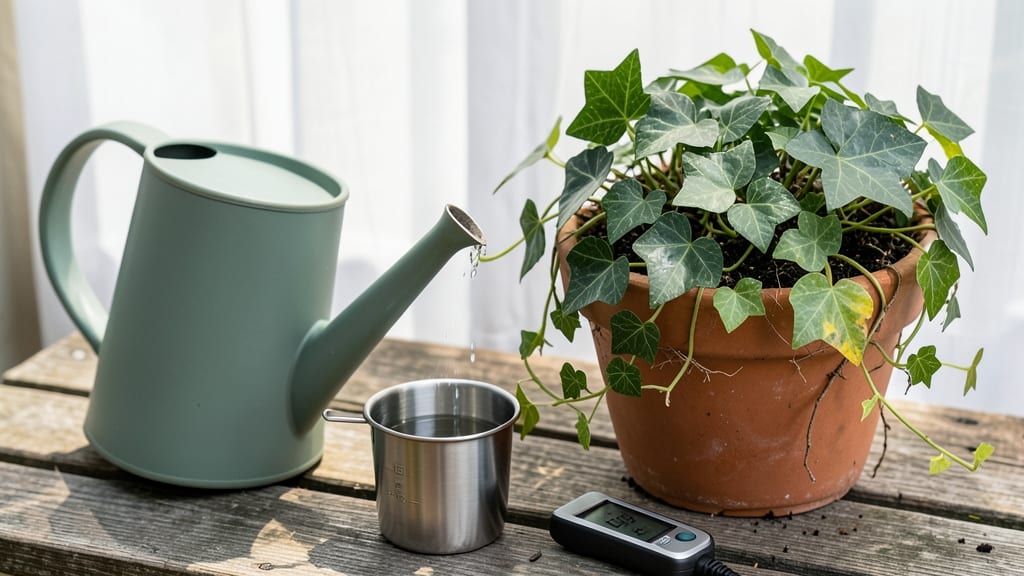
Watering an ivy plant too often or too little can turn its vibrant vines into a crispy or soggy mess—so finding that sweet spot is everything for keeping it thriving.
Struggling to keep your ivy plant lush and vibrant? Overwatering or underwatering can turn those beautiful vines into a sad, brown mess—fast. The truth is, ivy plants 🌿 are surprisingly resilient, but they still need a consistent routine to stay happy.
Most gardeners water their ivy every 7 to 14 days, but that’s just the starting point. Soil type, pot size, and even the season play a huge role in how often you should water.
For example, potted ivy dries out faster than one planted in the ground, while winter slows everything down.
In this guide, I’ll break down the exact watering schedule your ivy craves, plus how to spot the subtle signs of thirst (or drowning) before it’s too late—so you can enjoy those lush, trailing vines all year long.
The 2-Week watering rule for ivy plants: when and how much
Ivy plants are masters of adaptability, thriving in everything from hanging baskets to shady garden corners—but their watering needs are often misunderstood. The 2-week watering rule isn’t just a suggestion; it’s a science-backed guideline that balances moisture without drowning those lush vines.
Too little water, and your ivy turns crispy at the edges. Too much, and you’re staring at root rot. Let’s crack the code for perfect ivy hydration.
First, understand that ivy’s water needs shift with the seasons. In spring and summer, growth is rapid, and roots drink deeply. But in fall and winter, the plant slows down, storing moisture like a natural water tank.
Humidity also plays a starring role—indoor ivy in dry air needs more frequent checks than outdoor plants basking in morning dew. The key? Soil moisture, not a rigid schedule.
Here’s the game-changer: stick to the 2-week rule as a baseline, but adjust based on your ivy’s environment. Potted ivy? Check soil moisture weekly. Outdoor ivy? Rainfall might extend that to every 3 weeks. Let’s break it down by season so you never guess again.
| Season | Watering Frequency | Signs of Underwatering | Signs of Overwatering | Pro Tip |
|---|---|---|---|---|
| Spring | Every 7-10 days | Dry, crispy leaves | Yellowing leaves | Water deeply in morning |
| Summer | Every 10-14 days | Wilting vines | Mushy stems | Mulch to retain moisture |
| Fall | Every 2-3 weeks | Slow growth | Root rot smell | Reduce watering gradually |
| Winter | Monthly (if indoors) | Brittle leaves | Waterlogged soil | Use humidifier near plant |
Now, let’s talk how much to water. Ivy roots love a deep soak—think 500-1000ml for potted plants—until water drains from the bottom. For outdoor ivy, aim for 1-2 inches of water per week, including rainfall.
The goal? Moisten the entire root zone, not just the top inch of soil. Use your finger to test: if the top 2 inches feel dry, it’s time to water.
Humidity is the wildcard in ivy care. Indoor plants near heaters or AC units dry out faster. Increase humidity with a pebble tray or misting (but avoid soggy leaves).
Outdoor ivy? Let nature do the work—morning dew and rainfall often cover your watering needs. Adjust your schedule based on these factors, not just the calendar.
Pro tip: Pot size matters. A 6-inch pot dries out faster than a 12-inch one. Larger containers hold moisture longer, reducing your watering frequency. If you’re unsure, err on the side of underwatering slightly—ivy recovers faster from thirst than from rot.
Always pair watering with well-draining soil mixed with perlite or orchid bark to prevent soggy roots.
Watch for these red flags: crispy edges mean thirst; yellowing leaves or a foul smell mean overwatering. Ivy is forgiving, but consistency is key. Stick to the 2-week rule, tweak for your climate, and your vines will reward you with year-round lushness. No more guesswork—just thriving, vibrant ivy.
Remember, ivy’s beauty lies in its resilience. With the right watering rhythm, your plant will climb, cascade, or trail—whatever your heart desires. Now grab that watering can and give your ivy the care it truly deserves! 🌿
How to tell if your ivy needs water (without guessing)
Ivy plants are masters of disguise—they’ll hide their thirst until it’s too late, but there are tactile clues that reveal their true needs. Before you grab that watering can, check these 5 key signs to avoid over- or underwatering. The secret? A simple finger test that takes just 10 seconds.
Start by examining the soil moisture. Stick your finger about 1 inch deep into the soil near the roots. If it feels completely dry, your ivy is thirsty. But if it’s damp or sticky, hold off on watering—ivy roots don’t like soggy conditions.
This test works for both potted ivy and ground-planted vines, though container plants dry out faster.
🌱 Ivy Watering Clues: Underwatered vs. Overwatered
Underwatered Ivy
- 🌿 Dry, crispy leaf edges
- 🌿 Wilting or drooping vines
- 🌿 Slow growth
- 🌿 Soil pulls away from pot
✅ Fix: Water deeply until it drains from the bottom.
Overwatered Ivy
- 🌿 Yellowing leaves
- 🌿 Mushy stems
- 🌿 Root rot smell
- 🌿 Waterlogged soil
⚠️ Fix: Let soil dry completely before watering again.
Next, inspect the leaf texture. Healthy ivy leaves should feel firm and slightly leathery. If they’re crispy to the touch, your plant is parched.
Conversely, soft or mushy leaves signal overwatering. Pro tip: Gently squeeze a leaf—if it springs back, it’s happy; if it stays crushed, it’s stressed.
Don’t ignore the growth rate either. Ivy that’s thriving grows about 6-12 inches per year. If new growth has stalled or the vines look leggy and sparse, it’s likely thirsty. But if you see yellow spots or blackened stems, you’ve crossed into overwatering territory.
For potted ivy, weigh the container. A dry pot feels light as a feather, while a watered one is noticeably heavier. This trick saves you from guessing—just lift and assess! If the pot’s weight is between light and heavy, your ivy’s moisture levels are likely just right.
Finally, adjust for your climate and season. In summer heat, ivy may need water every 5-7 days, while winter dormancy can stretch watering to every 3-4 weeks.
Humidity matters too—dry indoor air speeds up moisture loss, so monitor your ivy more closely near heaters or AC units.
Master these cues, and you’ll never second-guess your ivy’s water needs again. The key? Observe, test, and adjust—your vines will thank you with lush, vibrant growth. 🌿