
How To
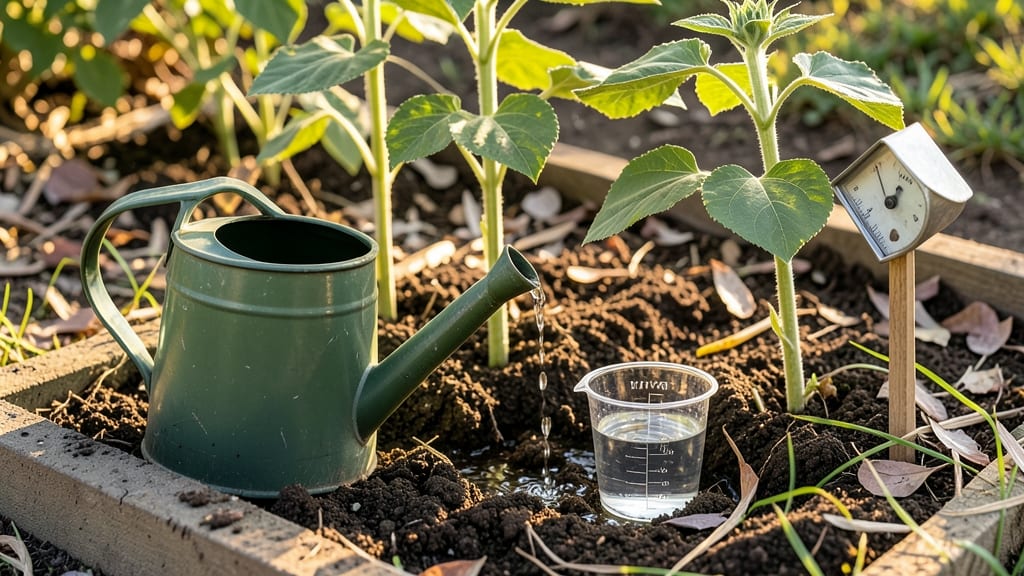
To water sunflower seeds properly, keep the soil consistently moist but never soggy during germination—this is the key to fast sprouting.
Struggling to get your sunflower seeds to sprout? The secret lies in consistent moisture—water too little, and they’ll dry out; too much, and they’ll rot. Here’s the exact watering schedule to maximize germination success.
Sunflower seeds 🌻 need a delicate balance: a light mist twice daily keeps them hydrated without drowning them. After the first leaves appear, you can ease up slightly, but never let the soil dry out completely—that’s when seedlings fail.
Below, I’ll walk you through the perfect watering timeline for each stage, plus how to spot over- or under-watering before it’s too late.
Sunflower seed germination watering schedule by stage (with moisture tips)
Sunflower seeds need precise watering to break dormancy and sprout successfully. Overwatering causes rot, while underwatering leaves seeds dry and dormant. The key is maintaining consistent moisture without soggy soil. Here’s my stage-by-stage guide to watering sunflower seeds from planting to seedling.
Before seeds sprout, focus on keeping the soil evenly moist—not wet. Sunflower seeds germinate best at 70-80°F soil temps, but moisture is the real game-changer. Use a spray bottle or fine mist to avoid displacing seeds, which are planted just 1 inch deep.
During the pre-sprout phase, I use a spray bottle to mimic natural rainfall. This prevents disturbing seeds while ensuring moisture reaches them. Check soil moisture daily—stick your finger 1 inch deep; if it’s dry, water immediately. Morning watering is ideal to reduce evaporation and fungal risks.
Once seeds crack through the soil (the post-sprout phase), switch to gentle deep watering. Aim for the soil to stay moist but never soggy. Yellowing leaves signal overwatering, while wilting seedlings mean you’ve underwatered. Adjust frequency based on your climate—hotter days mean more frequent watering.
At the seedling stage, sunflowers develop deeper roots and need less frequent but deeper watering. Let the top 3 inches dry slightly between waterings to encourage root growth. Mulch lightly with straw to retain moisture without suffocating young plants.
Avoid overhead watering to prevent fungal diseases like powdery mildew.
By the time sunflowers reach 4+ inches tall, they’re more drought-tolerant but still need consistent moisture. Water deeply every 5-7 days, soaking the soil to 6 inches deep. Drooping leaves in the afternoon indicate thirst, while brown spots on foliage suggest overwatering or fungal issues.
Adjust your schedule based on rainfall—skip watering if you’ve had 1 inch of rain in the past 2 days.
Pro tip: Use a moisture meter for accuracy, especially in containers where soil dries faster. If you’re growing in pots, water every 2-3 days and ensure pots have drainage holes. Clay pots dry out quicker than plastic, so monitor them closely during hot spells.
Remember, sunflowers are forgiving once established, but germination is the most critical phase. Consistency is key—stick to this schedule, and you’ll see those bright green sprouts within 7-14 days.
With the right moisture balance, your sunflowers will grow tall and strong, ready to bloom into those iconic cheerful yellow faces.
5 Critical signs your sunflower seeds are over/under-watered (and how to fix it)
Sunflower seeds are surprisingly delicate during germination, and watering mistakes can kill them before they even sprout. Too little water causes seeds to dry out, while too much creates anaerobic conditions that suffocate roots.
The key is finding that consistent moisture balance—not soggy, not bone-dry. Here’s how to spot trouble and fix it fast.
First, check your soil moisture daily. Stick your finger about 1 inch deep—if it feels dry, it’s time to water. But if it’s damp or sticky, you’ve overdone it. Sunflower seeds need constant humidity without becoming waterlogged. The signs of distress are often subtle but critical to catch early.
- 💧 Sign 1: Mushy, Dark Seeds – If seeds feel soft or smell foul, they’re rotting from overwatering. Fix: Stop watering immediately, remove affected seeds, and repot healthy ones in dry, fresh soil.
- 🌱 Sign 2: Cracked Soil Surface – Hard, dry soil means underwatering. Break up the crust gently and water until moisture reaches 2 inches deep.
- 🌿 Sign 3: Wilting Sprouts – Young shoots drooping? They’re thirsty. Water lightly at the base and avoid wetting leaves to prevent fungal diseases.
- 🟡 Sign 4: Yellowing Leaves – Lower leaves turning yellow signal root stress from either too much or too little water. Adjust your routine and ensure well-draining soil.
- ⏰ Sign 5: No Sprouts After 10 Days – If seeds stay dormant, they may be drying out. Cover the tray with plastic wrap to retain moisture and check soil daily.
For container-grown seeds, use a spray bottle to mist the soil lightly every 1-2 days. Avoid letting water pool in the tray—always empty excess after 10 minutes. If you’re planting directly in the garden, water the soil thoroughly before sowing and maintain even moisture until sprouts appear.
Remember, sunflowers are drought-tolerant once established, but their seeds and seedlings are not. The first 2 weeks are the most critical. Use a moisture meter or your finger to monitor soil conditions. If you’re unsure, underwater slightly—you can always add more water, but you can’t undo rot.
Pro tip: Group your sunflower seeds in a humidity dome or under a clear lid to lock in moisture. This mimics their natural environment and reduces the risk of watering guesswork. Once sprouts emerge, remove the cover and water at the base only to avoid fungal issues.
By watching for these 5 key signs and adjusting your watering routine, you’ll give your sunflower seeds the perfect start. Consistency is everything—your future 10-foot giants will thank you! 🌻