
Plants
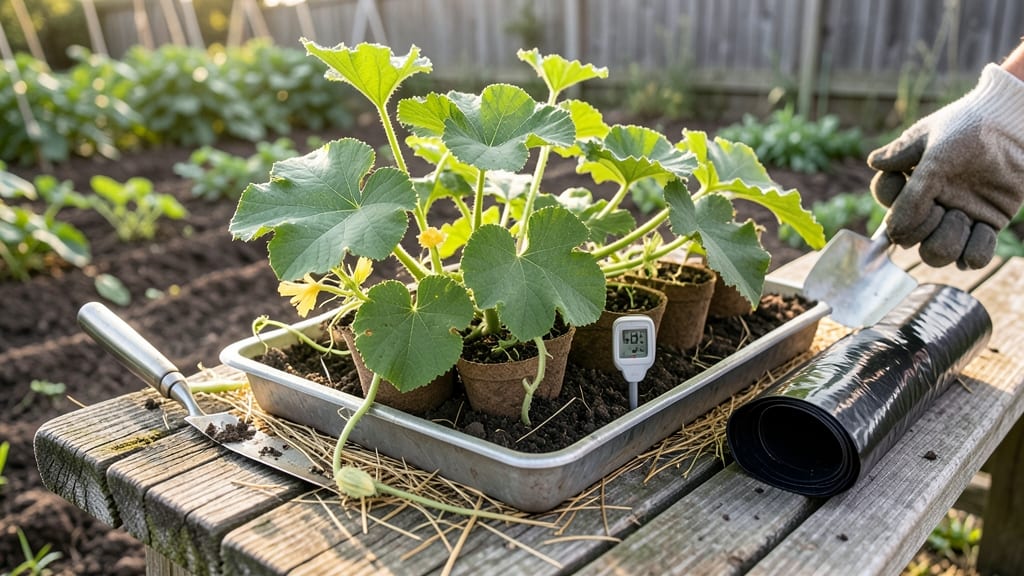
Planting watermelon in South Carolina after the last frost — when soil hits 70°F — is the secret to faster germination and sweeter fruit.
You’ve got the perfect climate for 🍉 vines, but timing matters more than you think. Too early, and your seeds will sit in cold soil, waiting forever. Too late, and you’ll miss the summer heat that turns small melons into juicy giants.
In zones 7b-8a, the sweet spot is mid-April to early May, but coastal areas can start a week earlier. I’ll break down the exact dates by region, plus how to prep your soil for 60-day growth.
Skip the guesswork: learn how to read frost dates, soil temps, and even microclimates to plant at the perfect moment for a harvest by July.
Best planting dates for watermelon in South Carolina by region
South Carolina’s diverse climate means your watermelon planting dates should vary by region—whether you're in the cooler Upstate, the mild Midlands, or the warmer Coastal areas.
The key is waiting until soil temperatures hit 70°F (21°C) for reliable germination, which typically aligns with late April to early May for most areas. But don’t guess—use these region-specific windows to align with your local frost-free dates and microclimates.
In the Upstate (USDA Zones 7b-8a), where nights stay chilly longer, aim for late April to mid-May after the average last frost (usually April 15).
The Midlands (Zone 8a) can start slightly earlier, around mid-April, while the Coastal Lowcountry (Zone 8b) often enjoys warmer soils by early April, allowing for earlier sowing. Microclimates near rivers or urban heat islands may even support late March plantings in sheltered spots.
For faster germination, consider transplanting seedlings instead of direct sowing. Start seeds indoors 4-6 weeks before your region’s last frost date, then transplant when soil warms to 70°F+.
This cuts 7-10 days off your growing season compared to direct sowing, which is critical for shorter-season varieties like 'Sugar Baby' or 'Crimson Sweet'.
Here’s a side-by-side comparison of planting windows, soil temperature thresholds, and harvest timelines for each region to help you pick the perfect time for your patch:
| Region | Last Frost Date | Ideal Planting Window | Soil Temp Threshold | Harvest Window | Notes |
|---|---|---|---|---|---|
| Upstate (Greenville, Spartanburg) | April 15–20 | Late April–Mid-May | 70°F+ | July–Early August | Use black plastic mulch to warm soil faster. |
| Midlands (Columbia, Rock Hill) | April 1–10 | Mid-April–Early May | 70°F+ | Late June–August | Transplant seedlings for earlier harvests. |
| Coastal (Charleston, Hilton Head) | March 15–April 1 | Early April–Late April | 68°F+ | June–September | Longer season allows for fall varieties. |
| 🌱 Pro Tip: Test soil temp with a soil thermometer—wait until it’s consistently 70°F+ at 2" depth. | |||||
If you’re growing heirloom varieties like 'Moon and Stars' or 'Morden’s Orange', which take 80–90 days to mature, stick to the earlier windows in the Midlands and Coastal regions.
For faster-maturing varieties (60–70 days), like 'Sugar Baby', you can push the envelope slightly later—even into early June for a fall harvest, though yields may be smaller.
For direct sowing, scatter seeds ½-inch deep in hills spaced 3–4 feet apart, with 2–3 seeds per hill. Germination typically takes 7–14 days in warm soil, but cool spells can stall sprouts.
If you’re in the Upstate and face unpredictable spring weather, opt for transplanting hardened-off seedlings from late May to early June for a second harvest in late summer.
Don’t overlook microclimates—areas near buildings, pavement, or bodies of water can warm up 1–2 weeks earlier than surrounding fields. Use these pockets to extend your planting window or grow heat-sensitive varieties like 'Charleston Gray', which thrives in the Coastal region’s humidity.
Just monitor for powdery mildew in these warmer, moister spots.
For fall harvests, try late-summer plantings in the Midlands and Coastal regions by June 15–July 1. Choose shorter-season varieties (70 days) and use row covers to protect young plants from tropical storms or unexpected cold snaps in September. This strategy lets you enjoy swe
How to time watermelon planting for faster germination and higher yields
Watermelon seeds need warm soil to germinate—at least 70°F (21°C)—so timing your planting is critical for faster sprouts and bigger harvests. In South Carolina, late April to early May is ideal for most regions, but soil temperature trumps calendar dates.
Cool soil delays germination and weakens young vines, leading to stunted growth. Let’s break down the exact steps to optimize your planting schedule.
For faster germination, use a soil thermometer to confirm warmth before planting. If your soil isn’t ready, consider transplants from a nursery—young watermelon plants handle cooler temps better than seeds.
However, transplants cost more and may struggle to adapt if moved too late. Balance speed and budget by choosing direct sowing once soil hits 70°F+ consistently for 5 days.
🌱 Key Steps for Timing Watermelon Planting
- 1. Wait for soil warmth: Plant only when soil reaches 70°F+ (use a thermometer!). In SC, this is typically late April to early May.
- 2. Use row covers: Extend the season by 2-3 weeks with floating row covers for early sowings (remove when flowers appear).
- 3. Choose seeds vs. transplants: Seeds are cheaper but need warm soil; transplants germinate faster but cost more.
- 4. Adjust for microclimates: Coastal SC can plant 1-2 weeks earlier than Upstate due to milder nights.
- 5. Plan for fall harvests: Sow late June for a second crop—choose shorter-season varieties like 'Sugar Baby' (70 days).
If you’re planting in early spring (March-April), use black plastic mulch to warm the soil 5-10°F faster than bare ground. Lay the mulch 2 weeks before planting to maximize heat retention. For late spring (May-June), focus on watering deeply to prevent stress—watermelons need 1-2 inches of water weekly once established.
For higher yields, avoid overcrowding: space vines 3-6 feet apart in rows 5-6 feet apart. Overcrowded plants produce smaller, fewer melons and attract more pests. If you’re short on space, try trellising smaller varieties like 'Tiny Tim' to save room while improving air circulation.
Extend your growing season for a fall harvest by planting late June with fast-maturing varieties (60-70 days). Use drip irrigation to keep soil moist during SC’s hot, dry summers—this reduces disease risk and speeds up fruit ripening.
Harvest before first frost (mid-November in most of SC) to enjoy sweet, homegrown watermelons all season.
Pro tip: Mark your calendar for July 4th—this is the traditional peak watermelon season in SC! Planting in late May ensures you’ll harvest just in time for summer picnics.
With the right timing, you’ll go from seed to slice in 75-90 days, enjoying the sweetest, juiciest melons your garden has to offer. 🍉