
How To
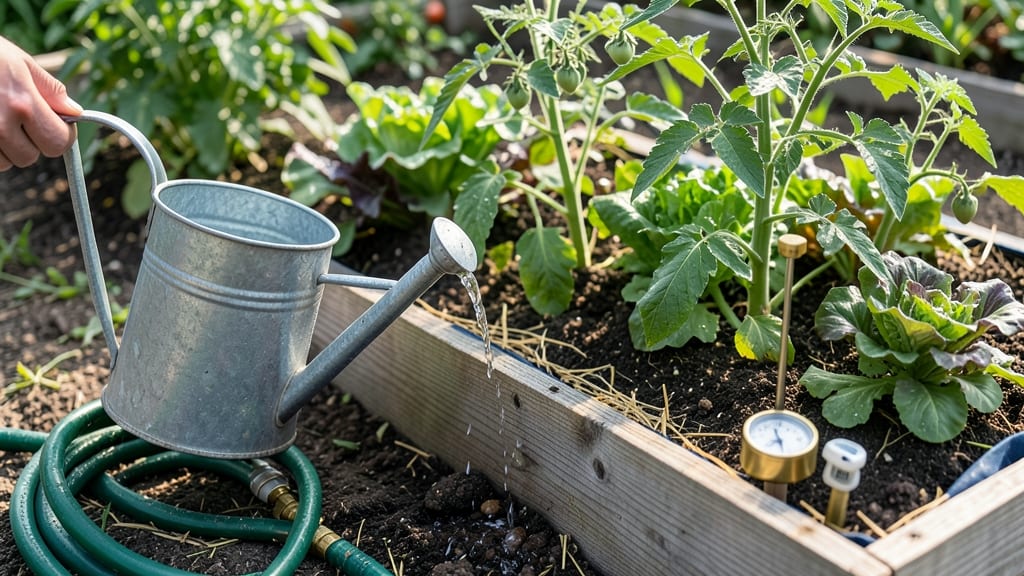
To water your vegetable garden properly, you need a schedule that matches each plant’s thirst—because one-size-fits-all watering is a fast track to wasted effort (or drowned roots).
Picture this: your tomatoes are wilting under the midday sun, while your lettuce bolts into bitter leaves because the soil stayed soggy too long. The truth? Most gardeners over- or under-water by guessing, and that’s how you end up with half the harvest you expected.
Here’s the game-changer: a plant-specific watering plan that accounts for everything from sandy soil to heatwaves, so you’re not left scrambling when the weather turns. We’ll break down exactly how often to water 15+ common crops, plus the telltale signs your garden is thirsty—or drowning.
By the end, you’ll know the exact intervals for your 🥬 vegetable garden, whether you’re growing leafy greens, root crops, or fruiting plants—and how to adjust when the rain (or the heat) changes the rules.
Watering frequency by vegetable type: a plant-specific schedule for optimal growth
Every vegetable has unique watering needs, and understanding these differences is key to growing a thriving garden. Leafy greens like spinach and lettuce need consistent moisture to stay tender, while root crops such as carrots and potatoes prefer deeper, less frequent watering to develop properly.
Fruiting plants like tomatoes and peppers require balanced hydration to produce abundant harvests. Let's dive into the science-backed watering schedules for 15+ common vegetables to help you avoid both overwatering and underwatering.
Your garden's soil type and local climate will also influence these guidelines. Sandy soil drains quickly, requiring more frequent watering, while clay soil holds moisture longer. In hot, dry climates, most vegetables will need more water than in cooler, humid regions.
Always adjust your watering schedule based on these factors and the specific needs of each plant in your garden.
Below is a detailed comparison table of watering frequencies for popular vegetables, organized by plant family. This will serve as your go-to reference for maintaining optimal soil moisture levels throughout the growing season.
For leafy greens, maintaining even moisture is crucial. These plants thrive with daily or every-other-day watering, especially in hot weather.
Use a spray nozzle or gentle stream to avoid dislodging tender leaves. Mulching with straw or grass clippings helps retain moisture and keeps soil temperatures stable, which is particularly important for fast-growing greens like spinach and kale.
When growing root vegetables, focus on deep watering rather than frequent shallow sessions. This encourages roots to grow downward rather than spreading out. Carrots and beets need consistent moisture but will split if overwatered. Aim for 1-2 inches of
How to adjust watering based on soil, weather, and plant life stage
Adjusting your watering schedule isn't just about sticking to a calendar—it's about understanding your soil type, current weather, and your plants' life stages. Sandy soil drains quickly, while clay holds moisture like a sponge, and seedlings need gentler care than mature tomato plants.
Let's break down how to tailor your approach for optimal growth without wasting water.
Start by testing your soil moisture with the finger test: Stick your index finger 1-2 inches into the soil. If it feels dry, it's time to water.
If it's damp, wait another day. This simple trick helps you avoid both overwatering and underwatering, two common mistakes that stunt plant growth or invite pests.
⚠️ Common Watering Mistakes & Fixes
Mistake: Watering based on a rigid schedule (e.g., every Monday). Fix: Check soil moisture daily—plants need 1-2 inches of water per week, but weather changes everything. During droughts, increase frequency; after rain, skip watering entirely.
Mistake: Ignoring mulch. Fix: Apply 2-3 inches of mulch (straw or wood chips) to retain moisture. This can reduce watering by 30% and suppress weeds.
Mistake: Watering leaves instead of soil. Fix: Use drip irrigation or soaker hoses to deliver water directly to the roots, preventing fungal diseases like powdery mildew.
For sandy soil, which drains like a sieve, water deeply every 1-2 days to encourage roots to grow downward. In clay soil, water lightly but more frequently—every 2-3 days—to prevent waterlogging. Always water in the early morning to minimize evaporation and fungal risks.
Seedlings are delicate and need consistent moisture, so water lightly every 1-2 days. Once plants mature, like tomatoes or peppers, deep watering every 2-3 days supports fruit development. During hot summers, increase frequency to daily, but reduce to every 4-5 days in cooler months.
Mulch is your best friend for adjusting watering needs. A 3-inch layer of mulch can reduce soil evaporation by up to 50%, meaning you'll water less often while keeping roots hydrated. Plus, it regulates soil temperature and suppresses weeds—double the benefit!
Watch for signs of stress: Wilting leaves indicate underwatering, while yellowing leaves or mold suggest overwatering. Adjust your schedule based on these cues, and always prioritize deep, infrequent watering over shallow, frequent sessions to build strong root systems.