
How To
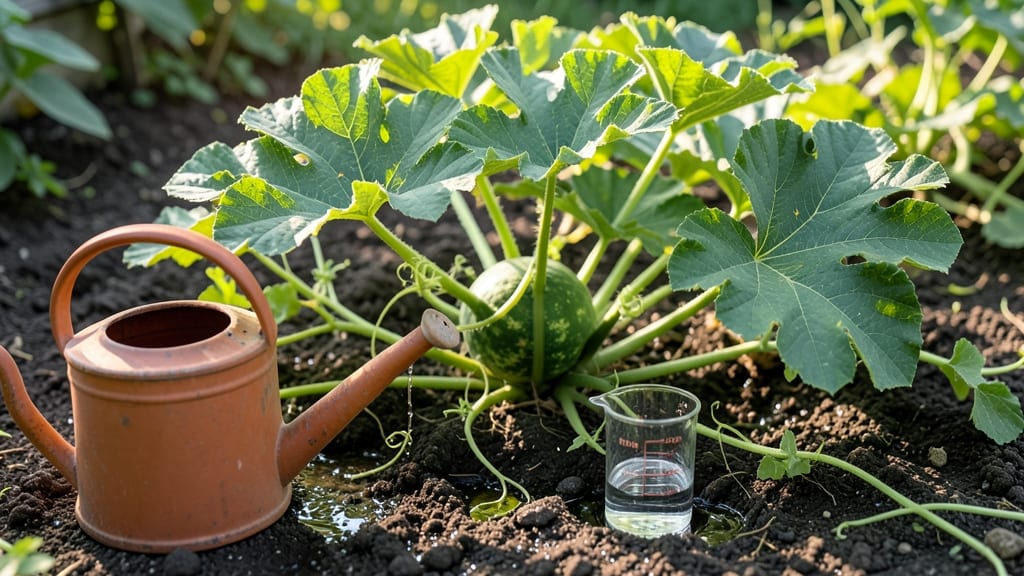
To water watermelon seeds properly, keep the soil evenly moist but never soggy—this balance is the secret to strong, healthy sprouts.
Struggling to get your watermelon seeds to sprout? The key to success lies in mastering the delicate balance of moisture—too little and they dry out, too much and they rot.
Watermelon seeds need consistent hydration, especially in Zone 6a, where spring temperatures can swing wildly. Think of it like a sponge: damp enough to hold water but not soaking that it suffocates the seeds.
Below, I’ll break down the exact watering schedule by day, how to adjust for heat or humidity, and the telltale signs your seeds are getting just the right amount of water.
Watermelon seed germination timeline: watering schedule by day
Getting your watermelon seeds to sprout requires precision—especially with water. The first 5-7 days are critical, as seeds need consistent moisture without becoming waterlogged. I’ve planted hundreds of seeds and learned that overwatering kills seeds faster than underwatering.
Let’s break down the exact schedule by day, including soil moisture levels and environmental factors to watch.
Start by planting seeds ½ inch deep in warm soil (at least 70°F/21°C). Immediately after planting, water gently to settle the soil around the seeds.
The top 1 inch of soil should feel damp, like a wrung-out sponge—not soggy. This is your baseline for the first 3 days of germination.
Day 1-3: Keep soil consistently moist by watering once daily with a spray bottle or gentle stream. Avoid soaking the seeds directly—target the soil around them. Watermelon seeds need high humidity to break dormancy, so a clear plastic dome or humidity tray helps. Check moisture by sticking your finger ½ inch deep; it should feel damp but not wet.
Day 4-7: Reduce watering to every other day if the soil stays damp. This is when seeds begin swelling—look for slight bulges in the seed coats. Overwatering now risks fungal rot, while underwatering can halt germination. If your climate is hot and dry, water lightly every morning to prevent crusting.
| Day | Watering Frequency | Soil Moisture Goal | Environmental Notes |
|---|---|---|---|
| 1-3 | Daily (light mist) | Damp, not soggy | Use humidity dome; avoid direct seed soaking |
| 4-7 | Every other day | Consistently moist | Watch for seed swelling; reduce if soil stays damp |
| 8-10 | Every 3 days | Top inch dry | Sprouts emerge; increase airflow |
| 11-14 | Every 4-5 days | Moderately moist | Seedlings establish roots; monitor for mold |
By Day 8-10, you’ll likely see tiny sprouts breaking the soil surface. This is when you can ease up on watering slightly—now every 3 days—but keep the soil’s top inch slightly dry to prevent rot.
Use your finger to check: if the soil feels dry ½ inch down, it’s time to water. Avoid wetting the seedlings themselves, as this can cause damping-off disease.
If your seeds haven’t sprouted by Day 14, they may need a boost. Try gently re-moistening the soil and placing the tray in a warm, sunny spot.
Some seeds take longer, especially in cooler conditions. Never give up—patience is key! Once sprouts appear, increase airflow by removing any plastic domes to prevent fungal issues.
Environmental factors like high humidity or low temperatures can slow germination. If your home feels dry, use a seedling heat mat (75-85°F/24-29°C) to speed things up.
In hot climates, water more frequently but avoid puddles. Always prioritize consistent moisture over heavy soaking—your watermelon seeds will thank you with strong, healthy starts!
Pro tip: Use a seed-starting tray with drainage holes to control moisture precisely. Fill it with a light, well-draining mix (like 50% peat moss and 50% perlite) to prevent waterlogging. This setup gives you the perfect balance of hydration and airflow for germination success.
Remember, the goal is to keep seeds consistently moist, not drenched. Overwatering is the #1 killer of young seeds, while underwatering stalls growth. Stick to this schedule, and you’ll see those first watermelon sprouts in no time—ready to grow into thriving vines!
💧
Common mistakes that kill watermelon seeds before germination
Watermelon seeds are delicate during germination, and even small watering mistakes can spell disaster. The most critical factor is maintaining consistent moisture without drowning the seeds. Too much water suffocates them, while too little causes them to dry out and fail to sprout.
Understanding these pitfalls will save you from wasted seeds and frustration.
First, let’s tackle the most common issue: overwatering. Many gardeners assume watermelon seeds need constant soaking, but this leads to seed rot and mold. The soil should stay evenly moist—like a wrung-out sponge—not soggy. Overwatering also disrupts oxygen flow, which seeds desperately need to activate their growth processes.
⚠️ callout warning
⚠️ How Often to Water Watermelon Seeds?
Do this: Water once daily with a light mist (1-2 tbsp water) to keep soil consistently moist but never soggy. Use a spray bottle for precision.
Don’t do this: Drench seeds or let soil dry out between waterings. Overwatering = rot, underwatering = no sprouts.
Pro tip: Check soil moisture by touching it—it should feel damp 1 inch below the surface.
On the flip side, underwatering is just as deadly. Seeds need steady hydration to swell and activate. If the soil dries out, even for a day, germination can stall or stop entirely. This is especially true in hot climates or when using sandy soil, which drains moisture quickly.
Soil compaction is another silent killer. When soil is packed down—whether from heavy foot traffic or poor preparation—water can’t penetrate properly. Seeds left in compacted soil suffocate or dry out unevenly.
To fix this, loosen the soil with a fork before planting and mix in compost or perlite to improve drainage and aeration.
Temperature fluctuations also play a sneaky role. If your seeds are planted in cool soil (below 70°F/21°C), they’ll germinate slowly or not at all, even with perfect watering.
Meanwhile, hot soil (above 90°F/32°C) causes seeds to dry out faster. Use row covers or plant in shaded areas during extreme heat to maintain stable moisture levels.
Finally, avoid the temptation to water at night. Evening watering increases the risk of fungal diseases like damping-off, which can wipe out your seedlings before they even emerge. Always water in the morning so excess moisture evaporates during the day.
By avoiding these common mistakes—overwatering, underwatering, compacted soil, and temperature swings—you’ll give your watermelon seeds the best chance to sprout strong and healthy. Keep an eye on those moisture levels, and soon you’ll be watching tiny green leaves push through the soil! 🌱