
Plants
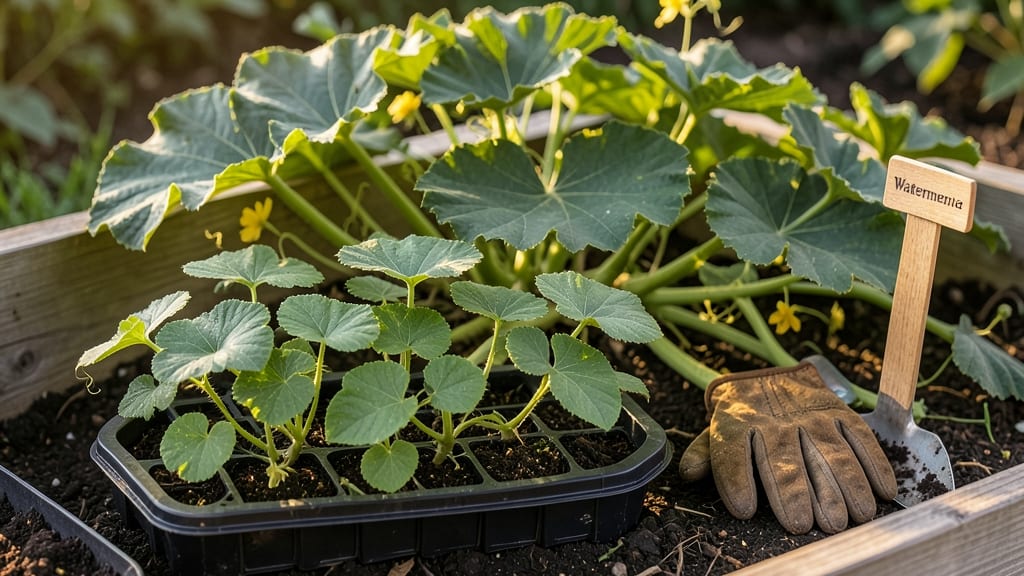
Planting watermelon in Missouri after the last frost — typically mid-April to early May — sets you up for a sweet summer harvest 🍉.
Missouri’s warm summers are perfect for juicy, homegrown watermelons—but planting too early or late can mean bitter disappointment. Timing is everything, and understanding your frost-free zone is the key to a bountiful harvest.
For USDA zones 5b-6b, wait until soil temperatures hit at least 70°F before sowing seeds or transplanting seedlings. This ensures strong root growth and avoids frost damage, which can kill tender vines overnight.
Below, I break down the exact frost-free timeline by region, soil prep tips, and smart techniques to extend your growing season—so you can enjoy that first slice of homegrown watermelon by July.
Missouri watermelon planting dates by USDA hardiness zones (6-7)
Missouri’s USDA Zones 6-7 offer the perfect climate for growing juicy, homegrown watermelons, but timing your planting is critical. The difference between northern Missouri (Zone 6) and southern Missouri (Zone 7) can mean weeks in your frost-free growing window.
To maximize your harvest, I’ll break down the exact planting dates, soil temperature requirements, and optimal transplanting windows for each zone.
Watermelons are warm-season crops that hate frost, so planting too early can stunt growth or kill seedlings. In Missouri, the last average frost date ranges from mid-April in Zone 7 to late April in Zone 6.
However, I always wait until the soil warms to at least 70°F—this ensures strong root development and faster growth. Let’s dive into the specifics for each zone to help you plan your watermelon planting schedule like a pro.
For Zone 6 gardeners in northern Missouri, like those in St. Louis or Columbia, I recommend starting seeds indoors by late March and transplanting after the last frost date.
If you’re in Zone 7, like Springfield or Joplin, you can push your planting window earlier—some years, you can even start seeds outdoors by mid-April. The key is monitoring soil temperatures with a soil thermometer; watermelon seeds won’t germinate well below 70°F.
If you’re transplanting seedlings, I suggest hardening them off for 7-10 days before moving them outside. This means gradually exposing them to outdoor conditions during the day while bringing them back inside at night.
For direct sowing, wait until the soil is consistently 70°F or warmer—this usually aligns with mid-May in Zone 6 and early May in Zone 7. Plant seeds 1 inch deep and 6 inches apart, with rows spaced 3-4 feet apart to give vines room to sprawl.
One critical tip I’ve learned is to avoid planting watermelons in cold, wet soil. If you plant too early and the weather turns cool again, your seedlings will struggle to establish roots.
In my garden, I’ve had the most success by using black plastic mulch to warm the soil faster and retain moisture
How to extend your Missouri watermelon season with smart techniques
Missouri’s short growing season can feel like a race against time for watermelon lovers, but with the right strategies, you can push your harvest window by weeks. The secret lies in protecting seedlings from late frosts and extending the warm season with simple tools.
Even if you miss the traditional mid-April planting window, these techniques will help you grow juicy watermelons until early October.
One of my favorite tricks is using row covers and cold frames to create microclimates that mimic summer conditions. These tools don’t just shield young plants—they also accelerate soil warming, allowing you to plant earlier or keep the season going longer.
For example, a simple floating row cover can raise soil temperatures by 5-10°F, giving your watermelon seeds the boost they need to germinate faster.
Another game-changer is companion planting. Watermelons thrive when paired with plants that deter pests and improve soil health. Try planting marigolds or nasturtiums nearby—their strong scents repel cucumber beetles, a common watermelon enemy.
I’ve also had great success with basil, which not only keeps pests away but also enhances the flavor of the melons.
- 🌡️ Use cold frames to start seeds 4-6 weeks earlier than traditional dates. Place them in full sun and remove covers when soil warms to 70°F.
- 🛡️ Deploy floating row covers until plants are 3-4 inches tall. This protects against late frosts and cucumber beetles.
- 🌿 Try companion planting with marigolds or basil to repel pests and improve growth. Plant near the base of vines for best results.
- 🌡️ Extend the season by 2-3 weeks with black plastic mulch. It warms soil faster and suppresses weeds, giving melons a head start.
- 🌱 Choose early-maturing varieties like 'Sugar Baby' or 'Crimson Sweet', which can be harvested in 60-70 days instead of 90.
Don’t overlook the power of black plastic mulch—it’s one of the most underrated tools in a gardener’s arsenal. By laying down mulch 2-3 weeks before planting, you can raise soil temperatures by 10-15°F, creating the ideal conditions for watermelon seeds to germinate.
Plus, it keeps weeds at bay and retains moisture, reducing your watering workload during Missouri’s hot, dry summers.
If you’re eager to harvest watermelons as late as possible, focus on late-season care. Once fruits start forming, reduce nitrogen-rich fertilizers to prevent leafy growth at the expense of fruit.
Instead, switch to a potassium-heavy fertilizer to boost sweetness and size. I also recommend pruning excess vines to direct energy toward fruit development—this simple step can increase yield by 20-30%.
With these techniques, you can turn Missouri’s challenging climate into an advantage. Whether you’re planting early with cold frames or extending the season with row covers, your watermelon harvest will be bigger, sweeter, and longer-lasting than ever before. Happy gardening! 🍉