
How To
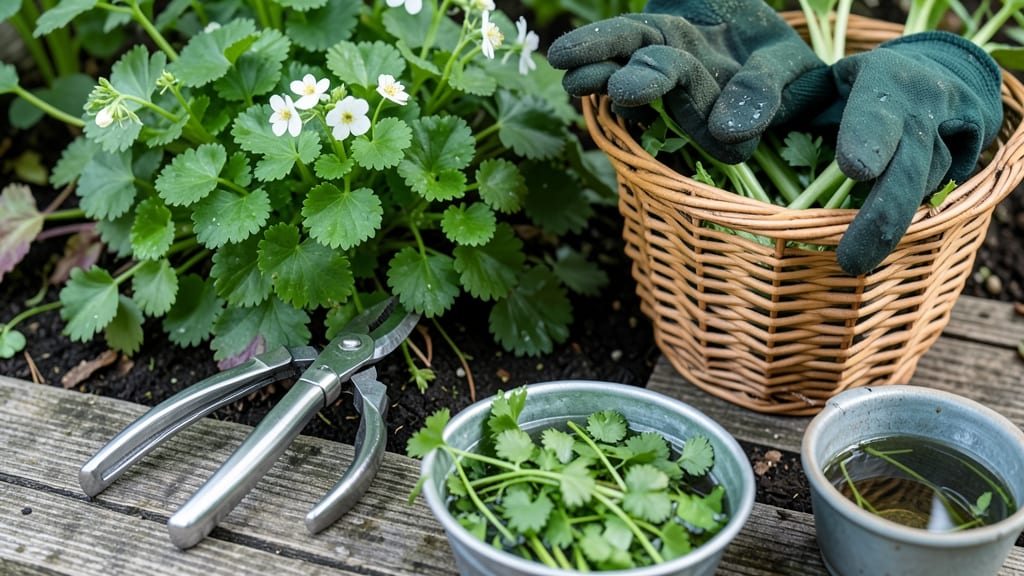
To harvest watercress at its peak flavor and encourage regrowth, timing and technique are everything—cutting too early or too late can turn your superfood into a bitter disappointment.
Picture this: you’ve nurtured your 🌿 watercress for weeks, watching it flourish in shallow water or moist soil, only to wonder if you’re harvesting it just right. The secret lies in knowing when the leaves are tender, how to trim without stunting growth, and how often to return for more.
Get it wrong, and you’ll end up with leggy stems or a plant that refuses to bounce back.
In this guide, I’ll walk you through the perfect harvest window, the tools you’ll need, and step-by-step methods to keep your watercress thriving. Whether you’re a first-time grower or a seasoned gardener, these tips will ensure your crop stays fresh, flavorful, and ready for your next salad.
From recognizing the ideal leaf size to storing your harvest properly, you’ll learn how to maximize yield without sacrificing plant health—so you can enjoy a steady supply of this nutrient-packed green all season long.
When to harvest watercress for peak flavor and optimal regrowth
Timing your watercress harvest correctly ensures maximum flavor and healthy regrowth. Unlike many greens, watercress thrives when harvested young and frequently, but cutting too early or too late can ruin its delicate taste and stunted growth.
The key is watching for visual maturity cues while balancing your harvest schedule with the plant's needs.
Watercress typically reaches harvest readiness 30-45 days after planting, but this varies based on climate, sunlight exposure, and growing conditions. In cooler spring months, it may take slightly longer, while warm summer conditions can speed up growth.
The goal is to harvest before the plant becomes woody or bitter, which happens when leaves mature past their prime.
🌿 How to Know When Watercress Is Ready to Harvest
- 📏 Leaf Size: Harvest when leaves reach 2-4 inches long—this is the sweet spot for tenderness.
- 🌱 Plant Height: Aim for 4-6 inches tall; taller plants risk becoming fibrous or bitter.
- 💧 Stem Thickness: Stems should be thin and crisp, not thick or woody.
- 🌿 Leaf Color: Bright dark green leaves indicate peak flavor; yellowing or pale leaves mean it’s past prime.
- ⏳ Growth Stage: Harvest before flowering—buds signal the plant is shifting energy to reproduction, reducing leaf quality.
Seasonal factors play a huge role in harvest timing. In spring and fall, watercress grows more slowly, so you’ll harvest less frequently—about every 2-3 weeks. During summer’s peak growing season, you can harvest every 10-14 days to keep the plant productive.
If you’re growing watercress in shallow water, it may grow faster and need more frequent harvesting than soil-grown plants.
One common mistake is waiting until watercress becomes overly mature. When leaves grow too large or stems thicken, the flavor becomes bitter and peppery, and the texture turns tough. To avoid this, I recommend setting a harvest schedule based on your plant’s growth rate.
For example, if your watercress reaches harvest size in 3 weeks, plan to harvest every 2 weeks thereafter to maintain consistent regrowth.
Another pro tip: Harvest in the morning when leaves are freshest and most hydrated. This ensures the best flavor and makes the plant bounce back faster after cutting. Avoid harvesting after a heavy rain or when soil is waterlogged, as this can stress the plant and slow regrowth.
Instead, wait until the soil is lightly moist but not soggy.
If you’re new to growing watercress, start with a small test harvest. Cut a few outer leaves and taste them—if they’re mild and slightly peppery, you’re ready for a full harvest.
If they’re too bitter, wait another week before harvesting more. This trial-and-error approach helps you fine-tune your timing for future harvests.
Balancing harvest frequency with plant health is crucial. Over-harvesting can exhaust the plant, leading to sparse regrowth or even death. A good rule of thumb is to never remove more than 1/3 of the plant in a single harvest.
For example, if your watercress patch is 12 inches wide, leave at least 8 inches of growth after harvesting to ensure the plant can recover.
In mild climates, watercress can produce harvests year-round, but in colder regions, it slows down in winter and early spring. During these months, reduce harvest frequency to every 3-4 weeks and focus on protecting the plant from frost.
If your watercress is growing in shallow water, it may tolerate slightly colder temperatures, but soil-grown plants need extra mulch for insulation.
Finally, pay attention to the regrowth response after each harvest. If new leaves sprout within 7-10 days, you’re on the right track. If regrowth is slow or stunted, you may be harvesting too aggressively or the plant needs more nitrogen-rich fertilizer or consistent moisture.
Adjust your approach based on what you observe in your garden.
With the right timing and care, your watercress can provide continuous harvests for months, delivering fresh, flavorful greens straight from your garden. The key is staying observant, patient, and consistent—your plants will thank you with a bountiful, delicious yield! 🥬
Step-by-step watercress harvesting techniques to avoid damage
Harvesting watercress correctly is the secret to a continuous, flavorful crop. Unlike many greens, watercress thrives when you cut rather than pull—this preserves the roots and encourages regrowth zones for future harvests.
The wrong technique can leave your plants stunted, bitter, or even dead, so let’s master the process together.
First, gather your tools: a sharp pair of pruning shears or clean kitchen scissors (sterilized with rubbing alcohol), a bucket of cool water, and a damp cloth for handling. Avoid using your fingers or dull tools, as they can crush stems and invite disease.
Watercress grows best in shallow water or moist soil, so keep its environment stable during harvest.
How to Harvest Watercress Without Damaging the Plant
- Step 1: Identify the Regrowth Zone
Focus on the outer leaves first—they’re fully mature and ready. Leave the inner, younger leaves (near the base) to keep the plant producing new growth. Aim to harvest no more than 1/3 of the plant at once.
- Step 2: Use the Right Cutting Technique
Hold the plant’s stem base firmly and make a clean cut 1-2 inches above the soil line or water surface. Avoid tearing leaves—this can expose the plant to pests and rot. For larger plants, cut individual stems rather than the whole plant.
- Step 3: Sterilize Your Tools Between Cuts
Wipe your shears with rubbing alcohol after every 3-5 cuts to prevent spreading bacterial or fungal infections. This is especially critical if your watercress is growing in shared containers or community gardens.
- Step 4: Handle Leaves Gently
Place harvested leaves in a bucket of cool water immediately to maintain crispness. Avoid stacking or piling them, as this can bruise delicate tissue and lead to spoilage. For storage, pat dry with a damp cloth and refrigerate in a sealed container.
- Step 5: Post-Harvest Care for Regrowth
After harvesting, water the base thoroughly to encourage new shoots. If growing in water, top up with fresh, dechlorinated water. Add a light nitrogen fertilizer (like fish emulsion) to support rapid regrowth, but avoid over-fertilizing, which can cause leaf burn.
One of the biggest mistakes gardeners make is over-harvesting. If you take too much at once, your watercress may bolt (flower prematurely) or develop bitter, tough leaves.
Another common error is using dull tools, which crush stems and invite disease. Always prioritize clean cuts and minimal disturbance to the root system.
For year-round harvests, space your cuts every 2-3 weeks during the growing season. In cooler months, reduce frequency to every 4-6 weeks to let the plant recover and store energy.
If your watercress is growing in shallow water, avoid disturbing the water level during harvest—keep it consistently 1-2 inches deep for best results.
With these techniques, your watercress will stay lush, tender, and productive for months. The key is patience and precision: cut wisely, care for the regrowth zones, and you’ll enjoy a steady supply of fresh, peppery greens all season long. Happy harvesting! 🌿✂️