
Companion Plants
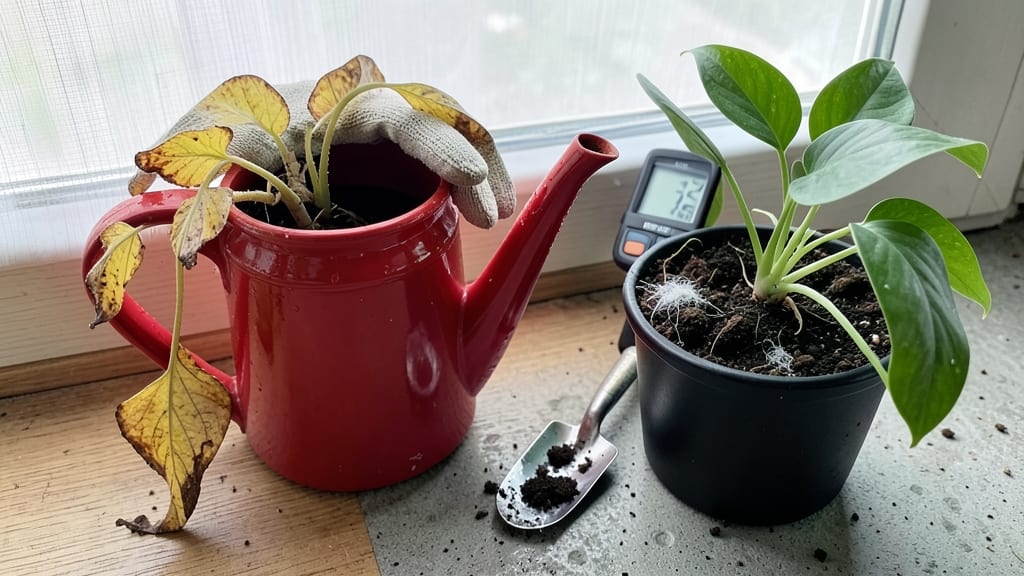
To know if a plant is overwatered, check for yellowing leaves, mushy stems, wilting despite damp soil, mold or fungus growth, and foul smells from the roots. These signs indicate excess moisture suffocating the plant’s roots.
Overwatering is the silent killer of houseplants—it’s easy to drown roots without realizing it. 🌱 The key is understanding what happens underground: when soil stays soggy for too long, roots suffocate from lack of oxygen, leading to those telltale surface symptoms.
I’ve lost count of how many times I’ve pulled a plant from its pot to find roots turning brown and mushy, all because I assumed "more water is better." The good news? Most plants can recover if you catch the problem early and adjust your watering routine.
Different plants have different thirst levels—succulents practically scream for neglect, while ferns thrive in consistently moist soil. That’s why I always recommend the "finger test": stick your index finger about an inch into the soil.
If it feels damp, wait another day. If it’s dry at that depth, it’s time to water. Pro tip: Terracotta pots dry out faster than plastic, so adjust your schedule accordingly.
💡 In This Article
- Root Rot and Soil Conditions in Overwatered Plants
- Quick Fixes for Overwatered Plants and Prevention Tips
Root rot and soil conditions in overwatered plants
When soil stays saturated for more than 48 hours, roots lose access to oxygen—a critical component for cellular respiration. This triggers anaerobic conditions where harmful bacteria and fungi like Pythium and Phytophthora multiply rapidly, causing root rot.
The roots first turn brown at the tips, then spread inward, becoming slimy and black as they decompose. 🌱 What’s shocking is how quickly this happens: some plants show visible distress within just 3-5 days of overwatering, while others may take 2 weeks to exhibit symptoms.
The soil type dramatically affects how quickly overwatering becomes fatal. Clay soil holds water like a sponge, creating waterlogged conditions that suffocate roots within 24-48 hours, while sandy soil drains faster but can still trap moisture near the surface.
Even well-draining potting mixes can fail if pots lack drainage holes—water pools at the bottom, creating a death zone for roots. I’ve seen snapdragons in plastic pots develop root rot in 5 days because the excess water had nowhere to escape.
Here’s the science: plant roots need oxygen to produce energy through cellular respiration. When submerged in water, roots switch to fermentation—a less efficient process that produces ethanol (yes, like in beer!). This toxic buildup weakens the plant, making it more susceptible to diseases.
The telltale foul smell from overwatered soil? That’s often hydrogen sulfide gas—a byproduct of anaerobic decomposition. 💫 This isn’t just unpleasant; it’s a clear warning that your plant’s roots are drowning.
Different plants have varying tolerances for moisture. Ferns and calatheas thrive with consistently damp soil, while succulents and cacti can survive weeks without water. The key is matching your watering schedule to the plant’s native habitat—desert plants hate soggy conditions, while tropical plants crave humidity.
Even a 1-inch layer of mulch can regulate soil moisture by slowing evaporation and preventing extreme temperature fluctuations that stress roots.
Consider this: a 1-gallon pot of soil can hold up to 3-4 pounds of water, depending on its composition. If you water a thirsty plant like a peace lily every 2 days in a pot without drainage, you’re essentially creating a swamp environment.
The roots can’t “breathe,” and within 10-14 days, you’ll see the classic signs of overwatering—yellowing leaves, stunted growth, and that dreaded mushy stem.
One of the most underrated factors is the pot’s material. Terracotta wicks away moisture through its porous walls, while plastic traps humidity. I’ve rescued many overwatered plants by transferring them to terracotta pots—sometimes within 48 hours, the roots show signs of recovery as they gain access to oxygen again.
The lesson? Always match your pot to your plant’s needs. 🌿