
How To
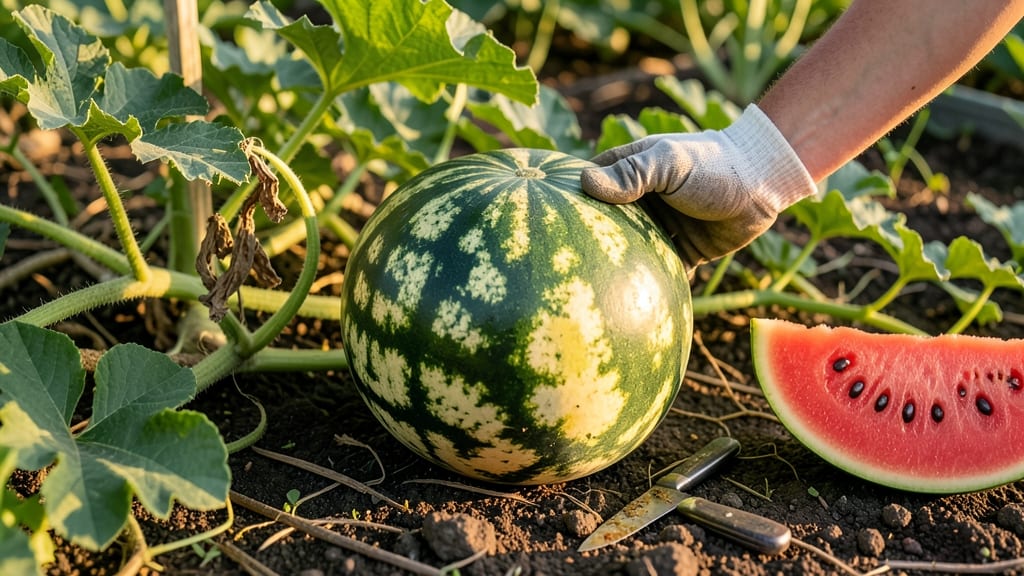
To know if a watermelon is ripe and sweet, you don’t need a guess—just a few simple tricks that reveal the juiciest, most flavorful fruit every time. 🍉
Picture this: you’ve spent weeks growing (or waiting for) the perfect watermelon, only to slice it open and find a bland, watery mess. Frustrating, right?
The good news is that with the right cues—like the thump test, scent check, and strip method—you can avoid that disappointment and always pick a melon packed with sweetness.
Beyond the classic "thump" or "field spot" rules, there are subtle clues most people miss, like rind texture, stem color, and even the melon’s weight. These science-backed methods work whether you’re harvesting from your own garden or selecting from the store shelf.
In this guide, I’ll walk you through every trick in the book—so you can confidently choose (or harvest) a watermelon that’s sweet, ripe, and ready to eat.

5 Proven watermelon ripeness tests: thump, scent, and strip methods explained
Nothing beats slicing into a watermelon that's perfectly ripe—juicy, sweet, and bursting with flavor. But how do you know when you've found that ideal melon? Many gardeners and shoppers rely on old wives' tales, but some of these tricks are actually rooted in real science.
Let me walk you through the most reliable watermelon ripeness tests to help you pick (or harvest) the sweetest fruit every time.
From the classic thump test to the often-overlooked scent check, these methods will transform your watermelon selection process. Whether you're shopping at the grocery store, browsing a farmers' market, or harvesting from your own garden, these techniques will help you avoid the bitter, watery disappointment of an underripe melon.
Why do these tests work? As watermelons ripen, their internal structure changes—water content increases, sugars develop, and the rind hardens. These physical and chemical changes create cues we can detect through touch, sound, and even smell. Let’s break down each method so you can trust your instincts next time you’re faced with a melon dilemma.
Pro Tip: Combine multiple tests for the most accurate results. A single method might give you a hint, but using two or three together will give you confidence in your choice.
| Test Method | How to Perform | Ripe Indicator | What It Means |
|---|---|---|---|
| Thump Test | Tap the watermelon with your knuckles. Listen for a deep, hollow sound. | Dull, hollow thud | Ripe and juicy; internal structure is firm but water-filled. |
| Scent Check | Smell near the stem end. Hold the melon close to your nose. | Sweet, musky aroma | Sugars have developed; a ripe watermelon smells pleasant and sweet. |
| Strip Test | Check the stem end for a creamy yellow or white "field spot." | Creamy yellow/white spot | Natural discoloration where the melon rested on the ground; indicates ripeness. |
| Weight Check | Lift the watermelon—it should feel heavy for its size. | Heavy, dense feel | High water content and developed sugars make ripe melons heavier. |
| Color Uniformity | Inspect the rind for consistent color and dullness. | Dull, even color | A ripe watermelon’s rind loses its shine and becomes uniformly colored. |
The thump test is one of the most famous ways to check for ripeness, but it’s not foolproof on its own. When you tap a ripe watermelon, you should hear a deep, hollow sound.
This indicates the internal flesh is firm and filled with water—key traits of a sweet, juicy melon. However, avoid thumping melons that are too hard or too soft, as both can indicate underripeness or overripeness.
For the scent check, hold the watermelon near your nose and take a deep sniff near the stem end. A ripe watermelon will have a sweet, musky aroma. If it smells bland or sour, it’s likely not ready.
This test works especially well for varieties like Sugar Baby or Crimson Sweet, which are known for their strong fragrance when ripe.
The strip test, or checking for a creamy yellow field spot, is another reliable indicator. This spot forms where the melon rested on the ground while ripening. A ripe watermelon will have a distinct creamy or white-yellow discoloration in this area.
If the spot is still green or absent, the melon likely needs more time on the vine.
Don’t overlook the weight check. A ripe watermelon should feel heavy for its size, thanks to its high water and sugar content. Lift two melons of similar size—if one feels significantly lighter, it’s probably underripe.
This test is especially useful when comparing melons side by side at the market.
Finally, pay attention to the rind’s texture and color. A ripe watermelon’s rind will be dull and uniformly colored, not shiny or streaky. The color should be deep and consistent, with no patches of green.
If the rind is still matte but the melon feels too small or light, it may not be fully ripe yet.
If you’re still unsure after trying these tests, don’t worry—watermelons can continue ripening slightly after being picked, especially if they’re close to ripe. Store them in a cool, dry place for a few days to let nature do its work.
But with these methods, you’ll be slicing into the perfect watermelon in no time!
🍉
Watermelon color and texture clues: what store labels miss
Store-bought watermelons often hide their true ripeness behind plastic wraps and uniform displays. But if you know what to look for beyond the store labels, you can spot a sweet, ripe watermelon like a pro.
The rind color, field spots, and even the stem condition hold secrets that labels never reveal.
Farmers' market melons often shine brighter in color and texture because they're harvested at peak ripeness. Grocery store varieties, however, are frequently picked early to survive shipping—meaning their color and texture won't give away their true sweetness.
That's why decoding these clues can save you from a watery, bland disappointment.
| Clue | What to Look For | Sweetness Indicator |
|---|---|---|
| Rind Color | Deep, consistent color (not patchy) | Mature, sweet flesh |
| Field Spot | Creamy yellow or white spot | Ripe and ready to eat |
| Stem Condition | Dry, brown stem (not green) | Peak ripeness |
| Texture | Slightly rough or dull rind | Fully matured |
| Size | Heavy for its size (not just big) | Juicy, sweet flesh |
Start with the field spot, the creamy yellow or white patch where the watermelon rested on the ground. This spot is nature's ripeness indicator—if it's white or pale yellow, the melon is ripe and sweet. A green or dull spot means it's underripe and likely bland.
Next, examine the rind color. A ripe watermelon has a deep, uniform hue—whether it's striped, solid, or speckled. Patchy or uneven coloring often signals uneven ripeness.
Also, check the stem condition: a dry, brown stem means the melon was left on the vine to fully ripen, while a green stem means it was harvested early.
Don’t overlook the texture of the rind. A ripe watermelon has a slightly rough or dull surface, not a shiny one. Shiny rinds often mean the melon was treated with wax to look fresh but isn’t necessarily ripe.
Finally, pick up the melon—if it feels heavy for its size, it’s packed with juicy, sweet flesh.
Size isn’t everything—some of the sweetest watermelons aren’t the biggest. Focus on the clues above, and you’ll always find a perfectly ripe watermelon, whether at the store or farmers' market. Happy melon hunting! 🍉