
How To
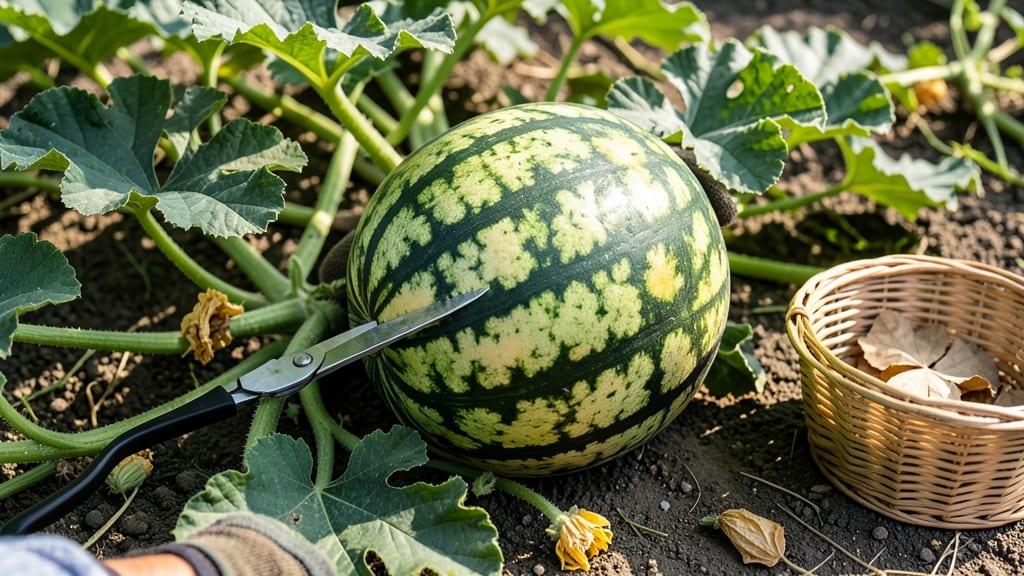
To select a ripe watermelon, you’ll need to go beyond the thump test and check the rind, stem, and sound—because even the heaviest melon can hide a bland surprise inside.
Picture this: you’ve spent all summer growing your own 🍉 or carefully choosing one at the market, only to cut into a mealy, flavorless disappointment. That’s why knowing the real signs of ripeness—like the cream-colored field spot or the hollow thump—makes all the difference.
Ripeness isn’t just about taste; it’s about texture, sweetness, and juiciness. A ripe watermelon should feel heavy for its size, have a dull rind, and sound hollow when tapped near the stem. These tricks work for store-bought and homegrown varieties alike, so you’ll never waste another slice.
Below, I’ll break down the field-tested methods to spot a perfectly ripe watermelon every time—no guesswork required.

The ultimate watermelon ripeness checklist: beyond the thump test
There’s nothing worse than biting into a watermelon that’s either rock-hard or overly mushy—both signs you’ve missed the sweet spot. The thump test is the classic trick, but it’s far from foolproof. Overripe melons can sound hollow, while some unripe ones might trick you with a similar thud.
Let’s dive into the science-backed methods that actually work, so you can confidently pick a watermelon that’s perfectly ripe every time.
Most gardeners and produce experts agree: the best watermelons combine visual cues, physical tests, and even sound analysis. Start by examining the watermelon’s field spot—the creamy-yellow patch where it rested on the ground.
This spot should be a dull cream or yellow color, not white or green. Pair this with other checks to avoid disappointment.
📋 SUMMARY TABLE: How to Select a Ripe Watermelon
| Check | What to Look For | Why It Matters |
|---|---|---|
| Field Spot | Cream or yellowish color | Indicates full ripeness from sun exposure |
| Sound Test | Deep, hollow thump (not dull) | High water content = ripe and juicy |
| Thumbprint Test | Skin springs back slowly | Firmness without hardness = perfect ripeness |
| Weight | Feels heavy for its size | Dense flesh = fully hydrated and sweet |
| Stem Check | Dry, brown, and detached | Natural separation = vine finished nourishing fruit |
The thumbprint test is a game-changer for many gardeners. Press your thumb firmly into the watermelon’s rind. If it leaves a slow-to-bounce-back indentation, the melon is ripe. A quick rebound means it’s still firm but unripe, while no indentation at all suggests it’s overripe or mushy.
This test works best on the darker green stripes of the rind, not the pale green patches.
Don’t overlook the weight factor. A ripe watermelon should feel surprisingly heavy for its size. Lift it—if it’s lightweight, it’s likely underripe with high water content but low sugar.
Meanwhile, an overly heavy melon could be overripe. Balance is key here, so trust your hands as much as your eyes.
The stem check is often overlooked but incredibly telling. If the stem has naturally dried and fallen off, the watermelon was allowed to fully ripen on the vine. If the stem is still attached and green, the melon was likely harvested early and may not be fully sweet.
This is especially common with store-bought melons, which are often picked before peak ripeness for transport.
Finally, let’s debunk the sound test myth. While a deep, hollow thump is ideal, some watermelons—especially smaller varieties—can sound hollow even when unripe. The trick is to listen for depth, not just any hollow sound.
Tap near the field spot; a ripe melon will produce a musical, resonant thud, while an unripe one will sound dull or flat.
Pro tip: Combine all these methods for the best results. For example, if a watermelon passes the field spot and thumbprint test but fails the sound test, it’s likely not fully ripe.
Conversely, if it passes the sound test but has a green field spot, it might still need a few days to sweeten. Use this checklist to cross-reference and make an informed decision.
Next time you’re at the market, grab a few watermelons and put them to the test. With practice, you’ll develop an intuition for spotting the perfectly ripe melon every time—no guesswork required. Your taste buds (and summer picnics) will thank you!
5 Pro tips to avoid overripe or underripe watermelons
One of the biggest mistakes I see at farmers' markets is relying only on the thump test—a trick that works about 50% of the time. Store-bought watermelons often sound hollow even when underripe because they’re picked early and shipped long distances.
Instead, combine three key checks: the field spot, seed color, and stem condition, for foolproof results every time.
Seedless watermelons can be especially tricky because their internal seed patterns don’t follow the same ripeness rules as traditional varieties. A ripe seedless melon will still have a cream-colored field spot and a dull rind, but its seeds (if any) will be fully developed rather than white or translucent.
This visual cue is often overlooked but makes a huge difference in taste.
Timing matters too—watermelons ripen fastest in late summer heat (July-August). If you’re shopping in June, you’re more likely to find underripe melons, while September purchases risk overripe ones. Aim for mid-summer purchases when melons have had time to fully mature on the vine.
⚠️ callout warning ⚠️
- Mistake: Picking melons with green field spots (the cream/yellow patch where it rested on the ground). Fix: Look for a fully cream or yellow spot—this means full sun exposure and ripeness.
- Mistake: Assuming dark green rinds mean ripeness. Fix: Ripe watermelons have dull, matte rinds—not shiny or waxy.
- Mistake: Ignoring the stem condition. Fix: A dry, brown stem indicates the melon was naturally harvested, while a green stem means it was forced off the vine (often underripe).
- Mistake: Buying pre-cut watermelons without checking seed color. Fix: Dark seeds = ripe; white seeds = underripe. Seedless varieties should have fully developed red flesh.
💡 Pro Tip: Weigh your watermelon—ripe ones feel heavy for their size due to high water content.
Pre-cut watermelons at grocery stores are another story. Many are pre-maturely sliced to extend shelf life, so their ripeness is impossible to judge after cutting.
When buying pre-cut, look for deep red flesh (not pale or white) and no watery spots—these are your best indicators of ripeness in pre-packaged melons.
Don’t overlook the symmetry test either. A perfectly round watermelon isn’t always the ripest—uneven shapes often mean the melon grew naturally on the vine. Instead, check for a slightly asymmetrical shape with a deep belly button (the spot where it attached to the vine).
This shape usually means better sweetness and fewer seeds.
Finally, store your watermelon properly to extend its freshness. Place it in a cool, dry place (not the fridge until ready to eat) and avoid stacking—this prevents overripe spots from bruising others. If you’re not eating it within a week, cut it and freeze the cubes for smoothies or salads.