
Planting
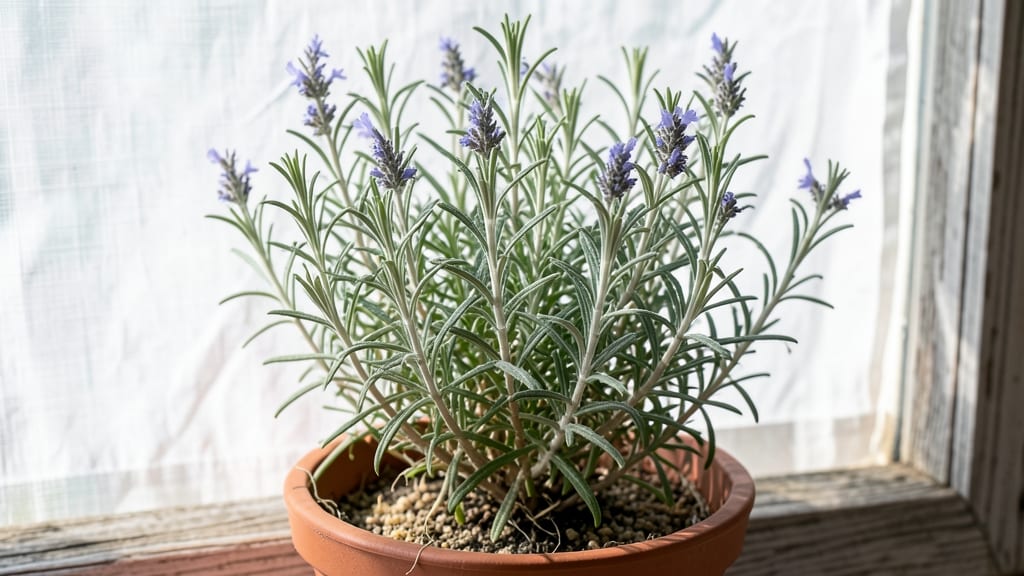
A rosemary plant is a perennial in USDA hardiness zones 8-10, where it thrives year-round with minimal care. In colder regions, it must be treated as an annual or brought indoors during winter to prevent frost damage.
A rosemary plant's perennial status depends entirely on your climate. 🌿 Native to Mediterranean regions, it naturally endures mild winters but struggles when temperatures drop below 20°F.
That's why gardeners in zones 7 and below often pot their rosemary in fall, moving it to a sunny indoor spot until spring. The key difference lies in its woody stems—while established plants in warm zones regrow from protected roots, cold snaps can kill back unprotected plants in colder areas.
Even experienced growers sometimes lose outdoor rosemary to unexpected late frosts, making winter prep just as important as summer planting.
What sets rosemary apart from other perennials is its ability to regenerate quickly from its base once temperatures warm. Pruning before winter encourages new growth in spring, while mulching with straw or pine needles adds an extra layer of insulation.
I've seen rosemary bounce back from near-total freeze damage when given proper care—it's all about understanding its native growing conditions and adapting them to your local climate.
💡 In This Article
- Rosemary Plant Hardiness Zones Explained
- Winter Survival Tips for Cold-Climate Rosemary
Rosemary plant hardiness zones explained
Rosemary's perennial nature stems from its Mediterranean origins, where it evolved to thrive in USDA hardiness zones 8-10—areas with mild winters and hot, dry summers. The plant's woody stems and deep root system allow it to store moisture and nutrients, which is crucial for surviving the region's seasonal fluctuations.
In these zones, rosemary can grow 3-5 feet tall and live for decades with minimal intervention, as its natural resilience adapts to temperatures as low as 10°F when established.
The key to rosemary's survival lies in its evergreen nature and ability to regenerate from its base. Unlike annuals, its roots remain dormant but alive during winter, ready to sprout new growth when temperatures rise above 40°F.
This is why you'll often see rosemary plants in coastal California or Mediterranean climates looking lush even after frost—because their roots are protected by the soil's insulating properties. The plant's aromatic oils also act as a natural antifreeze, preventing cellular damage during brief cold snaps.
However, rosemary's tolerance has limits. While mature plants in zone 8 can handle 10-15°F without major damage, younger plants or those in zone 7 and below face serious risks when temperatures drop below 20°F. The science behind this involves the plant's xylem tissue, which transports water and nutrients.
When frozen, this tissue ruptures, cutting off the plant's ability to absorb moisture—a fatal blow if sustained for more than a few hours. This is why gardeners in colder zones must take extra precautions.
What most people don't realize is how rosemary's growth habit affects its cold hardiness. The plant's upright, woody stems create a natural windbreak, reducing heat loss during cold nights. But when these stems are damaged by frost, the plant loses its protective structure.
That's why pruning 1/3 of the plant in late summer encourages bushier growth, which is more resilient to cold. This technique mimics rosemary's natural growth pattern in its native habitat, where it grows in dense, protective clumps.
Consider these key factors when assessing your rosemary's hardiness:
- Zone 8: Can survive 10-15°F with proper mulching (3-4 inches of organic material)
- Zone 9: Thrives year-round with minimal protection, but may need winter watering
- Zone 10: Grows as a true perennial with no winter care beyond regular pruning
In zones 7 and below, rosemary behaves more like a tender perennial—it can survive one winter if properly protected, but repeated cold exposure will eventually kill it. The critical threshold is 20°F: below this, even mature plants may suffer irreversible damage to their root systems.
This is why indoor overwintering becomes essential in colder climates, allowing the plant to maintain its perennial growth cycle artificially.