
Flowers
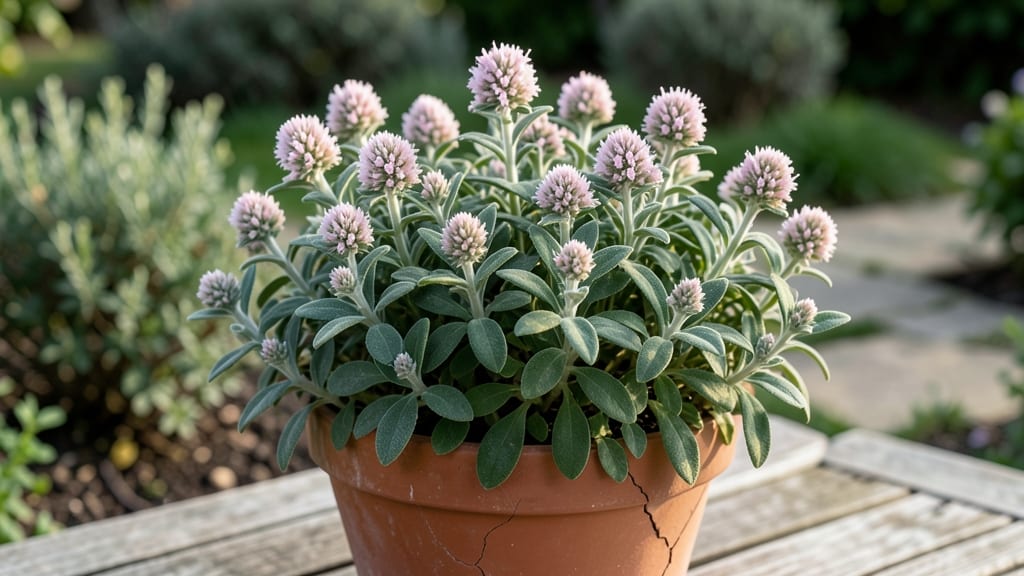
Italian oregano is indeed a perennial plant in USDA zones 5-10, capable of returning year after year with consistent care, though it may enter dormancy during winter months before fresh growth emerges in spring. Unprotected exposure to temperatures below 10°F can seriously harm or kill the plant.
This hardy herb thrives as a perennial because its root system remains alive underground during winter, even when above-ground foliage dies back. 🌱 The key to its longevity lies in how well it adapts to seasonal changes—once established, Italian oregano often outlasts annual varieties by several years.
In colder zones, providing winter protection like mulch or moving potted plants indoors can make all the difference between a thriving perennial and a lost crop.
What many gardeners don't realize is that Italian oregano's hardiness varies by cultivar—some varieties handle colder snaps better than others. For example, the 'Sissinghurst' variety often survives down to 5°F with proper mulching, while standard types may need extra care.
The plant's ability to regrow from roots each spring makes it a favorite for Mediterranean-style gardens, where it can spread and self-seed over time.
💡 In This Article
- Understanding Italian Oregano’s Perennial Growth Cycle
- Extending Italian Oregano’s Lifespan in Cold Climates
Understanding Italian oregano’s perennial growth cycle
Italian oregano (Origanum vulgare hirtum) behaves as a true perennial because its root system remains dormant but alive through winter, even when above-ground growth dies back. This underground network stores carbohydrates and nutrients, fueling rapid regrowth once temperatures rise above 50°F in spring.
The roots can survive 10-15°F without protection, but prolonged exposure below 10°F risks root damage or death. 🌱
The plant's growth cycle follows distinct seasonal patterns: it establishes vigorously in spring, blooms in late summer, and enters dormancy by fall. In USDA zones 7-10, Italian oregano often remains evergreen or semi-evergreen, while in zones 5-6, it typically loses foliage completely.
What sets it apart from annuals is its ability to regenerate from the same root system year after year, sometimes for 5-10 years with proper care.
Regrowth triggers occur when soil temperatures reach 55-60°F and daylight increases, stimulating root activity. You'll notice new shoots emerging from the base in early spring, often within 2-3 weeks of warm weather.
The plant's hardiness varies by region—Northern European varieties often handle colder winters better than Mediterranean strains, which prefer milder climates.
Here's what happens beneath the soil during winter dormancy: the roots continue slow metabolic processes, conserving energy while avoiding frost damage. This survival mechanism is similar to how other Mediterranean perennials like rosemary adapt—both store energy and prioritize root protection over foliage preservation. 💛
One fascinating aspect is how Italian oregano's growth responds to pruning. Cutting back plants in early spring stimulates bushier, more productive growth, while late-season pruning encourages stronger root development before winter. This dual-purpose approach explains why well-maintained plants often outlive neglected ones by several years.
The plant's natural spread also contributes to its perennial nature. Italian oregano spreads via underground runners, creating dense patches that can persist for decades. In ideal conditions (zones 8-10), it may even become invasive, forming thick mats that suppress weeds naturally.
This aggressive growth habit makes it a favorite for gardeners seeking low-maintenance, long-term herb solutions.
For those in marginal zones (like zone 5), understanding this cycle is crucial—it explains why some plants survive winters while others fail. The difference often comes down to soil preparation, winter mulching, and selecting hardier cultivars.
With proper care, Italian oregano can indeed become a permanent fixture in your garden landscape. ✨