
Aphids
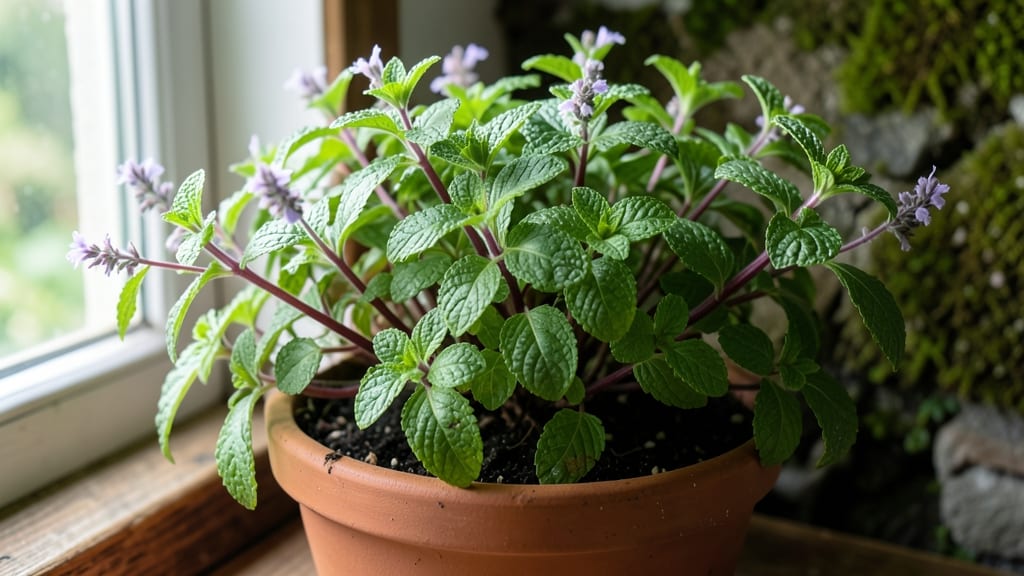
Mojito mint qualifies as a perennial in warm climates (USDA zones 9-11), where it grows continuously year-round. In colder regions, it dies back to its roots each winter but reliably regrows from rhizomes when temperatures warm again.
This herb's perennial nature depends entirely on your climate.
In frost-free zones, mojito mint thrives as a true perennial, sending up fresh growth without interruption. 🌱 However, in colder areas (USDA zones 8 and below), it behaves like a semi-perennial—its underground rhizomes store energy through winter, then burst back to life in spring.
The key difference lies in how it handles dormancy: while it won't survive freezing soil indefinitely, proper winter care can extend its lifespan for years.
What sets mojito mint apart from other perennials is its aggressive rhizome system. These underground stems spread horizontally, creating a network that stores nutrients and water. When spring arrives, the rhizomes send up new shoots, often within weeks of thawing.
This makes it particularly resilient compared to annual varieties that would need replanting each season.
The trade-off? In colder climates, you'll need to protect it during winter—whether through mulching, container growing, or even bringing pots indoors. Without these precautions, the plant may not regenerate as vigorously each spring. But with the right care, you can enjoy fresh mojito mint harvests for multiple growing seasons.
💡 In This Article
- Mojito Mint’s Perennial Growth Cycle Explained
- How to Overwinter Mojito Mint in Cold Climates
Mojito mint’s perennial growth cycle explained
Mojito mint (Mentha × villosa) thrives as a true perennial in USDA zones 9-11 because its rhizomatous root system stores energy year-round. These underground stems, which can spread 12-24 inches annually, act like natural batteries—storing carbohydrates and moisture to fuel regrowth.
In frost-free climates, the plant continuously produces new shoots, creating that lush, minty carpet you see in tropical gardens. The key difference from annual mints lies in this underground network: while annual varieties die completely after harvest, mojito mint's rhizomes remain dormant but viable.
The plant's cold hardiness drops dramatically below zone 8. When temperatures fall below 20°F, the above-ground growth dies back, but the rhizomes survive if protected. Here's the science: as temperatures drop, the plant undergoes dormancy, where metabolic processes slow dramatically.
The rhizomes contain 10-15% starch reserves that sustain them through winter, similar to how potatoes store energy. In zone 8, partial winter kill can occur, while in zones 7 and below, the rhizomes often freeze without protection.
This is why mojito mint behaves as a semi-perennial in cooler areas—it needs human intervention to persist.
What makes this particularly interesting is how the plant's growth cycle mirrors tropical patterns. In warm climates, mojito mint grows continuously, with new shoots emerging every 4-6 weeks from spring through fall. The leaves remain tender and aromatic year-round, perfect for continuous mojito-making.
In contrast, northern growers experience a 6-8 week dormancy period each winter, during which the plant appears dead above ground but remains alive below. This dormancy is triggered by photoperiod changes (shorter days) and temperature drops below 50°F.
One fascinating adaptation is how mojito mint's rhizomes avoid freezing through a process called supercooling. The plant produces natural antifreeze proteins that lower the freezing point of its cell fluids by upstrong>2-3°F. This allows the rhizomes to survive brief freezes that would kill other perennials.
However, prolonged sub-zero temperatures (below -5°F) will eventually overcome this protection, which is why zone 8 gardens often need winter protection like thick mulch or row covers.
The plant's perennial status also affects its harvest cycle. In warm climates, you can harvest leaves continuously, but in cooler zones, harvesting should stop by late summer to allow the plant to build rhizome reserves.
I've seen gardeners in zone 8 extend their harvest season by 4-6 weeks by using cold frames or low tunnels, creating a microclimate that delays dormancy. The trade-off is that the plant may produce slightly smaller rhizomes, potentially reducing its vigor for the next growing season.
For those curious about propagation, mojito mint's rhizomatous nature makes it incredibly easy to spread. Simply divide the clumps in early spring when new shoots appear, and each division will establish quickly.
This is one reason why mojito mint often becomes invasive in warm climates—its rhizomes can spread 3 feet in a single growing season if unchecked. In cooler climates, this same trait becomes an asset for gardeners who want to establish permanent patches with minimal effort.
Understanding this growth cycle helps explain why mojito mint performs so differently across regions. In Florida or California, it's a low-maintenance perennial that rewards gardeners with continuous harvests.
In New England, it's a seasonal treasure that requires more attention but still delivers fresh mint for cocktails and cooking when it returns each spring.
The plant's adaptability makes it one of the most rewarding herbs for gardeners in varied climates—if you're willing to adjust your expectations based on your zone. 🌿