
Flowers
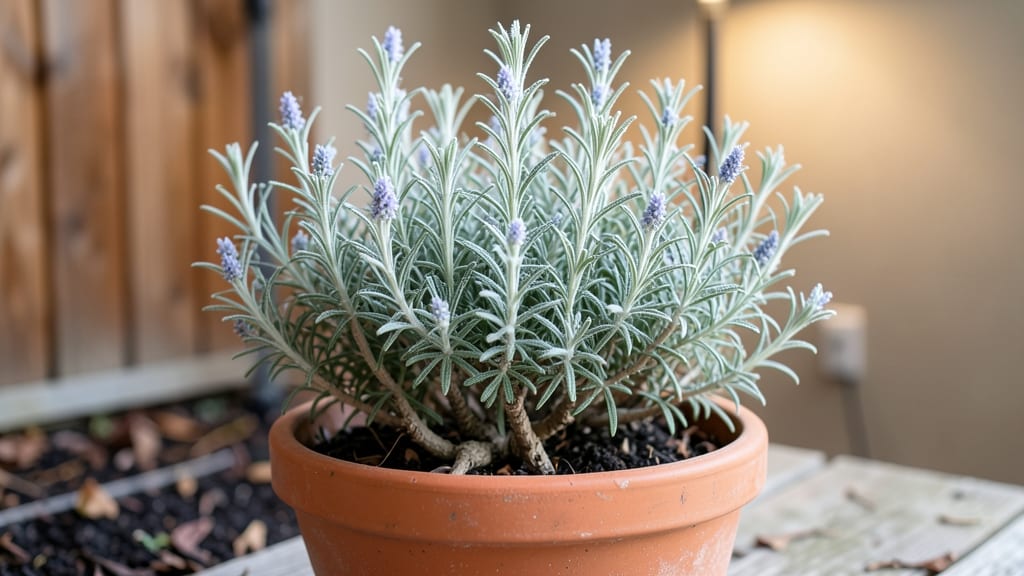
Rosemary herb is a perennial in USDA zones 7-10, surviving multiple years with proper care, though it may die back in colder winters only to regrow from its woody base. In colder climates, it’s often grown as an annual or overwintered indoors.
Rosemary's perennial status depends on your climate—it thrives as a hardy, long-lived plant in warmer zones but needs special care elsewhere. 🌿 The key lies in its woody stems, which store nutrients and allow regrowth even after frost kills the top growth.
In colder regions, gardeners often treat rosemary as an annual or move potted plants indoors to protect the roots during winter. This evergreen shrub's ability to bounce back makes it a rewarding plant for patient growers.
What sets rosemary apart is its resilience: while it may look dead in winter, the roots remain alive beneath the soil, ready to sprout new growth when temperatures rise.
This dieback-and-regrowth cycle is why rosemary qualifies as a perennial even in marginal climates—with the right strategies, it can live for years beyond its first planting.
💡 In This Article
- Rosemary’s Perennial Nature Explained by Climate Zones
- Growing Rosemary as a Perennial: Year-Round Care Tips
Rosemary’s perennial nature explained by climate zones
The rosemary plant's perennial status hinges on its native Mediterranean hardiness, which translates to thriving in USDA zones 7-10 where winter temperatures rarely drop below 10°F. In these zones, rosemary's woody stems act as natural storage organs, containing nutrients and moisture that sustain the plant through seasonal changes.
This woodiness is what distinguishes rosemary from annual herbs—its ability to regenerate from the base rather than relying on seed propagation.
In colder climates (zones 5-6), rosemary's survival mechanism shifts dramatically. While the top growth may brown and appear dead when temperatures fall below 20°F, the roots and woody base often remain viable.
This dieback occurs because rosemary's native habitat experiences mild winters, and its cells contain antifreeze proteins that prevent ice crystal formation in tissues. However, prolonged exposure to freezing temperatures can kill the crown, forcing gardeners to implement protective measures.
The key to understanding rosemary's perennial nature lies in its growth cycle. In warmer zones, it grows continuously, reaching heights of 3-5 feet with proper care. In colder regions, the plant enters dormancy, conserving energy until spring when new shoots emerge from the base.
This regrowth capability is why rosemary qualifies as a perennial—even if it appears dormant, the plant's biological systems remain active underground.
Botanically, rosemary's resilience comes from its classification as a semi-evergreen shrub in the Lamiaceae family. Unlike true evergreens that maintain foliage year-round, rosemary sheds some leaves in winter but retains its woody structure. This adaptation allows it to survive harsh conditions while still providing culinary benefits.
The plant's ability to regenerate from old wood makes it particularly adaptable compared to other herbs that die back completely each year.
For gardeners in marginal zones (6-7), the difference between annual and perennial growth often comes down to winter protection. Without intervention, rosemary may survive only one season, but with proper mulching or container protection, it can live for decades.
This dual nature—appearing dead but biologically active—is what makes rosemary such an intriguing perennial for cold-climate gardeners.
Consider this comparison: In zone 8, rosemary grows vigorously year-round, while in zone 5, the same plant might need winter mulch to survive.
The botanical difference is the same—it's the environmental conditions that change the growing strategy. 🌟 This adaptability is why rosemary remains one of the most rewarding herbs for long-term cultivation.