
Flowers
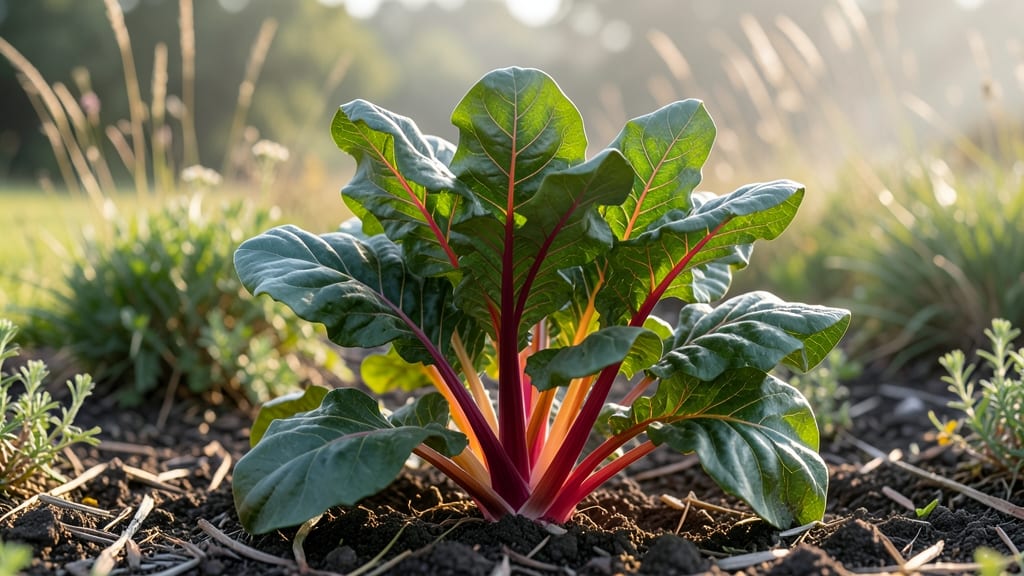
Swiss chard can be a perennial in USDA zones 5-10, though gardeners frequently treat it as a biennial or annual because its cold sensitivity and heat-induced bolting limit its long-term growth. With proper winter protection and care, it may regrow for multiple seasons.
Technically, Swiss chard is a hardy biennial that can act like a perennial in the right conditions. 🌱 Unlike true perennials such as kale, it rarely survives more than two years without intervention, especially in colder or hotter zones.
The key to extending its life lies in protecting it from extreme temperatures—mulching heavily in winter and providing shade during summer heat waves can make a huge difference in its longevity.
Many gardeners choose to replant Swiss chard annually because the plant's energy often shifts toward seed production (bolting) rather than leaf growth when stressed.
However, if you're willing to invest a little extra effort in winterizing and harvesting strategically, you can coax it into producing edible leaves for several seasons in a row.
💡 In This Article
- Swiss Chard’s Perennial Growth Cycle Explained
- Extending Swiss Chard’s Life: Zone-Specific Survival Tips
Swiss chard’s perennial growth cycle explained
Swiss chard is a biennial plant with perennial tendencies, meaning it completes its life cycle in two years under ideal conditions but can regrow for multiple seasons if protected.
The key difference from true perennials like kale lies in its cold hardiness threshold—Swiss chard typically survives winters down to 15°F (-9°C) in zones 5-10, but prolonged exposure to -5°F (-21°C) or below can be fatal.
Unlike kale, which stores energy in its roots for regrowth, Swiss chard relies on its basal leaves and crown, making it more vulnerable to freeze damage.
Here's what happens in its growth cycle: In its first year, Swiss chard focuses on leaf production, sending energy to the crown rather than flowering. When temperatures drop below 40°F (4°C), the plant enters dormancy, but it won't die if protected with 4-6 inches of mulch (10-15 cm).
The real challenge comes in spring when warm weather triggers bolting—the plant's shift from leaf production to seed formation. This process accelerates when daytime temperatures exceed 70°F (21°C) for prolonged periods, which is why it's often treated as an annual in hotter zones.
What most gardeners don't realize is that Swiss chard can regrow after being cut back aggressively, unlike many annuals. When you harvest outer leaves, the plant redirects energy to the center, often producing new growth within 2-3 weeks if soil temperatures remain above 50°F (10°C).
This regrowth ability is why it behaves like a perennial in temperate climates—if you protect it through winter and avoid bolting triggers, you can harvest for 3-4 seasons from a single planting.
The science behind this involves photoperiodism—the plant's response to daylight length. Short-day plants like Swiss chard bolt when day lengths exceed 14 hours of sunlight, which happens in summer. In contrast, true perennials like kale have evolved to tolerate these conditions better, storing more energy in their roots.
Swiss chard's thinner stems and less robust root system explain why it's often grown as an annual in less forgiving climates.
Consider these key factors when evaluating its perennial potential:
- Zone hardiness: Zones 5-10 offer the best chance for overwintering, with zone 7 being ideal (average winters between 10-25°F (-12 to -4°C))
- Harvest timing: Avoid cutting back after mid-summer in hot climates to prevent bolting
- Soil protection: Heavy mulching (straw or leaves) prevents crown heave during freeze-thaw cycles
The texture difference between true perennials and Swiss chard becomes apparent in their regrowth patterns. While kale might produce new leaves within 10 days of cutting, Swiss chard's larger leaves take 2-3 weeks to recover fully, making it more sensitive to timing.
This slower recovery is why many gardeners prefer annual plantings in colder regions where winter survival isn't guaranteed.