
Watering
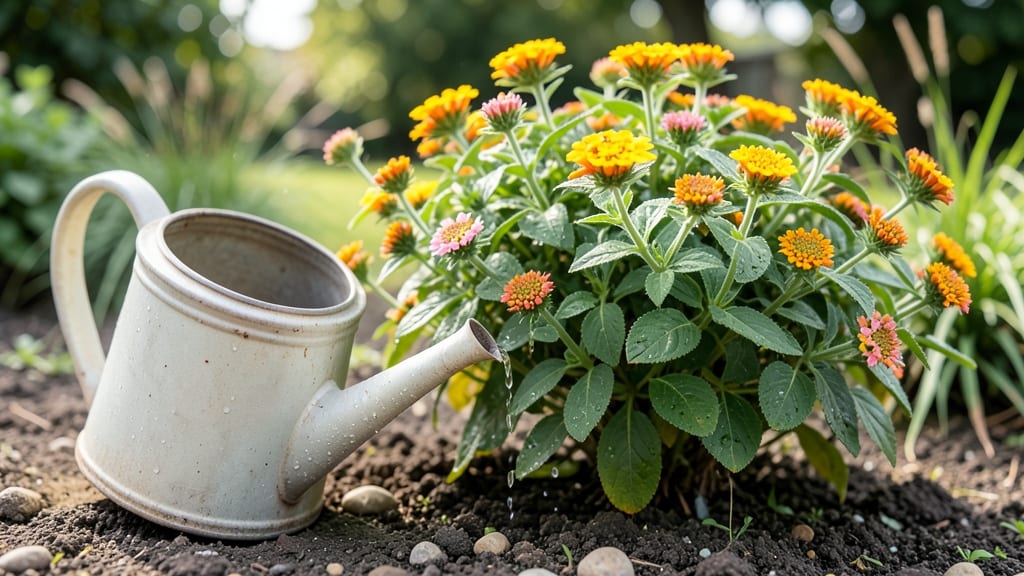
To meet the lantana water requirements, give your 🌺 just enough moisture to keep it thriving without drowning its roots—because these tough shrubs hate soggy soil more than they love frequent watering.
Struggling to keep your lantana thriving without overwatering? These drought-resistant shrubs can survive on neglect—but only if you follow the right watering schedule for lush, continuous blooms.
Too little water, and the leaves turn crispy at the edges. Too much, and the roots rot before you even notice. The key is balancing moisture so your lantana stays vibrant and blooms all season long.
Here’s how to water your lantana for optimal growth, including seasonal adjustments, signs of stress, and techniques to keep it healthy year-round.
How often to water lantana for optimal growth and blooming
Lantana plants are often called drought-tolerant superstars because they thrive with minimal watering once established. However, overwatering kills lantana faster than underwatering—so striking the right balance is key. The secret lies in understanding seasonal needs and soil moisture levels to keep those vibrant blooms coming all season.
I’ve learned through years of gardening that lantana water requirements change dramatically with the seasons. In summer’s scorching heat, your lantana might need watering every 2-3 days, while in winter dormancy, bi-weekly watering could be enough.
Let’s break down the perfect schedule to keep your lantana lush and blooming.
🌺 Pro Tip: Always water at the base of the plant in the morning to prevent fungal diseases. Avoid wetting the foliage, as lantana’s leaves are susceptible to powdery mildew when damp.
| Season | Watering Frequency | Soil Moisture Goal | Key Signs to Watch |
|---|---|---|---|
| Spring | Every 3-4 days | Lightly moist (top 1-2 inches dry) | New growth appears, buds form |
| Summer | Every 2-3 days | Moderately moist (top 2-3 inches dry) | Drooping leaves if thirsty, wilted buds |
| Fall | Every 5-7 days | Lightly moist (top 2-3 inches dry) | Slower growth, fewer blooms |
| Winter | Bi-weekly (every 2 weeks) | Nearly dry (top 3-4 inches dry) | Dormant foliage, no new growth |
| Clay Soil | Every 5-7 days | Keep top 3 inches dry | Yellow leaves = overwatering |
| Sandy Soil | Every 2-3 days | Top 1 inch dry | Dry, crispy leaves = underwatering |
In spring, your lantana is waking up from dormancy and needs a gentle watering boost to encourage new growth. Water every 3-4 days and watch for buds forming—this is your cue that you’re on the right track.
If the soil stays soggy for more than a day, reduce watering immediately to avoid root rot.
When summer heat rolls in, lantana’s water needs increase dramatically. I’ve seen lantana plants wilt within hours during heatwaves if not watered properly.
Aim for deep watering every 2-3 days, soaking the soil until water drains out the bottom. Morning watering is critical—it gives roots time to absorb moisture before the sun evaporates it.
As temperatures drop in fall, your lantana will naturally slow its growth. This is the perfect time to reduce watering frequency to every 5-7 days.
The goal is to keep the soil lightly moist but not saturated. Overwatering in fall can lead to fungal issues as the plant prepares for dormancy.
During winter, most lantana varieties enter dormancy, especially in USDA Zones 7 and below. At this point, watering should be minimal—just enough to prevent complete desiccation.
I’ve found that bi-weekly watering is sufficient, and you can even let the soil dry out completely between sessions. Yellowing leaves in winter are normal, but mushy stems signal overwatering.
Soil type plays a huge role in how often you should water lantana. Plants in clay soil need less frequent watering because clay retains moisture longer. Water every 5-7 days and check for yellow leaves, which indicate overwatering.
On the other hand, sandy soil drains quickly, so you’ll need to water every 2-3 days to keep the top inch moist.
One of the most common mistakes I see is watering lantana on a strict schedule without checking soil moisture. Instead, stick your finger 1-2 inches into the soil—if it feels dry, it’s time to water.
This method prevents both overwatering and underwatering, ensuring your lantana stays healthy. Drooping leaves or wilted buds are clear signs your plant is thirsty, while yellowing foliage or mushy stems mean you’re giving it too much love.
For container-grown lantana, the rules change slightly because pots dry out faster. Water every 2-3 days in summer and reduce to every 5-7 days in cooler months.
Always ensure your container has drainage holes to prevent root rot—a lesson I learned the hard way with my first lantana plant! Mulching
Best watering techniques to prevent root rot in lantana plants
Lantana plants are famously drought-tolerant, but even they need the right watering approach to avoid root rot and other moisture-related issues. The key lies in deep watering combined with proper soil drainage—never letting the roots sit in soggy conditions.
I’ve learned through trial and error that shallow, frequent watering is a fast track to fungal problems, while the right technique keeps lantana thriving with vibrant blooms year after year.
Start by checking your lantana’s soil moisture before watering. Stick your finger about 2 inches into the soil—if it feels dry at that depth, it’s time to water. Overwatering is the #1 cause of root rot in lantana, so always prioritize letting the top layer dry out between sessions.
In hot climates, this might mean watering every 2-3 days, while cooler seasons can stretch that to 5-7 days.
⚠️ Lantana Water Requirements Warning
Lantana roots hate soggy soil. Even drought-tolerant varieties need well-draining soil—amend heavy clay with perlite or sand if needed. Never water at night (fungal risk) and always use a soaker hose or drip irrigation to deliver water deeply at the base, not overhead.
🌱 Signs of Overwatering: Yellow leaves, mushy stems, or white fungal growth on soil.
For optimal results, I recommend mulching around your lantana with 2-3 inches of organic mulch like shredded bark or straw. This helps retain moisture while preventing soil compaction, which improves drainage. Just keep the mulch 2 inches away from the stem to avoid rot.
In containers, ensure pots have drainage holes and use a fast-draining potting mix—lantana in tight, waterlogged pots will show wilting leaves within days.
Adjust your watering habits based on your local climate. In humid areas, reduce frequency to prevent fungal diseases, while arid regions may need more frequent deep watering. Always water in the early morning to allow foliage to dry before evening humidity sets in.
Pro tip: Group lantana with other drought-tolerant plants like lavender or succulents to create a low-maintenance watering zone.
Common mistakes include skipping soil checks or assuming "more water = more blooms." Lantana responds best to consistent moisture levels, not excess. If you notice yellowing leaves or stunted growth, cut back on watering immediately and let the soil dry out completely for a week.
With the right approach, your lantana will reward you with non-stop blooms all season long.
Remember, lantana’s beauty lies in its resilience—but even tough plants need your attention. By mastering these watering techniques, you’ll keep root rot at bay and enjoy a thriving lantana that’s the star of your garden. Happy gardening! 🌺