
Planting
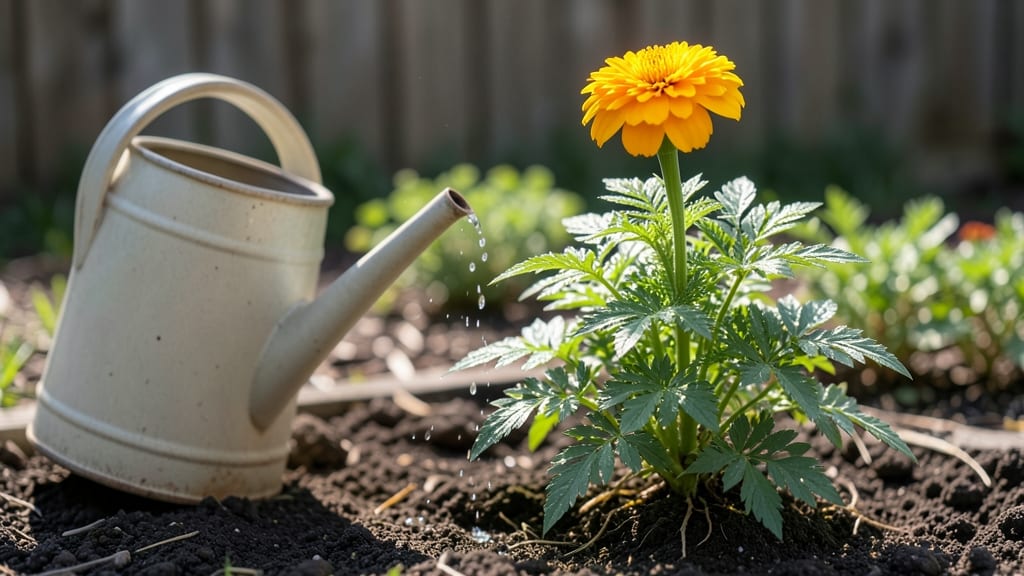
Watering your marigold plant correctly is the key to vibrant blooms and healthy growth—avoid soggy soil or thirsty roots with this foolproof schedule.
Struggling to keep your marigolds 🌼 vibrant and blooming? Overwatering or underwatering can turn your golden beauties into sad, wilted plants—fast. The secret lies in a precise watering schedule that balances hydration without drowning roots.
In Zone 6a, where spring planting kicks off in April, marigolds need about 1 cup of water every 3-5 days—but summer heat demands daily checks. Containers dry out faster than in-ground plants, so adjust accordingly.
Below, you’ll learn how to read your soil, spot trouble signs early, and tailor your watering for maximum blooms—no guesswork required.
The ideal marigold watering schedule by growth stage
Marigolds thrive on consistency, but their water needs change dramatically from seedling to blooming stage. Too much water drowns roots, while too little stunts growth—both can kill your plants before they show off their signature golden blooms.
The key is matching your watering routine to each growth phase while adjusting for your local climate and soil type.
For example, container-grown marigolds dry out faster than in-ground plants, while sandy soil drains quicker than clay. Even the time of day matters—watering in the morning prevents fungal diseases that thrive in evening moisture.
Let’s break down the perfect schedule for each stage, so you can keep your marigolds happy and blooming all season.
🌱 Seedlings (0-4 weeks): Keep soil consistently moist but never soggy. Water lightly every 2-3 days, using a spray bottle or gentle stream to avoid displacing delicate roots. Overwatering at this stage is the #1 killer of young marigolds.
🌿 Mature Plants (4-8 weeks): Once seedlings reach 2 inches tall, reduce frequency to every 3-5 days. Let the top 1 inch of soil dry out between waterings to encourage deep root growth. In hot climates, you may need to water daily.
🌼 Blooming Stage (8+ weeks): Fully grown marigolds are drought-tolerant but still need 1 inch of water per week. During peak bloom (summer), water every 2-3 days, but reduce to weekly in cooler months. Always water at the base, not the leaves, to prevent mildew.
| Growth Stage | Watering Frequency | Soil Moisture Goal | Climate Adjustments | Best Time to Water |
|---|---|---|---|---|
| Seedlings (0-4 weeks) | Every 2-3 days | Consistently moist | Humid climates: daily; dry climates: every 3 days | Morning (spray bottle) |
| Mature Plants (4-8 weeks) | Every 3-5 days | Top 1 inch dry | Hot/dry: daily; cool/humid: weekly | Early morning |
| Blooming Stage (8+ weeks) | Every 2-3 days (summer) / Weekly (fall) | 1 inch per week | Drought: every 2 days; rain: skip | Base of plant (avoid leaves) |
| Container-Grown | Every 2-3 days (all stages) | Top ½ inch dry | Pots dry faster; check daily | Morning (deep soak) |
Your soil type plays a huge role in marigold watering. Sandy soil drains quickly, so you’ll need to water more frequently (every 2 days in summer), while clay soil holds moisture longer—reduce to every 5-7 days unless it’s extremely hot.
Always test soil moisture by sticking your finger 1 inch deep; if it’s dry, water thoroughly.
In humid climates, marigolds are prone to powdery mildew from overhead watering. Use a drip irrigation system or water at the base to keep foliage dry. If you notice white spots on leaves, switch to early morning watering and space plants 12 inches apart for better airflow.
For container-grown marigolds, the rules change entirely. Pots dry out 3x faster than in-ground plants, so check soil moisture daily in summer. Use well-draining potting mix with perlite to prevent root rot, and always water until water runs through the drainage holes.
Overwatered containers are a common mistake—never let them sit in saucers of standing water.
Pro tip: Mulch around marigolds with straw or shredded leaves to retain moisture and reduce evaporation. A 2-inch mulch layer can cut your watering needs by 30% while keeping roots cool. Just avoid
Signs your marigolds are overwatered or underwatered (and how to fix it)
Marigolds are tough little plants, but even they struggle when their water needs aren't met. Overwatering and underwatering both cause visible stress—yellowing leaves, limp stems, or even moldy soil. The key is learning how to spot these early warning signs before your plants decline.
I've seen marigolds go from vibrant gold to sad and wilted in just days when watering goes wrong.
Start by checking the soil moisture with your finger. Stick it about 1 inch deep—if it feels damp, hold off on watering. If it's bone-dry, your marigolds need hydration.
The right balance keeps roots healthy and blooms abundant. Let me show you exactly what to watch for and how to fix common watering mistakes.
⚠️ Watering Warning Signs
Overwatered marigolds: Yellow leaves, mushy stems, and soil that smells sour. Underwatered marigolds: Crispy leaf edges, wilting even in morning, and dry soil pulling away from pot edges.
Action: Adjust watering immediately. For overwatered plants, let soil dry completely between waterings. For underwatered plants, water deeply until it drains from the bottom of the pot.
Yellow leaves are the most common sign of overwatered marigolds. Unlike nutrient deficiency, these leaves start yellowing at the bottom of the plant and feel soft to the touch. This happens when roots suffocate in soggy soil, cutting off oxygen.
I once lost a whole row of marigolds because I kept watering them daily during a rainy week—don't make that mistake!
On the flip side, underwatered marigolds show crispy, brown leaf edges and stems that wilt even in the morning. The soil might look dry, and the plant may pull away from the pot.
If you see this, your marigolds are begging for water. The fix? Water deeply until it runs out the drainage holes, then let the top inch of soil dry before watering again.
Moldy soil or white, fuzzy growth on stems is a red flag for root rot, often caused by overwatering. This fungal disease spreads quickly in damp conditions.
To save your marigolds, stop watering immediately and repot them in fresh, dry soil. Adding perlite or sand improves drainage and prevents future issues.
For container-grown marigolds, check the weight of the pot. A dry pot feels light, while a soggy one feels heavy. Adjust your watering schedule based on this simple test. In-ground marigolds need less frequent watering—once every 5-7 days in summer—while container plants may need watering every 2-3 days.
Remember, marigolds thrive on consistency. Whether you're dealing with overwatering or underwatering, the solution is the same: monitor soil moisture, adjust your schedule, and give your plants the right amount of water. With these tips, your marigolds will stay vibrant and blooming all season long! 🌼