
Planting
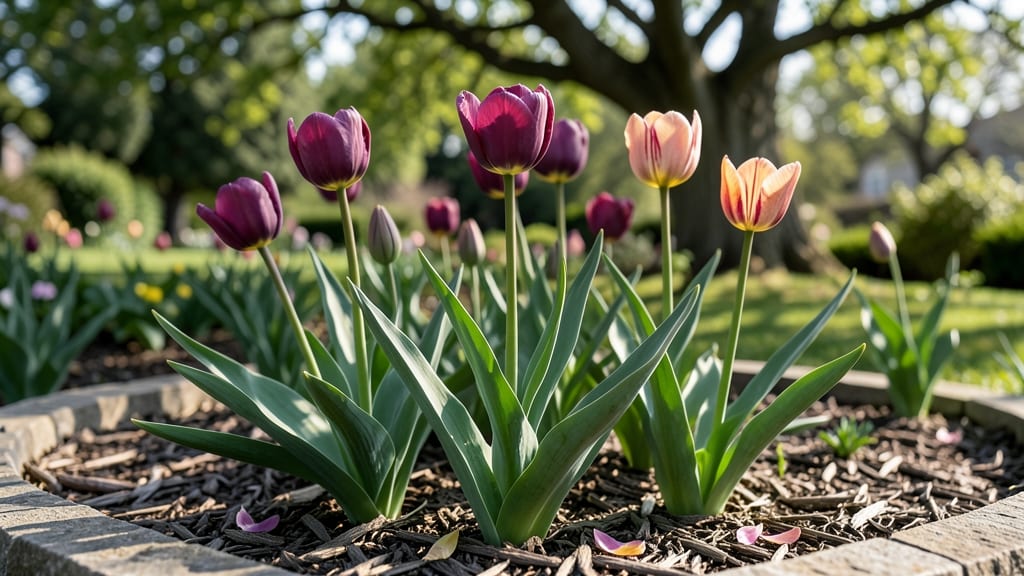
Perennial tulips in Zone 7 die back annually after flowering but return reliably if planted in well-draining soil, given full sun, and protected from excessive moisture. Mulch after foliage yellows to preserve energy for next year’s blooms.
This natural dormancy cycle happens because Zone 7’s summer heat forces tulips to conserve energy underground. 🌱 The bulbs need 6-8 inches of well-draining soil to prevent rot, while full sun exposure ensures they store enough nutrients for regrowth.
Unlike annuals, these hardy varieties store energy in their bulbs—think of them as hibernating until cooler weather returns. I’ve found that adding compost or sand improves drainage in heavy clay soils, which is common in Zone 7.
The key is patience: resist the urge to cut back foliage too soon, as those leaves are powering next year’s blooms.
After flowering, let the stems stay until they yellow naturally—this process can take 6-8 weeks. Once they’ve died back completely, apply a 2-3 inch layer of mulch to insulate the soil and retain moisture without smothering the bulbs.
This practice mimics their natural Mediterranean habitat where they experience dry summers. For best results, plant in fall (September-October) when soil temperatures are ideal for root establishment.
💡 In This Article
- Why Perennial Tulips Go Dormant in Zone 7
- Zone 7 Planting and Care Tips for Perennial Tulips
Why perennial tulips go dormant in Zone 7
The dormancy cycle of perennial tulips in Zone 7 is a survival strategy tied directly to temperature and daylight patterns. When summer arrives, these bulbs detect the prolonged heat and reduced daylight (typically 14+ hours of light in summer) as a signal to conserve energy.
The plant's leaves begin to yellow and die back as nutrients are transported back into the bulb, where they'll be stored until cooler weather returns. This process is similar to how deciduous trees shed leaves in winter—it's all about energy conservation. 🌱
Zone 7's climate plays a crucial role in this cycle. Summers often bring temperatures exceeding 85°F, which can stress tulip foliage if moisture isn't properly managed.
The bulbs need to stay cool and dry during dormancy, which is why well-draining soil is essential—it prevents rot while allowing excess moisture to evaporate. In their native habitats (Central Asia), tulips experience hot, dry summers that mirror Zone 7 conditions when properly cultivated.
The key difference is that wild tulips grow in rocky, well-drained soils that mimic this environment.
What most gardeners don't realize is that the bulb's regeneration process begins in late summer when night temperatures drop below 70°F. This triggers root growth and prepares the bulb for next year's flowering.
The foliage serves a critical function during this time—it photosynthesizes to build up starch reserves in the bulb. Cutting back leaves too early (before they've fully yellowed) can reduce these reserves by up to 40%, dramatically affecting next year's bloom quality.
Think of it like a plant's savings account—every leaf counts.
Soil composition directly impacts this process. Heavy clay soils, common in many Zone 7 regions, can hold too much moisture and create anaerobic conditions that suffocate bulb roots. Amending with sand or perlite (up to 20% of the soil mix) improves drainage while maintaining fertility.
The ideal soil mix should resemble a loose, crumbly texture—similar to a well-aerated cake batter. This structure allows both water and air to reach the bulbs, which is essential for their metabolic processes during dormancy.
Daylight length also influences dormancy timing. Tulips are short-day plants, meaning they flower in response to decreasing daylight hours. In Zone 7, this typically occurs in late winter to early spring when days lengthen to about 12 hours.
The bulbs need this period of reduced light to break dormancy and initiate growth. Gardeners in Zone 7 can sometimes see earlier blooming if they plant varieties that naturally have shorter dormancy periods, like 'Darwin Hybrid' tulips, which are bred for better perennial performance.
One common misconception is that perennial tulips are low-maintenance once planted. In reality, their dormancy cycle requires careful management of water, mulch, and foliage to ensure reliable returns. The bulbs are essentially "sleeping" during summer but remain metabolically active—just at a reduced rate.
Proper care during dormancy sets the stage for robust blooms the following spring, making it one of the most critical periods in their growth cycle. 💫