
Planting
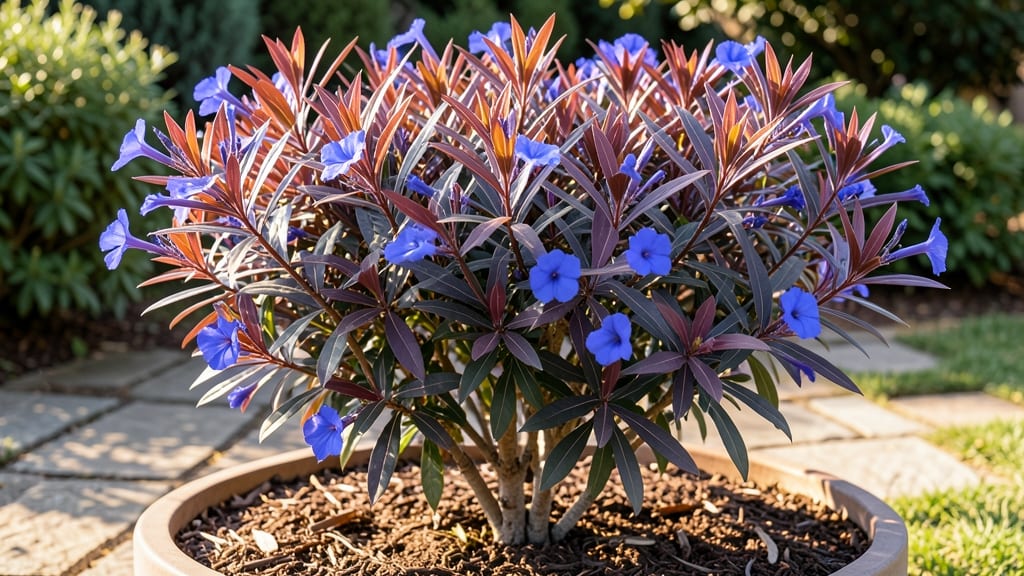
Your garden just got a year-round stunner—purple leaf perennials that thrive even when temps dip. 🌿 These cold-hardy plants bring drama to beds, borders, and containers without the fuss of annuals. I’ve grown Heuchera, Coleus, and Purple Smoke Bush through winters, and they’ve never let me down.
Start with the right spot: most need 6+ hours of sun and well-draining soil. Amend heavy clay with compost to prevent root rot. Spacing depends on variety—Heuchera stays compact (12–18 inches apart), while Purple Smoke Bush spreads wider (8–10 feet). Mulch in fall to protect roots from freeze-thaw cycles.
Once established, these plants are low-maintenance. Water deeply once a week (more in summer heat), and snip back leggy growth in spring. Pair them with silver foliage (Lamb’s Ear) or chartreuse (Lemon Thyme) for a high-contrast show that pops all season.
Troubleshoot leaf scorch by watering at soil level (not overhead) and watch for spider mites—hose them off early. With the right care, your purple perennials will outshine anything you’ve tried before.
📚 In This Guide
- What you need
- Instructions
- Tips and common mistakes
- Wrapping up and next steps
What you need
- ● Purple leaf perennial plant: 1-3 mature plants (depending on desired coverage). Choose from nurseries or local garden centers—opt for cold-hardy varieties (zones 4-9).
- ● Well-draining soil: 5-10 bags of garden soil or compost (if amending native soil). Aim for a mix with 50-60% organic matter.
- ● Organic mulch: 2-3 cubic feet of wood chips or pine straw to retain moisture and regulate temperature.
- ● Slow-release fertilizer: 1 bag of balanced 10-10-10 or organic plant food (follow package instructions for application rates).
- ● Watering can or hose: With a gentle spray nozzle (1-2 gallons capacity).
- ● Garden trowel or spade: For digging holes (6-12 inches deep, twice as wide as the root ball).
- ○ Gloves (optional but recommended): Heavy-duty gardening gloves to protect hands from thorns (if applicable) or rough soil.
- ● Pruning shears: Sharp, bypass-style shears for shaping or post-planting trimming.
- ● Measuring tape or ruler: To ensure proper spacing (typically 6-10 feet apart for mature plants).
- ● Sunlight assessment: Confirm your planting spot gets full sun (6+ hours/day)—purple leaf perennials thrive in bright light!
- ● Soil pH tester: Ideal pH for most purple leaf perennials is 6.0-7.0; adjust with lime or sulfur if needed.
- ● Epsom salt: 1-2 tablespoons per plant (mixed with water) for magnesium boosts during early growth.
- ● Plant supports (for tall varieties): 1-2 stakes or cages if your perennial grows over 8 feet.
- ● Drip irrigation system: For automated watering (especially useful in hot climates).
Step-by-step guide to planting and maintaining purple leaf perennials
Here’s how to establish these cold-hardy showstoppers for seasons of bold foliage with minimal fuss.
🌱 Step 1: Choose the Right Location and Soil
Purple leaf perennials thrive in full sun to partial shade, with at least 4-6 hours of direct light daily. I always pick a spot with morning sun and afternoon shade—this prevents leaf scorch in hot climates while keeping the purple hues vibrant. Test your soil’s drainage by digging a 12-inch hole; if water pools after 30 minutes, amend with 2-3 inches of compost and a handful of perlite to improve aeration.
The ideal soil pH for these plants is 6.0-7.0. If your soil is heavy clay, mix in 1/3 organic matter like leaf mold or aged manure. Purple leaf plants tolerate a range of soil types, but they reward you with deeper color when nutrients are balanced. I like to spread a 1-inch layer of mulch after planting to retain moisture and suppress weeds—just keep it 2 inches away from the stem to prevent rot.
🪴 Step 2: Plant at the Correct Depth and Spacing
Dig holes twice as wide as the root ball and just as deep. Gently remove the plant from its container and loosen any circling roots with your fingers—this encourages outward growth. Place the plant in the hole so the top of the root ball sits ½ inch above soil level. Purple leaf perennials often have woody stems, so burying too deep can suffocate the crown and lead to rot.
Space plants 18-24 inches apart, depending on the variety. Smaller types like Heuchera can go closer, while larger shrubs like Cotinus need more room. Backfill with native soil mixed with compost, pressing gently to eliminate air pockets. Water deeply right after planting to settle the soil and eliminate gaps. You’ll know it’s right when the soil surface looks slightly compacted but not rock-hard.
☀️ Step 3: Water Deeply and Establish a Routine
Water newly planted perennials 1-2 inches per week, either from rainfall or irrigation. The key is deep, infrequent watering—this encourages strong root growth. I like to water in the early morning to reduce evaporation and fungal risks. After the first month, taper off to 1 inch per week, as established plants are drought-tolerant once rooted.
Watch for wilting or crispy leaf edges—these are signs of thirst. Purple leaf plants often show stress by lightening in color, so keep an eye on their hue. Mulch helps retain moisture, but don’t overdo it; a 2-3 inch layer is plenty. In the first year, you’ll need to water more frequently to help the roots spread, but after that, these plants are remarkably self-sufficient.
✂️ Step 4: Prune for Shape and Health
Prune in late winter or early spring, just as new growth begins to emerge. Remove any dead, damaged, or crossing branches first—this improves airflow and prevents disease. I always use clean, sharp pruners to make cuts at a 45-degree angle, about ¼ inch above a leaf node. This encourages bushier growth and keeps the plant’s shape compact.
For varieties like Cotinus, you can lightly trim back one-third of the oldest stems to rejuvenate growth. Avoid heavy pruning in fall, as new growth won’t harden off before winter. If you notice leggy growth, it’s a sign of too little light—move the plant to a sunnier spot or thin out nearby competitors. Purple leaf perennials are forgiving, but regular pruning keeps them looking their best.
🌿 Step 5: Fertilize and Monitor for Pests
Feed in early spring with a balanced, slow-release fertilizer (10-10-10 or similar). I avoid high-nitrogen fertilizers, as they can dilute the purple foliage color. A light application—about ½ cup per plant—is plenty. Water thoroughly after applying to help distribute nutrients evenly. Purple leaf plants are generally low-maintenance, but a little extra care keeps their color vibrant year-round.
Keep an eye out for aphids or spider mites, which can weaken plants. I treat infestations with a strong spray of water first, then apply neem oil if needed. These plants are relatively pest-resistant, but stress from poor soil or overcrowding can attract problems. Healthy plants with good airflow rarely have issues, so focus on proper spacing and watering.
Tips & tricks for perfect purple leaf perennial planting
Here's what nobody tells you about getting the most vibrant, long-lasting purple leaf perennials—details that make all the difference.
Lighting Strategy: The 4-6 hours of direct sunlight mentioned is non-negotiable for maintaining those stunning purple hues, but here's the trick: if your climate gets scorching afternoons, position plants to catch morning sun and afternoon shade. I've seen plants in full afternoon sun turn dull brown within weeks—this simple adjustment keeps the color popping all season. For container plants, rotate them weekly to ensure even exposure on all sides.
Soil Test Hack: Before amending your soil, grab a simple pH test kit from your local garden center—it costs pennies and saves you from guessing. Purple leaf perennials thrive at 6.0-7.0 pH, but many garden soils run acidic. If your test shows below 6.0, mix in dolomitic lime (about ½ cup per square foot) before planting. I've seen color intensity triple in just one growing season after correcting pH this way.
Root Ball Rescue: When loosening circling roots in Step 2, don't just pull them apart—score the root ball vertically with your fingers about every 2 inches. This creates pathways for water and nutrients to penetrate the center. I learned this the hard way after watching plants struggle with compacted roots despite proper spacing. For woody-stemmed varieties like Cotinus, gently tease apart the outer roots first to avoid damaging the central crown.
Watering Timing: The 30-minute drainage test reveals whether your soil needs amendment, but here's what's even more critical: water in the early morning as specified, but check your soil moisture at midday. If the top 2 inches feel dry, give a quick top-up—this prevents stress without overwatering. I've found that purple leaf plants actually show their color most intensely when slightly thirsty, so don't be afraid to let the soil dry out between deep waterings after the first year.
Pro Tips for Purple Leaf Plant Perennial
- Here's what nobody tells you about getting the most vibrant, long-lasting purple leaf perennials—details that make all the difference.
- I've seen plants in full afternoon sun turn dull brown within weeks—this simple adjustment keeps the color popping all season.
- Soil Test Hack: Before amending your soil, grab a simple pH test kit from your local garden center—it costs pennies and saves you from guessing.
Frequently asked questions
Got questions about keeping your purple leaf perennial thriving? You’re not alone! Here are some of the most common concerns—plus quick, practical answers to keep your garden vibrant year-round.
How cold-hardy are purple leaf perennials?
Most purple leaf perennials, like Heuchera or Coral Bells, thrive in USDA zones 4–9. They’re cold-resistant but may need winter mulch (2–3 inches) in colder zones to protect roots. Evergreen varieties like Purple Smoke Bush handle frost even better—just avoid soggy soil in winter.
When is the best time to plant or divide purple leaf perennials?
Plant or divide in early spring or fall when soil is cool but workable. Avoid summer heat or winter frost, which can stress roots. For divisions, choose healthy clumps with multiple stems—spring is ideal for a head start before summer growth.
Why are my purple leaves turning yellow or brown?
Yellowing often signals overwatering or poor drainage, while brown edges can mean underwatering, sunburn, or salt buildup (from tap water). Test soil moisture—it should feel like a damp sponge, not soggy. If leaves crisp in sun, provide afternoon shade.
What are low-maintenance alternatives to purple leaf perennials?
Try these drought-tolerant, cold-hardy picks:
- Sedum (e.g., Sedum ‘Autumn Joy’): Succulent, purple-tinged, and nearly indestructible.
- Russian Sage (Perovskia atriplicifolia): Silvery foliage, lavender blooms, and zero fuss.
- Lamb’s Ear (Stachys byzantina): Fuzzy silver leaves that contrast beautifully with purple.
Are purple leaf perennials deer-resistant?
Not entirely! While some varieties (like Heuchera) are less appealing, deer may still nibble if hungry. Pro tip: Add Lavender or Russian Sage nearby—deer dislike their scent. For extra protection, use deer repellent sprays or fencing in high-risk areas.
Can I grow purple leaf perennials in containers?
Choose compact varieties like Heuchera ‘Palace Purple’ or Coral Bells ‘Fireworks’. Use well-draining potting mix with 50% perlite or orchid bark to prevent root rot. Containers dry out faster—water when the top inch of soil feels dry, and move pots to shaded spots in peak summer.
Wrapping up and next steps
Ready to transform your garden into a vibrant, low-maintenance masterpiece? Purple leaf perennials are the perfect choice—offering year-round color, cold resilience, and effortless beauty. Whether you’re a seasoned gardener or just starting, these plants bring drama with minimal fuss, proving that stunning landscapes don’t require endless upkeep.
Your next step? Pick your favorite variety—like Heuchera or Purple Smoke Bush—and get planting! 🌿 Start small, experiment with textures, and watch your garden thrive with bold, purple-hued elegance.