
Blooming
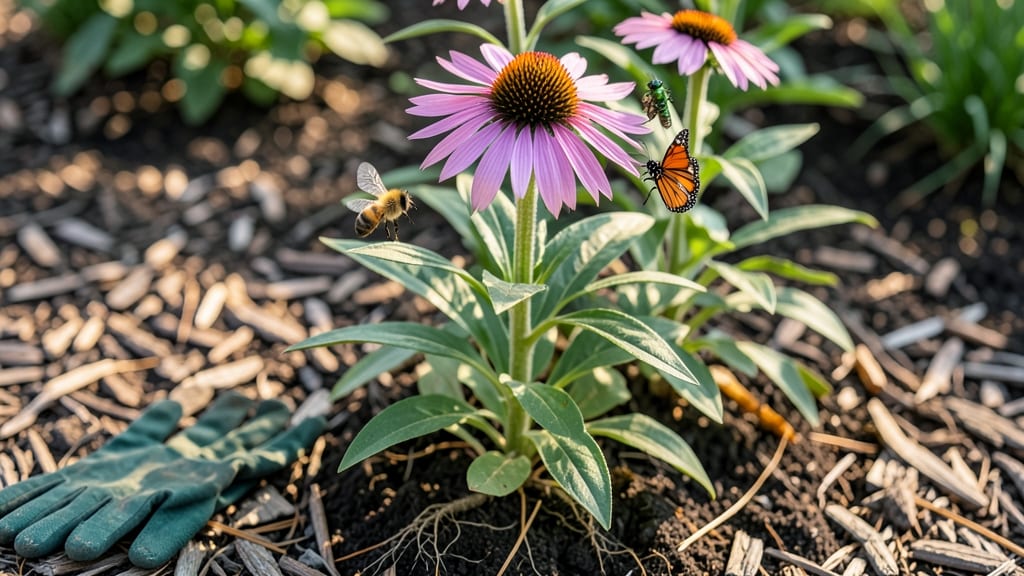
Summer-blooming perennials in Zone 7 are the secret weapon for effortless color that comes back stronger every year. 🌸 I’ve grown the same black-eyed Susans and coneflowers for five seasons now—they handle our hot summers and cold winters without a fuss, while store-bought annuals wilt by July.
The magic lies in planting at the right time: spring or fall gives roots time to establish before extreme heat. Most need full sun (6+ hours daily) and well-draining soil, but they’re shockingly low-maintenance once settled.
My garden stays vibrant with minimal deadheading—just a quick trim after blooms fade keeps them tidy. You’ll end up with pollinator magnets that attract butterflies and hummingbirds all summer. The deep roots also mean less watering once established, and many—like Russian sage—tolerate drought better than annuals.
Perfect for borders, cottage gardens, or cutting arrangements that last weeks in a vase. Works for any sun-drenched spot in your yard, from wildflower meadows to structured herbaceous borders. Here’s how to pick the right mix for your space!
📚 In This Guide
- What you need
- Instructions
- Tips and common mistakes
- Wrapping up and next steps
What you need
- ● Summer-blooming perennial plants (Zone 7 hardy varieties): 5–10 Coneflower (Echinacea) (e.g., 'Magnus' or 'White Swan')
- ● 3–5 Black-eyed Susan (Rudbeckia) (e.g., 'Goldsturm')
- ● 5 Daylily (Hemerocallis) (e.g., 'Stella de Oro' for compact blooms)
- ● 3–5 Bee Balm (Monarda) (e.g., 'Jacob Cline' for vibrant red flowers)
- ● 5 Russian Sage (Perovskia) (e.g., 'Blue Spire' for drought tolerance)
- ○ Garden soil amendments (optional but recommended): 5–10 lbs compost or well-rotted manure (per 10 sq ft)
- ● 1–2 lbs balanced fertilizer (10-10-10) (sprinkle at planting)
- ● Tools: Garden trowel or hand shovel
- ● Pruning shears (for deadheading)
- ● Garden gloves (to protect your hands!)
- ● Watering can or hose with adjustable nozzle
- ● Measuring tape or ruler (for spacing plants)
- ● A sunny spot (6+ hours of sunlight daily) or partial shade (for shade-tolerant picks like Hostas or Astilbe).
- ● Well-draining soil (amend clay soil with sand or perlite if needed).
- ● Access to water (perennials need 1–1.5 inches of water per week, including rainfall).
- ○ Optional: Mulch (2–3 inches of shredded bark or straw) to retain moisture and suppress weeds.
How to select and plant summer-blooming perennials for Zone 7 resilience
Here's how I choose cold-hardy perennials that thrive through summer's heat and winter's chill.
🌱 Step 1: Choose Plants with Proven Zone 7 Hardiness
Select perennials rated for USDA Zone 7 or lower, focusing on those with established cold tolerance and summer blooming habits. Coneflower (Echinacea), black-eyed Susan (Rudbeckia), and Russian sage (Perovskia) consistently return each year with minimal winter care. I avoid tender perennials like salvia that struggle below 20°F. Check plant tags or reliable sources for cold hardiness ratings—this ensures survival through Zone 7's 10-20°F winter lows.
Look for plants with deep root systems like daylilies (Hemerocallis) or woody stems like catmint (Nepeta)—these structures store energy and regrow quickly in spring. I also prioritize drought-tolerant varieties since Zone 7 summers often bring 90°F+ heat waves. Once you've selected your plants, verify their mature size to avoid overcrowding—most perennials need 18-36 inches of spacing for optimal airflow and bloom production.
☀️ Step 2: Time Planting for Strong Root Establishment
Plant in early spring (after last frost) or early fall (6-8 weeks before first frost) to give roots time to establish before summer's heat or winter's cold. I dig holes twice as wide as the root ball but only as deep—this encourages outward root growth rather than settling too low. Loosen the root ball gently if roots appear circled or bound.
Amend the planting hole with compost if your soil is heavy clay or sandy. Zone 7 soils often need organic matter to retain moisture during summer droughts. Water deeply right after planting to eliminate air pockets, then mulch with 2-3 inches of shredded bark or straw to protect roots from temperature swings. The mulch should cover the soil surface but not touch plant stems—this prevents rot while conserving moisture.
💧 Step 3: Establish a Watering Routine for Summer Survival
Water newly planted perennials deeply once weekly during the first growing season, aiming for 1-1.5 inches of water per week. I check soil moisture by pushing a finger 2 inches deep—if dry, it's time to water. Overhead watering can spread fungal diseases, so I use soaker hoses placed at the plant base. Established perennials (after 2 years) typically need watering only during prolonged dry spells of no rain for 2+ weeks.
Morning watering is ideal—it allows foliage to dry before evening, reducing disease risk. You'll notice healthier plants with vibrant green leaves and fewer yellowed or wilted areas. Once roots are established, perennials develop deep taproots that access moisture, making them drought-tolerant over time. Fertilize lightly in spring with balanced 10-10-10 to encourage blooms without excessive leafy growth.
✂️ Step 4: Prune Strategically for Next Year's Blooms
Deadhead spent blooms regularly throughout summer to encourage continuous flowering and prevent self-seeding. I use clean, sharp pruners to cut back to the first set of healthy leaves below the bloom. For perennials like coneflower, leave some seed heads for winter interest and wildlife benefits. In late fall, cut back woody stems (like Russian sage) to 6-12 inches tall while leaving basal foliage on ground covers like creeping thyme.
This late-season pruning prevents flopping and makes spring cleanup easier. I avoid heavy pruning in fall for tender perennials like peonies, which need their foliage to photosynthesize until winter dormancy. Mulch again in late fall with 3-4 inches of organic material to insulate roots through Zone 7's 10-20°F winters. The mulch breaks down slowly, adding nutrients while protecting against freeze-thaw cycles.
⏰ Step 5: Monitor and Adjust for Long-Term Success
Observe plants throughout the season for signs of stress—yellowing leaves often indicate overwatering or poor drainage, while wilting suggests underwatering or heat stress. I adjust watering frequency based on rainfall patterns and soil type (sandy soils dry faster than clay). Divide overcrowded perennials like daylilies every 3-4 years in early spring to maintain vigor—this prevents disease and encourages stronger blooms.
Zone 7's hot summers can stress perennials, so I provide afternoon shade for tender varieties like hostas during peak heat. Fertilize lightly in early spring with slow-release granules to avoid summer burn. With proper care, these perennials will return year after year, offering low-maintenance beauty with minimal winter protection. The key is choosing the right plants, establishing strong roots, and adjusting care based on seasonal conditions.
Tips & tricks for perfect summer blooming perennials in Zone 7
These practical insights will help you create a garden that thrives through Zone 7's extremes.
Cold Hardiness Verification: Beyond checking the USDA Zone 7 rating on plant tags, I cross-reference with local botanical gardens' records for 10-20°F winter survival. Some nurseries list "cold hardy to Zone 6" but don't specify the lower end—ask if they've tested plants at 15°F. Coneflower and Russian sage consistently survive 10°F dips, while black-eyed Susan may need winter mulch in colder Zone 7 microclimates. This extra verification prevents costly spring disappointments.
Root Ball Preparation: When planting in Step 2, I always soak the root ball for 10-15 minutes before transplanting—this prevents transplant shock from dry roots. For container-grown plants, gently squeeze the root ball to check moisture; if it feels lighter than expected, soak longer. The twice-as-wide hole specification is critical: it allows roots to spread outward where soil moisture is most available during summer droughts. I also mix 1 cup of mycorrhizal fungi into the planting hole to boost root establishment.
Watering Precision: The 1-1.5 inches weekly guideline in Step 3 works for most Zone 7 soils, but I adjust based on rainfall. Use a rain gauge to track precipitation—if you get 0.75 inches of rain, supplement with 0.75 inches more. For clay soils, I water every 5-6 days instead of weekly since they hold moisture longer. The 2-inch soil moisture check is your best indicator: if the soil feels dry at that depth, it's time to water, regardless of your schedule.
Pruning Strategy: In Step 4, I deadhead every 7-10 days during peak bloom season to maintain continuous flowering. For perennials like bee balm, I cut back to the first pair of healthy leaves rather than just the first set—this encourages bushier regrowth. In late fall, I mark woody stems with flagging tape at the 6-12 inch cut line before pruning, so I don't accidentally cut too low in spring. This simple visual cue prevents over-pruning that can weaken stems.
Pro Tips for Summer Blooming Perennials Zone 7
- These practical insights will help you create a garden that thrives through Zone 7's extremes.
- Cold Hardiness Verification: Beyond checking the USDA Zone 7 rating on plant tags, I cross-reference with local botanical gardens' records for 10-20°F winter survival.
- Root Ball Preparation: When planting in Step 2, I always soak the root ball for 10-15 minutes before transplanting—this prevents transplant shock from dry roots.
Frequently asked questions
Got questions about keeping your Zone 7 garden vibrant with summer blooms? Here are answers to the most common queries—so you can enjoy lush, repeat-flowering perennials with confidence!
Which summer perennials thrive in Zone 7 but aren’t invasive?
Look for non-spreading varieties like Black-Eyed Susan (Rudbeckia), Shasta Daisy (Leucanthemum), or Russian Sage (Perovskia). These stay put while delivering bold color—no garden takeover! Avoid daylilies or mint if invasiveness is a concern.
When’s the best time to plant summer-blooming perennials in Zone 7?
Plant in early spring (March–April) or early fall (September–October) for roots to establish before extreme heat. Avoid mid-summer planting—heat stress can stunt growth. Pro tip: Water deeply after planting and mulch to retain moisture!
How often should I water summer perennials in Zone 7’s heat?
Water 1–1.5 inches per week, splitting sessions into morning/evening to reduce evaporation. New plants need daily watering for the first 2 weeks. Let soil dry slightly between waterings—overwatering suffocates roots. Drip irrigation saves time and prevents fungal issues!
What pests or diseases should I watch for with summer perennials?
Common culprits:
- Japanese beetles: Handpick or use neem oil.
- Powdery mildew: Improve airflow; spray with baking soda mix (1 tsp per quart of water).
- Slugs/snails: Set beer traps or use diatomaceous earth.
Can I cut back summer perennials after they bloom?
Yes! Deadhead spent blooms (like coneflowers or bee balm) to encourage more flowers. Wait until late summer/early fall to trim back foliage—this gives plants energy for next year. Use clean shears to avoid disease spread!
Wrapping up and next steps
Choosing the right summer-blooming perennials for Zone 7 ensures your garden stays vibrant year after year with minimal effort! From sun-loving coneflowers to shade-tolerant hostas, these cold-hardy plants thrive in your climate while offering low-maintenance beauty. 🌸
Ready to transform your outdoor space? Start by sketching your garden layout, then pick 2–3 perennials that match your sunlight and soil conditions. Plant them this spring or fall for a stunning summer show—and enjoy the rewards of a garden that keeps coming back stronger!