
Watering
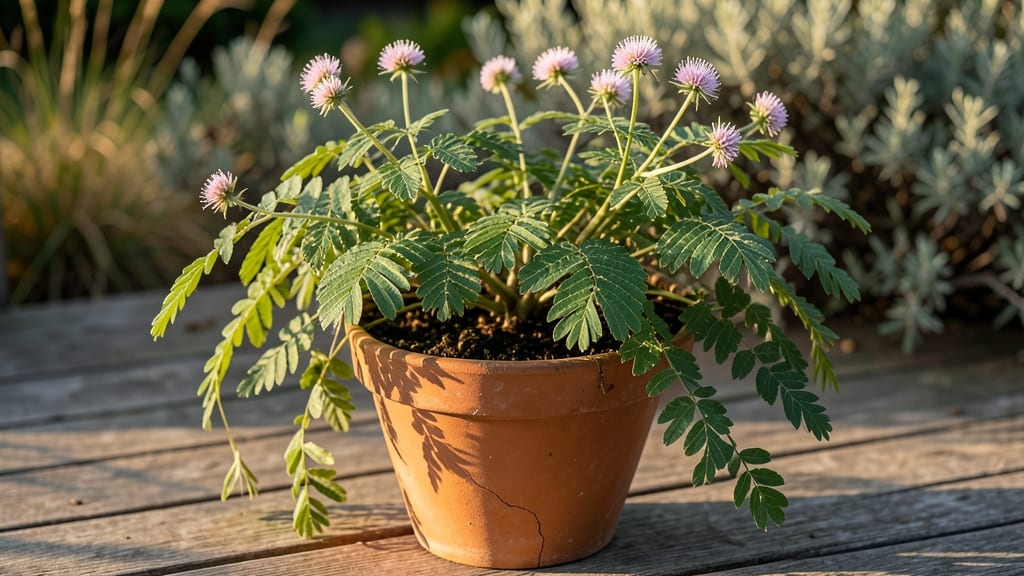
Growing a thriving water mimosa plant 🌸 starts with understanding its unique aquatic needs—more than just a pretty face, it’s a delicate balance of water depth, soil, and light.
Picture this: You’ve spent weeks nurturing your water mimosa, only to watch its leaves droop or flowers fade because the water level was just a little too deep. The good news? With the right care, this plant can reward you with year-round blooms and lush foliage—no green thumb required.
From partial shade to full sun, and from bog gardens to floating pots, we’ll cover everything you need to keep your water mimosa happy. Whether you’re troubleshooting yellowing leaves or planning propagation, this guide has you covered.
Ready to unlock the secrets to lush, vibrant growth? Let’s dive into the ideal conditions, feeding tricks, and seasonal tips that’ll make your water mimosa the star of your garden.
Water mimosa plant care: light, water, and soil requirements for optimal growth
The water mimosa (Neptunia spp.) thrives in conditions that mimic its natural wetland habitat. Unlike its sensitive cousin, the sensitive plant (Mimosa pudica), this variety loves moisture-rich environments without drowning.
Whether you're growing it in a pond, bog garden, or as a floating plant, understanding its light, water, and soil needs is key to vibrant growth and those signature pink or purple blooms. Let’s break down the perfect conditions to keep your water mimosa flourishing.
One of the biggest mistakes gardeners make is assuming all water-loving plants have identical needs. Water mimosa prefers partial shade to full sun, but the balance depends on your climate.
In hotter regions, it may need morning sun and afternoon shade to prevent leaf scorch, while cooler zones can handle full sun exposure. The goal is 4-6 hours of direct sunlight daily, but flexibility is key—especially if you’re growing it in shallow water or boggy soil.
| Requirement | Specification |
|---|---|
| Light Needs | Partial shade to full sun (4-6 hours) |
| Water Depth | 0-6 inches (bog) or floating |
| Soil pH | 5.0-7.0 (slightly acidic to neutral) |
| Soil Type | Peaty, sandy, or loamy with high organic matter |
| Water Frequency | Keep soil consistently moist (daily in heat) |
| Fertilizer | Balanced 10-10-10 in spring |
When it comes to water depth, the water mimosa is adaptable but has clear preferences. If planted in bog gardens or shallow water, keep the depth between 0-6 inches—any deeper, and you risk root rot from lack of oxygen.
For floating varieties, ensure the plant has stable support (like a small mesh pot) to prevent drifting. The roots should stay moist but not waterlogged, as stagnant water can invite fungal diseases like powdery mildew.
If you notice yellowing leaves, it’s often a sign of overwatering or poor drainage.
The soil is where the magic happens for water mimosa. Aim for a peaty, sandy, or loamy mix with high organic content—think compost, perlite, and peat moss in equal parts. The pH should stay between 5.0 and 7.0, slightly acidic to neutral.
If your soil is too alkaline, amend it with sulfur or pine needles to lower the pH gradually. A quick test with a soil pH kit can save you from guesswork.
Pro tip: Water mimosa thrives in slow-draining containers if grown in pots, as it mimics its natural wetland roots.
One of the most common environmental stressors for water mimosa is too much direct sun, especially in hot climates. If leaves start looking crispy or bleached, move your plant to a shadier spot immediately. Conversely, low light can lead to leggy growth and fewer blooms.
The sweet spot is dappled sunlight—think morning sun with afternoon shade in summer. In cooler zones, you can push it to full sun without worry. Always monitor your plant’s leaf color for clues: dark green and glossy means it’s happy; pale or dull means it’s struggling.
Watering is an art for water mimosa. While it loves moisture, it hates soggy roots. In summer, water daily to keep the soil consistently moist, but avoid ponding water around the base. In winter, reduce watering to once a week unless in a floating setup, where evaporation increases. A spray bottle works well for floating varieties to mimic gentle rain. If you’re growing it in a bog garden, ensure the water table stays stable—fluctuations can stress the plant. Always water in the morning to allow foliage to dry, reducing fungal risks.
For bog-grown water mimosa, consider adding a layer of aquatic plants nearby to create a microclimate that retains moisture. Plants like water hyacinth or pickerelweed can help stabilize water conditions and deter pests.
If you’re growing it in a container, ensure the pot has drainage holes and use a well-aerated mix. A slow-release fertilizer in early spring gives it a nutrient boost without risking burn.
Avoid heavy-handed fertilizing in summer, as this can lead to leaf scorch or excessive foliage growth at the expense of flowers.
Troubleshooting environmental stressors starts with observing your plant’s leaves and stems. Brown tips? Likely underwatering or high salt buildup from tap water. Yellow leaves? Check for overwatering or poor drainage. No blooms? It might need more sunlight or fertilizer.
If you’re growing water mimosa in a pond, ensure the water is circulated to prevent stagnation. In containers, rotate the pot weekly for even light exposure.
With the right balance of light, water, and soil, your water mimosa will reward you with vibrant blooms from late spring to fall.
Remember, the key to water mimosa success is observation and adaptation. What works in Florida’s humidity may not suit California’s dry heat, so adjust based on your local climate. Start with the ideal conditions outlined above, then tweak as needed.
Before you know it, your pond or garden will be a showstopper of delicate pink and purple blooms—all thanks to a little light, water, and soil know-how. Happy growing! 🌸
How to propagate and prune water mimosa for year-round blooms
Your water mimosa plant can produce pink, purple, or white blooms all year if you master propagation and pruning. These techniques encourage bushier growth and prevent common issues like leggy stems or root rot.
Whether you're expanding your collection or simply refreshing your plant's shape, these methods are simple yet effective.
Propagation is the key to multiplying your water mimosa without spending a dime. You can use either division for established plants or stem cuttings for quick results. Pruning, done seasonally, ensures your plant stays compact and blooms abundantly. Let's dive into the step-by-step process to keep your water mimosa thriving.
Step-by-Step Guide to Propagate and Prune Water Mimosa
- Division Propagation: Choose a healthy water mimosa plant with multiple stems. Gently remove it from its container or bog garden and separate the roots into smaller clumps, ensuring each has at least 3-4 stems. Replant each clump in moist, well-draining soil or water.
- Stem Cuttings: Select healthy 4-6 inch stems with at least 2-3 leaf nodes. Snip just below a node using clean scissors. Place the cuttings in a jar of water or moist soil, keeping them in bright, indirect light until roots form (usually 2-3 weeks).
- Seasonal Pruning: Prune leggy or overgrown stems in early spring to encourage new growth. Cut back 1/3 of the plant's height to maintain shape. Remove any dead or yellowing leaves year-round to keep the plant healthy.
- Post-Pruning Care: After pruning, fertilize lightly with a balanced 10-10-10 fertilizer to support recovery. Increase watering slightly for the first 2 weeks to help the plant establish new growth.
- Preventing Root Rot: Ensure your water mimosa is planted in well-draining soil or shallow water. Avoid overwatering, as soggy conditions can lead to root rot. If growing in water, use containers with drainage holes.
Timing is crucial when propagating or pruning your water mimosa. For best results, propagate in spring or early summer when the plant is actively growing. Pruning in late winter or early spring helps stimulate new blooms for the upcoming season.
Avoid heavy pruning in fall or winter when the plant is dormant.
Once your new cuttings or divided plants are established, they’ll reward you with vibrant blooms in just a few months. Keep an eye out for pink, purple, or white flowers that will add a splash of color to your pond or garden.
Regular pruning also helps maintain the plant’s shape, making it perfect for containers or water features.
If you notice yellowing leaves or stunted growth after propagation, it could signal overwatering or poor drainage. Adjust your care routine by reducing water and ensuring proper soil conditions. With these techniques, your water mimosa will stay lush and full of blooms all year!
🌸