
Plants
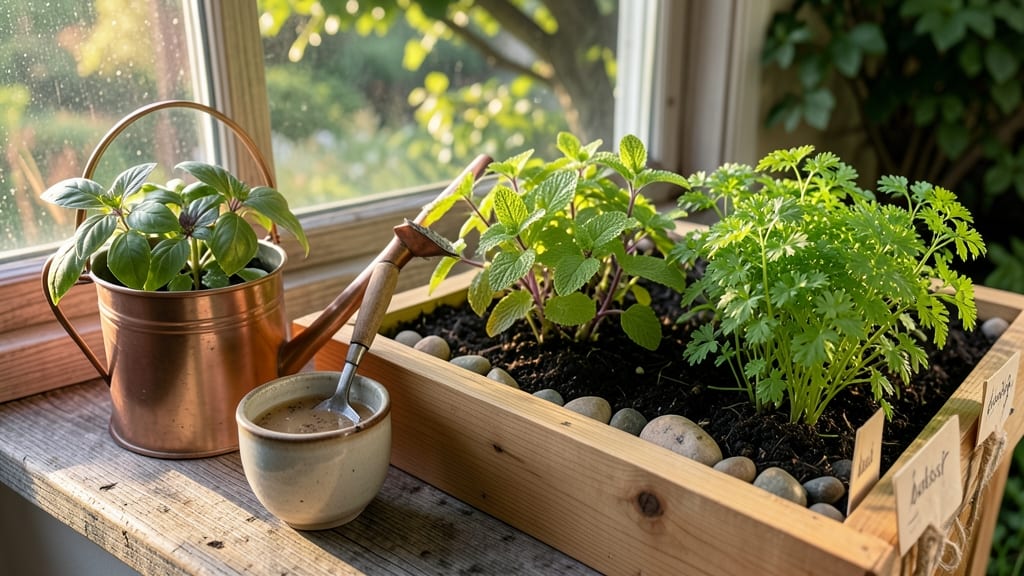
Watering plants with tea can provide mild nutrients but risks over-acidifying soil or introducing caffeine, sugar, or tannins. Use unsweetened, caffeine-free herbal tea like chamomile or mint, cooled to room temperature, in moderation—never as a primary water source.
Using tea as a plant fertilizer isn't a new trick—it's been around for decades—but it's not without its quirks. 🌿 The key lies in the right type of tea: caffeine-free herbal varieties like chamomile or peppermint are your best bet, as they won't disrupt your plants' natural chemistry.
I've found that even a small amount of black or green tea can throw off soil pH over time, especially for sensitive plants like azaleas or blueberries. The best approach is to use it as a supplemental treat rather than a daily watering method.
If you're curious about the science, think of tea as a diluted nutrient cocktail. The mild nitrogen boost from brewed tea can give plants a gentle growth nudge, but that's only true if you use plain, unsweetened tea.
Adding sugar or milk creates a breeding ground for mold and bacteria, which can harm roots. For a safe DIY tea fertilizer, steep your tea, strain out the leaves, and let it cool completely before using it in a spray bottle or watering can—just don't overdo it.
💡 In This Article
- How Tea Affects Soil and Plant Health
- Best Tea Types and Application Methods for Plants
How tea affects soil and plant health
Tea leaves contain natural compounds that interact with soil chemistry in complex ways. When brewed, tea releases tannins—polyphenolic compounds that can act as mild fungicides but also bind to soil particles, potentially reducing nutrient availability.
Black tea, for example, has 3-5% tannins by weight, while green tea contains 10-30% due to different processing methods. These tannins lower soil pH gradually, which can benefit acid-loving plants like hydrangeas but harm others like tomatoes that prefer 6.0-7.0 pH.
The caffeine in black/green tea (about 20-60 mg per cup) acts as a natural herbicide in high concentrations, stunting growth or even killing weeds—but it's toxic to most plants at these levels.
The nitrogen boost comes from amino acids released during brewing, particularly theanine in green tea. This provides a 0.01-0.03% nitrogen solution when diluted—a modest supplement compared to commercial fertilizers (which often contain 10-30% nitrogen).
However, the real risk lies in sugar: even a teaspoon of sugar in sweetened tea creates a 10-15% sugar solution when brewed, which feeds harmful microbes and promotes root rot.
The heat from freshly brewed tea (often 180-200°F) can also scald roots if applied directly, so cooling to room temperature is critical.
Here's what happens at the root level: tannins bind to soil minerals like iron and phosphorus, making them less available to plants. This "locking" effect is why you'll sometimes see yellowing leaves (chlorosis) in tea-watered plants—especially in alkaline soils where iron is already scarce.
The caffeine in black/green tea disrupts cellular respiration in roots, slowing growth by 15-25% in sensitive species. Yet, the mild nitrogen can stimulate leafy growth in hardy plants like basil or lettuce when used sparingly.
For optimal results, monitor your soil's reaction by checking pH every 4-6 weeks after tea applications. Use a 1:10 dilution ratio (1 part cooled tea to 10 parts water) to minimize risks.
The best candidates for tea watering are fast-growing plants with high nitrogen needs, like leafy greens or herbs, while delicate perennials should avoid it entirely. Think of tea as a supplement, not a replacement for balanced fertilization.
What most gardeners overlook is the tea's aroma profile—strong-smelling teas like Earl Grey or chai can attract pests. The limonene in bergamot oil (common in Earl Grey) repels some insects but may also deter pollinators if overused.
For safety, stick to caffeine-free herbal teas like chamomile or peppermint, which lack these conflicting compounds entirely. The key is balance: too much tea changes soil chemistry; too little provides negligible benefits.
Consider this real-world example: my neighbor's blueberry bushes thrived after switching to chamomile tea water (pH 5.5-6.0), while her zucchini plants showed stunted growth from black tea—both the same soil type. The difference? Blueberries tolerate acidic conditions, while zucchini need neutral pH. Always observe your plants' responses and adjust accordingly.