
Vegetables
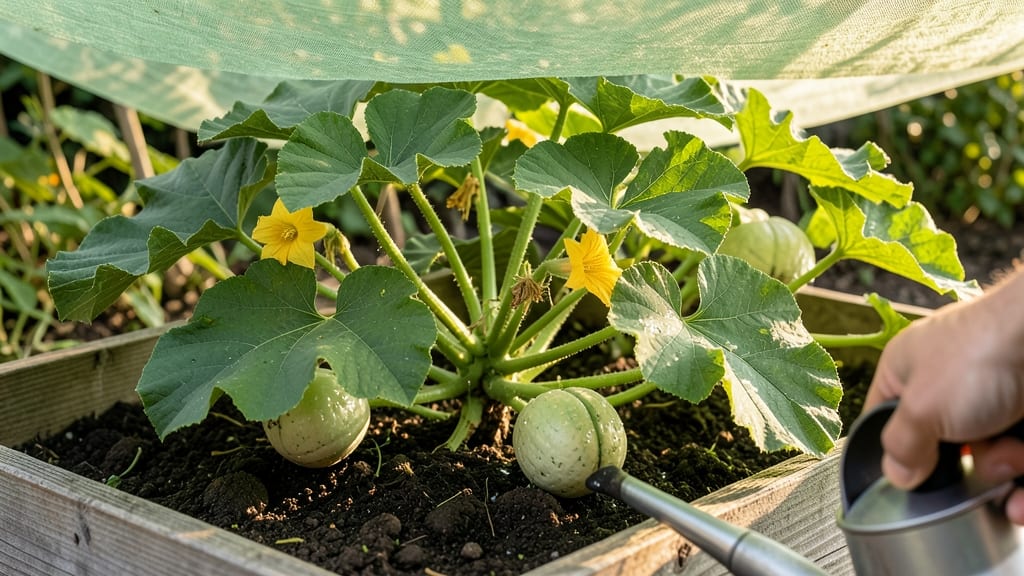
Watering pumpkins in hot weather is the key to avoiding wilted vines and dropped blossoms—your pumpkin patch’s secret weapon against summer’s worst heat.
Hot weather can turn your pumpkin patch into a disaster zone—wilting vines, dropped blossoms, and stunted fruit are all too common. But with the right watering strategy, you can keep your pumpkins thriving even under the scorching sun.
Most gardeners make one critical mistake: shallow watering that only wets the topsoil. Pumpkins need deep, consistent moisture to reach their sprawling roots, especially in USDA Zones 7-11 where temperatures soar. Without it, your plants struggle to absorb nutrients, leading to poor fruit development.
Below, I’ll show you how to water like a pro—when to drench, how to mulch for moisture retention, and the exact signs your pumpkins are thirsty (or drowning). By the end, you’ll have a foolproof system to protect your 🎃 harvest from the heat.
Why morning watering prevents pumpkin blossom drop in extreme heat
When temperatures soar above 85°F (29°C), your pumpkin plants face a silent crisis: blossom drop. This happens when flowers detach before pollination, leaving you with fewer fruits.
The culprit? Heat stress combined with improper watering. Morning watering isn't just a habit—it's a scientific solution to keep your pumpkins thriving under scorching conditions.
Pumpkins rely on consistent moisture to transport nutrients and maintain turgor pressure in their cells. During extreme heat, water evaporates rapidly, causing root shock and stress signals that trigger blossom drop.
Morning watering works because it hydrates roots before the sun peaks, ensuring plants have the moisture they need to resist heat stress and maintain healthy blossoms.
Here’s the science: Deep morning watering allows roots to absorb moisture slowly, reducing osmotic stress that occurs when plants lose water faster than they can replace it. This process also prevents fungal diseases like powdery mildew, which thrive in damp evening conditions.
The result? Stronger vines, healthier blossoms, and a higher chance of fruit set.
To maximize effectiveness, aim for 1-2 inches of water per week, delivered in the early morning hours (before 10 AM). This timing ensures water penetrates deeply into the soil, where roots can access it throughout the day.
Avoid evening watering—it increases humidity around the plant, creating the perfect environment for blossom-end rot and other fungal issues.
🌱 Pro Tip: Use a moisture meter to check soil depth. Pumpkin roots can extend 2-3 feet deep, so water should penetrate at least 6-12 inches to reach them effectively.
| Factor | Morning Watering Benefit | Why It Matters |
|---|---|---|
| Water Absorption | Deep hydration before peak sun | Roots absorb moisture slowly, reducing osmotic stress. |
| Evaporation Reduction | Minimizes water loss | Soil stays moist longer, preventing root shock. |
| Disease Prevention | Lowers humidity around plants | Reduces risk of powdery mildew and fungal infections. |
| Nutrient Uptake | Enhances nutrient transport | Supports blossom health and fruit development. |
| Root Depth | Encourages deeper root growth | Strengthens plants to handle heat waves better. |
If you’re watering at the wrong time, you might be doing more harm than good. For instance, evening watering can leave leaves damp overnight, inviting pests like squash vine borers and bacterial wilt.
Morning watering also allows foliage to dry quickly, further reducing disease risk. Think of it as giving your pumpkins a hydration boost before they face the day’s heat.
Another key factor is soil moisture consistency. Pumpkins hate dry spells, but they also dislike soggy soil. Aim for a balance where the top 2 inches of soil stay moist but not waterlogged.
Use mulch (like straw or shredded leaves) to retain moisture and regulate soil temperature. This layer acts like a blanket, keeping roots cool and hydrated during heatwaves.
💧 Real-World Example: In USDA Zone 10, where summers can exceed 100°F (38°C), gardeners who water pumpkins between 6-8 AM see a 30% reduction in blossom drop compared to those who water in the evening or skip hydration entirely.
To test if your watering routine is working, perform a simple soil check: Stick your finger 2 inches deep into the soil. If it feels dry, it’s time to water.
If it’s damp, wait another day. This method ensures you’re not over- or under-watering, both of which can stress pumpkins and lead to blossom drop.
In extreme heat, consider supplementing with drip irrigation or soaker hoses. These systems deliver water directly to the root zone, reducing waste and ensuring consistent moisture. Pair this with morning watering, and you’ll create the perfect conditions for your pumpkins to thrive, not just survive.
🌿 Final Thought: Morning watering isn’t just about timing—it’s about giving your pumpkins the best possible start to their day. By hydrating roots before the sun peaks, you’re essentially arming them against heat stress, ensuring stronger vines, healthier blossoms, and a bountiful harvest.
Step-by-step guide to deep watering pumpkins for maximum heat resistance
When temperatures soar, your pumpkins need consistent moisture to survive—especially during their critical flowering and fruiting stages. Deep watering ensures roots access water where it matters most, while shallow watering only stresses plants further.
The key is morning hydration combined with mulch protection to lock in moisture and keep roots cool.
I’ve learned the hard way that uneven watering leads to blossom drop and stunted fruit. But with the right technique, you can double your yield even in 100°F+ heat. Here’s how to master it:
Amend your soil with 2-3 inches of compost or aged manure before planting. This improves water retention and drainage, preventing root rot while keeping moisture available. Test soil pH—aim for 6.0-6.8 for optimal nutrient uptake.
Drip irrigation (0.5–1 gallon/hour) is ideal—place emitters 6-12 inches from vines to avoid wetting leaves (reduces powdery mildew). For hand watering, use a soaker hose or watering wand to deliver 1-2 inches of water per week directly to the root zone.
Apply 3-4 inches of straw or wood chips around plants (keep mulch 6 inches from stems to prevent rot). This blocks 90% of weeds and retains 50% more moisture than bare soil. Replenish mulch every 4-6 weeks as it breaks down.
Always water before 10 AM to let foliage dry by evening (reduces fungal diseases). Avoid night watering—it promotes root rot and blossom-end rot. Use a moisture meter to check soil depth (aim for 60-70% moisture at 6 inches down).
Watch for early warning signs: wilting leaves (even with moist soil), yellowing edges, or dropped blossoms. Increase watering to every other day if temps exceed 90°F. Shade cloth (30-50%) can help newly planted seedlings adjust to heat.
Pro tip: Group pumpkins with corn or beans in a three-sisters garden—the corn provides shade, beans fix nitrogen, and pumpkins spread wide. This natural ecosystem reduces your watering workload by 20-30% while improving resilience to heat.
Consistency is everything. Stick to this routine, and your pumpkins will thrive even in scorching heat, producing larger, sweeter fruit with fewer dropped blossoms. The effort pays off when you’re harvesting vibrant, healthy pumpkins at season’s end! 🎃