
Watering
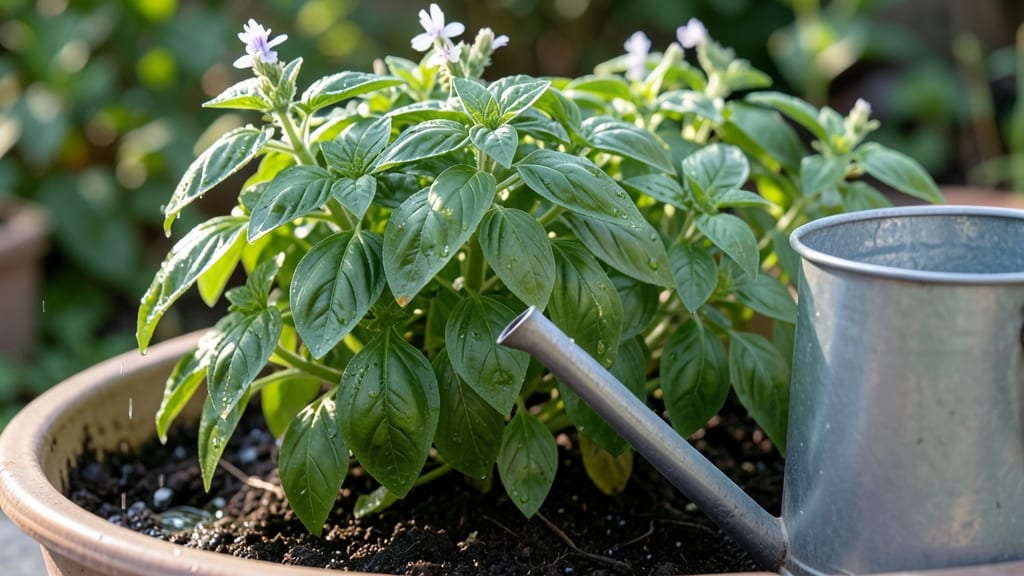
To water basil properly, aim for once daily in summer when the top inch of soil feels dry—morning watering keeps leaves crisp and flavorful for your next pesto.
Picture this: your basil thrives with the right routine, but overwatering turns those fragrant leaves bitter or wilted. The key is balance—too little, and your plant wilts; too much, and roots rot. I’ve seen both mistakes, and neither ends well for your kitchen garden.
Whether you’re growing basil in pots or garden beds, consistency is everything. Containers dry out faster, while in-ground plants hold moisture longer. Below, I’ll break down the exact schedule, how to check soil moisture, and what to watch for when your basil starts talking to you—through its leaves.
By the end, you’ll know not just how often to water basil, but when to adjust for heatwaves, rain, or indoor growing. Let’s get your basil lush, happy, and ready for harvest.
Basil watering schedule: when and how much for optimal growth
Basil is a finicky herb that demands consistent moisture without drowning in soggy soil. Unlike drought-tolerant plants, basil roots need even hydration to produce those signature fragrant leaves. The key lies in understanding its water needs—too much causes root rot, while too little leads to bitter flavors and wilting.
Let's break down the science-backed routine that keeps your basil thriving.
First, always water your basil in the morning. This timing prevents fungal diseases by allowing leaves to dry before evening. Aim for 1 cup of water per plant (or until water drains from the bottom of containers).
The goal is to keep the top 1-2 inches of soil moist but never waterlogged. Overwatering is the #1 killer of basil—it rots roots faster than you can say "pesto."
| Condition | Basil Watering Needs | Best Practice |
|---|---|---|
| Soil Moisture Check | Top 1-2 inches dry | Water thoroughly until drainage |
| Morning Watering | Daily (spring/summer) | Before 10 AM for evaporation |
| Container Size | Small pots: Every 1-2 days | Larger pots: Every 2-3 days |
| Seasonal Adjustments | Summer heat: Daily | Fall/Winter: Every 2-3 days |
| Signs of Overwatering | Yellow leaves, mushy stems | Let soil dry slightly between waterings |
For container-grown basil, check soil moisture daily during hot weather. Containers dry out faster than garden beds, so stick your finger 1 inch into the soil. If it feels dry, water until you see water running from the drainage holes.
Pro tip: Use a saucer under pots to catch excess water—never let basil sit in standing water for more than 30 minutes.
In garden beds, basil needs slightly less frequent watering but still requires attention. Mulch around the base with straw or shredded leaves to retain moisture and prevent soil crusting.
This mimics basil's natural Mediterranean habitat where consistent moisture is key. During heatwaves, increase watering to every 1-2 days—wilting basil recovers faster when hydrated properly.
Watch for visual cues that reveal your watering habits. Drooping leaves by midday mean your basil needs water immediately. Conversely, yellowing leaves or black spots signal overwatering. Basil's leaves should be perfectly upright with a glossy finish—this is your ideal moisture balance.
Adjust your routine based on these signals rather than sticking to a rigid schedule.
Temperature plays a crucial role in basil's water needs. In cooler months (spring/fall), reduce watering to every 2-3 days as the soil stays moist longer. During summer's peak heat, increase to daily watering and consider using a self-watering pot if you travel frequently.
Remember: basil's roots are shallow, so focus on frequent, shallow watering rather than deep soakings.
One common mistake is assuming rainwater counts toward your basil's hydration needs. While rain is great, it's unpredictable. Always check soil moisture after rainfall—sometimes 1 inch of rain isn't enough for container basil.
For garden beds, rain may reduce your watering by 1-2 days, but never skip your routine entirely. Consistency is what basil craves.
To test your watering technique, try this simple experiment: Water your basil thoroughly in the morning, then check the soil moisture at dusk. If the top inch is still damp, you're overwatering.
If it's bone dry, increase frequency. This hands-on approach beats guessing games. Over time, you'll develop an intuition for your basil's specific needs based on your microclimate.
For maximum flavor, pair proper watering with regular harvesting. Pinch off flowers and outer leaves to encourage new growth—this also helps basil use its moisture more efficiently. The more you harvest, the more your plant will signal when it needs water through its leaf posture.
Think of it as a two-way conversation between you and your basil.
Remember, every basil plant is unique. What works for your neighbor's basil might not suit yours due to differences in pot size, sunlight exposure, and humidity. Keep a watering journal for a month, noting when you water and how your plant responds.
This personalized approach will help you perfect your basil's hydration routine—leading to lush, flavorful leaves all season long. 🌿
Common basil watering mistakes and how to fix them
Even experienced gardeners sometimes struggle with basil watering. The most common mistakes—overwatering, poor drainage, and inconsistent schedules—can turn your vibrant basil into a sad, yellowing mess. Let’s troubleshoot these issues so your plants stay lush and flavorful.
Yellowing leaves often signal overwatering or root rot. Drooping stems or crispy edges? That’s usually underwatering or dry soil. Both extremes stress your basil, making it vulnerable to pests and disease. The key is balance—watering deeply but not drowning the roots.
⚠️ How Often to Water Basil—The Right Way
Basil needs consistent moisture but hates soggy soil. The golden rule: water when the top inch of soil feels dry. In summer, this could mean daily watering (morning is best), while cooler months may only need every 2-3 days. Always check soil moisture before watering—stick your finger in!
If your basil’s leaves turn yellow and mushy, it’s likely root rot from overwatering. First, stop watering immediately. Repot the plant in fresh, well-draining soil and ensure the container has drainage holes. For severe cases, trim away rotting roots and let the soil dry out completely before watering again.
Drooping stems often mean underwatering, but they can also signal heat stress. If the soil feels dry, water deeply until it drains from the bottom. For container basil, place the pot in a saucer of water for 10 minutes to rehydrate roots.
Move the plant to a spot with morning sun and afternoon shade if it’s wilting in intense heat.
Poor drainage is another silent killer. If your basil’s container lacks holes, water pools at the bottom, suffocating roots. Upgrade to pots with drainage or add a layer of perlite or gravel at the bottom.
For garden beds, amend heavy clay soil with compost or sand to improve airflow and drainage.
Lastly, avoid wetting the leaves when watering—this encourages fungal diseases like downy mildew. Water at the base of the plant and use a watering can with a narrow spout. Mulching with straw or shredded leaves helps retain moisture while keeping roots cool and healthy.
With these fixes, your basil will bounce back in no time. Keep an eye on soil moisture, adjust your watering routine, and soon you’ll be harvesting fragrant leaves for all your favorite dishes! 🌱