
Plants
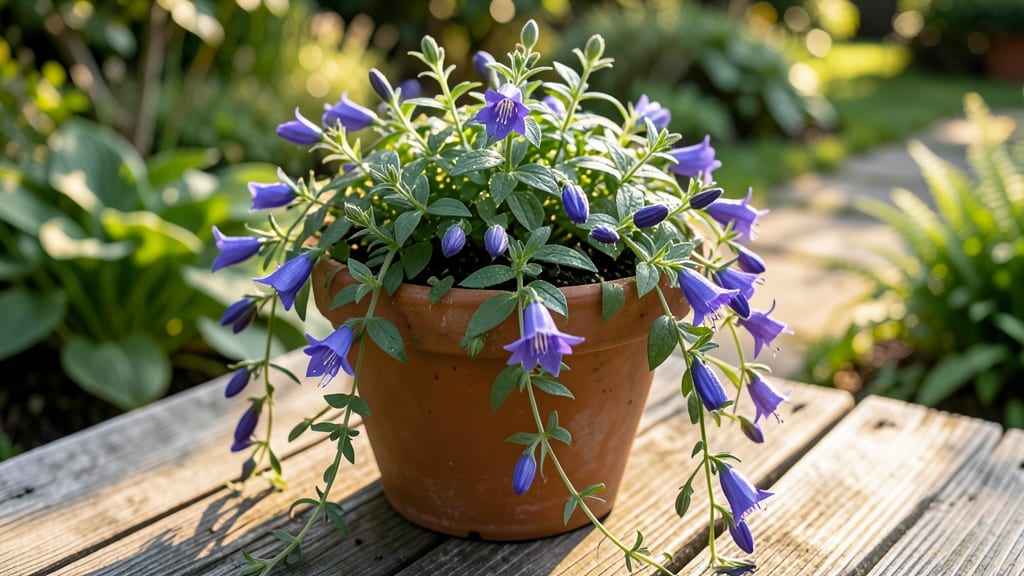
A trailing perennial is a plant that spreads horizontally along the ground, producing new growth from stems or runners while returning each year, offering seasonal color and ground cover without replanting.
A trailing perennial is a plant that spreads horizontally along the ground, producing new growth from stems or runners while returning each year, offering seasonal color and ground cover without replanting.
These plants are perfect for gardeners who want to create lush, low-maintenance landscapes. 🌿 Unlike annuals, they come back every year, saving you the hassle of replanting. Their horizontal growth habit helps suppress weeds, retain soil moisture, and create a natural, cohesive look in your garden.
Whether you're looking to fill gaps between shrubs or create a vibrant ground cover, trailing perennials are a game-changer for both aesthetics and functionality.
Popular choices like creeping thyme and ajuga are known for their hardiness and adaptability. They thrive in various climates, making them ideal for both sunny and partially shaded areas. Once established, they require minimal care, which is a huge plus for busy gardeners.
Plus, their ability to spread means you'll get more coverage over time, reducing the need for additional planting.
💡 In This Article
- How Trailing Perennials Spread and Establish Roots
- Best Trailing Perennials for Gardens and Landscapes
How trailing perennials spread and establish roots
Trailing perennials spread through specialized horizontal stems called stolons, rhizomes, or runners—each serving as a natural propagation system. Stolons, like those in creeping thyme, grow above ground and root at nodes along their length, creating new plants spaced 6-12 inches apart.
Rhizomes, found in plants like liriope, grow underground and store nutrients, allowing them to push out shoots at intervals of 3-6 inches. These structures enable plants to colonize space efficiently while conserving energy in their dormant state during winter.
The magic happens at the nodes—points where leaves and roots emerge. When a stolon or runner touches soil, it triggers hormonal changes that prompt root formation within 2-4 weeks. This process, called adventitious rooting, is why trailing perennials thrive even in challenging conditions.
For example, ajuga's runners can root in partial shade where many plants struggle, thanks to its ability to photosynthesize along the stem. The deeper the root system develops, the more drought-resistant the plant becomes, making it ideal for xeriscaping.
Climate plays a crucial role in their spread. In temperate zones, stolons may slow growth during cold months but resume vigorously in spring when soil temperatures reach 50-60°F. In warmer climates, continuous growth leads to denser coverage, but proper spacing (12-18 inches apart) prevents overcrowding.
The key to their survival is this balance—spreading enough to fill gaps but not so aggressively that they smother themselves. This adaptation explains why trailing perennials dominate natural landscapes, from meadows to forest edges.
What sets them apart from annuals or biennials is their perennial life cycle. While annuals complete their life in one season, trailing perennials allocate energy to both flowering (for reproduction) and vegetative growth (for spread).
For instance, creeping phlox produces vibrant spring blooms while simultaneously sending out stolons that root by summer. This dual strategy ensures they persist year after year, even in disturbed soils. Their ability to regenerate from just a few inches of stem makes them resilient against pests and environmental stressors.
Consider the example of Liriope muscari, a popular trailing perennial. Its rhizomes grow 1-2 inches below the surface, allowing it to tolerate foot traffic while still spreading. The plant's grass-like foliage stays green year-round in mild climates, providing year-long ground cover.
This adaptability is why it's a staple in both formal gardens and wild landscapes. The same principles apply to other trailing perennials, each fine-tuned to their specific ecological niche but all sharing this core survival strategy.
For gardeners, understanding these mechanisms means you can harness their natural tendencies. Pruning stolons in late summer can redirect energy to root development, while dividing established clumps every 3-4 years prevents overcrowding.
This knowledge transforms trailing perennials from mere ground cover into a dynamic, low-maintenance feature that evolves with your landscape. 🌱