
Plants
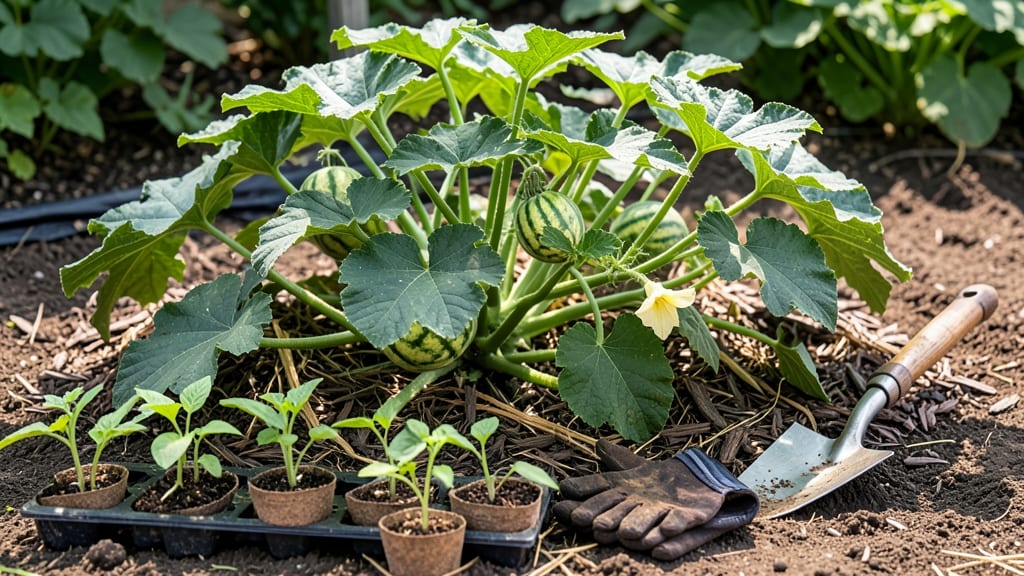
Planting watermelons in Alabama depends on waiting until soil warms to 70°F and all frost risk has passed — typically mid-April to early June for most of the state.
Get it wrong, and you’re either chasing off seedlings with a late cold snap or watching vines sprawl into fall without a single ripe fruit.
Alabama’s 7b–8b zones give you a long season, but the devil is in the timing: too early, and frost zaps your starts; too late, and summer’s heat arrives just as the fruit sets.
Below, I break down the exact planting windows by region, how to prep soil for fast germination, and which varieties handle Alabama’s humidity best. Whether you’re transplanting seedlings or direct-sowing, these adjustments mean the difference between a bounty of sweet 🍉 and a sad, scraggly vine.
You’ll also find pro tips for extending the season in cooler pockets of the state, like Huntsville, and how to spot the perfect harvest moment — because even in Alabama’s heat, not every watermelon is ready when it looks like it is.
Alabama watermelon planting dates by USDA Zone: exact months for peak yields
Alabama’s USDA Zones 7a–8b offer perfect conditions for growing watermelons, but the key to a bountiful harvest lies in precise timing. The last frost date in most of Alabama falls around March 15, but soil temperatures must reach 70°F (21°C) before planting.
In cooler Zone 7a areas, this often means waiting until mid-April, while Zone 8b gardeners can start as early as late March. Miss these windows, and you risk poor fruit set or bolting from heat stress.
Watermelons thrive in Alabama’s long, hot summers, with peak harvests typically occurring between July and September. To ensure your plants have enough time to mature, aim to plant 4–6 weeks before your first expected frost (usually mid-November).
This means early June is the absolute last planting window for most varieties. Choosing the right method—direct sowing or transplanting—can also make or break your success, depending on your zone and microclimate.
🌱 Alabama Watermelon Planting Comparison: Direct Sowing vs. Transplanting
| Method | Best for Zones | Planting Window | Soil Temp Requirement | Pros | Cons |
|---|---|---|---|---|---|
| Direct Sowing | 7a–8b | Mid-April to early June | ≥70°F (21°C) | Hardier plants, no transplant shock | Slower germination in cool soil |
| Transplanting | 7a (late start), 8b (early start) | Late March (Zone 8b) to early May (Zone 7a) | ≥60°F (15°C) for seedlings | Faster harvest, earlier yields | Transplant shock risk, higher cost |
💡 Pro Tip: For Zone 7a, start transplants indoors 4–6 weeks before last frost to extend your season.
For Zone 7a gardeners in northern Alabama (think Huntsville or Decatur), the optimal planting window is mid-April to early May. This timing accounts for slower soil warming and a higher risk of late frosts.
Use black plastic mulch to warm the soil faster and consider row covers for early plantings. In contrast, Zone 8b areas like Mobile or Dothan can start as early as late March for direct sowing, thanks to their earlier last frost dates and warmer soils.
If you’re transplanting seedlings, Zone 8b gardeners can begin hardening off plants indoors by mid-February and transplant outdoors by late March. For Zone 7a, delay until early May to avoid transplant shock from lingering cool nights.
Always harden off seedlings for 7–10 days before moving them outside to toughen their stems and leaves. Skipping this step can lead to wilting or even death in Alabama’s unpredictable spring weather.
One common mistake Alabama gardeners make is planting watermelons too early in hopes of an earlier harvest. However, cold soil below 60°F (15°C) can stunt germination and lead to poor root development. Use a soil thermometer to confirm temperatures before planting.
If your soil isn’t ready, opt for fast-maturing varieties like ‘Sugar Baby’ (60–70 days) or ‘Crimson Sweet’ (75–85 days) to maximize your chances of a harvest before the first frost.
Another critical factor is spacing. Watermelon vines spread 6–12 feet and need ample room to thrive. In Alabama’s heat, hill planting (mounding soil around the base) improves drainage and can boost yields by 20–30%.
Plant seeds 1 inch deep and 6 inches apart in hills spaced 3–5 feet apart. For transplants, space them 12–18 inches apart in hills to allow for better air circulation and reduce disease risk.
Alabama’s humid summers can also stress watermelon plants, leading to powdery mildew or cucumber beetles. To mitigate these issues, apply a mulch layer (straw or black plastic) to retain moisture and suppress weeds.
Additionally, drip irrigation delivers water directly to the roots, reducing humidity around the foliage and minimizing fungal diseases. Avoid overhead watering, especially in the evening, as this
How to adjust planting dates for Alabama’s microclimates and soil types
Alabama’s diverse geography means your watermelon planting dates can vary dramatically between Mobile’s coastal warmth and Huntsville’s mountain chill. Urban gardens in Birmingham face unique challenges too—like heat islands that bake soil faster than rural areas. Understanding these microclimates lets you fine-tune your schedule for bigger, sweeter harvests.
Soil type plays an equally critical role. Sandy soils in south Alabama drain too quickly, while clay-heavy soils in north Alabama hold moisture like a sponge. Even within the same city, your backyard’s sun exposure and wind patterns can shift optimal planting windows by weeks.
Let’s break down how to adapt your timing for these conditions.
Adjust Your Planting for Alabama’s Microclimates
- 🌡️ Coastal Areas (Mobile, Daphne): Start seeds indoors March 1-15 for transplanting April 15-May 1. Soil warms faster here—test at 70°F+ before direct sowing.
- 🏔️ High-Altitude (Huntsville, Decatur): Wait until May 1-15 for direct sowing. Use black plastic mulch to warm soil 2-3 weeks earlier.
- 🏙️ Urban Heat Islands (Birmingham, Montgomery): Plant 2 weeks earlier than rural areas. Monitor soil temps—concrete absorbs heat, speeding up germination.
- 🪴 Sandy Soils (Wiregrass Region): Add 2 inches of compost and use drip irrigation to retain moisture. Plant 1 week later than clay soils.
- 🏞️ Clay Soils (North Alabama): Amend with peat moss or pine bark to improve drainage. Plant 1 week earlier—clay holds heat longer.
For cooler microclimates, row covers can extend your season by 3-4 weeks. Install them after your last frost date (typically March 15 in north Alabama) to protect seedlings.
Remove covers when flowers appear to prevent heat stress. I’ve had great success with floating row covers in Huntsville—just secure them tightly to avoid wind damage.
Soil preparation is just as critical as timing. In sandy soils, mix in well-rotted manure or composted leaves to improve water retention. For clay soils, work in coarse sand or gypsum to break up compaction.
Test your soil’s pH—watermelons thrive in 6.0-6.8 range. If your soil is too acidic, add lime 2-3 months before planting.
Seed-soaking tricks can give you an edge in Alabama’s unpredictable spring. Soak watermelon seeds in warm water for 24 hours before planting to jumpstart germination. For extra insurance, use a seedling heat mat if starting indoors.
In my clay-heavy garden, this method has cut my germination time from 10 days to 5—critical when late frosts threaten.
Remember, watermelons hate cold feet. Even if your last frost date has passed, wait until soil temperatures hit 70°F (21°C) before planting. Use a soil thermometer—don’t guess! In Mobile, this might be early April, while in Huntsville, you may need to wait until mid-May.
Adjust your variety choice too: shorter-season varieties like ‘Sugar Baby’ work better in cooler areas.