
Pests and Diseases
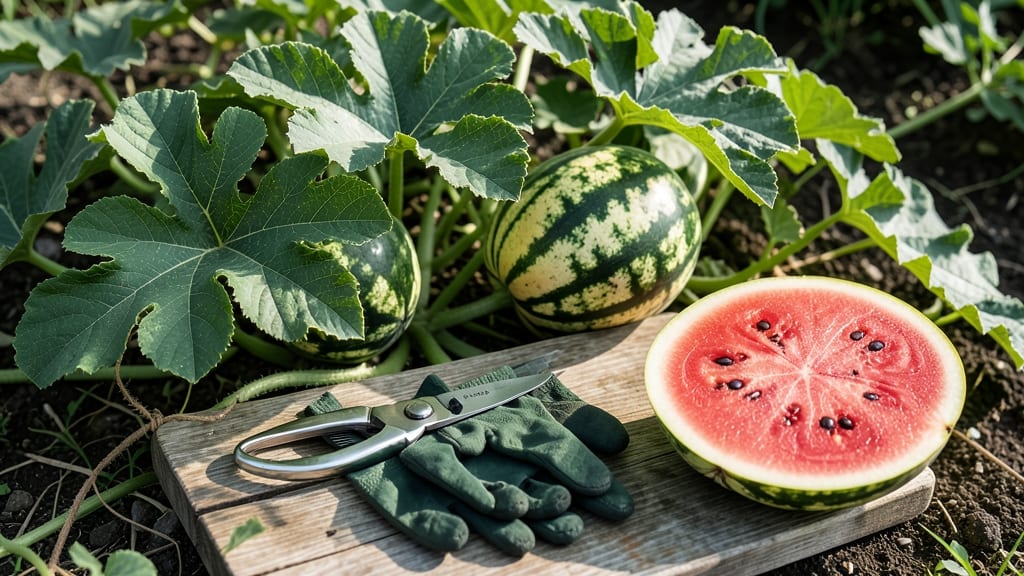
A ripe watermelon to cut is ready when it passes three simple checks: a creamy field spot, a deep rind color, and a dull thud when tapped 🍉.
Picking too early means watery, bland slices—but harvesting too late can leave you with a mealy, overripe mess. The difference between perfect and disappointing? Knowing the exact signs of ripeness.
Most gardeners rely on size or vine condition, but those clues often fail. Instead, I’ll show you how to use the "field spot" (that yellow patch where the melon rested), rind texture, and even the sound test to nail the harvest window every time.
By the end, you’ll confidently cut into watermelons at their peak—juicy, sweet, and ready for the table. No guesswork, just great-tasting results.

3 Field-tested signs a watermelon is ripe to cut
Nothing beats the satisfaction of slicing into a perfectly ripe watermelon—juicy, sweet, and bursting with flavor. But how do you know when that moment has arrived without cutting it open first?
The answer lies in three science-backed ripeness indicators: rind color, the field spot, and the thump test. These methods have been trusted by gardeners for decades, and mastering them ensures you never pick a watermelon too soon or too late.
Overripe watermelons turn mealy and bland, while underripe ones are watery and flavorless. The key is to combine these three tests for the most accurate results.
For example, a watermelon with a deep cream-colored rind, a yellow field spot, and a dull thump when tapped is almost guaranteed to be at peak ripeness. Let’s break down each method with expert tips to avoid common pitfalls.
| Ripeness Test | What to Look For | What to Avoid | Expert Tip |
|---|---|---|---|
| Rind Color | Deep, consistent color (cream, yellow, or dark green) with a waxy sheen | Dull, patchy, or uneven color | Check the underside—it should match the top. |
| Field Spot | Creamy yellow or orange patch where the melon rested on the ground | White, green, or brown spot | If the spot is yellowish-orange, it’s ripe. |
| Thump Test | Dull, hollow sound when tapped with knuckles | High-pitched or echoing sound | Tap near the field spot for accuracy. |
| Stem Condition | Dried, brown, and slightly shriveled stem | Green, moist, or still attached firmly | A dry stem indicates the melon is fully mature. |
| Weight | Feels heavy for its size (indicates high water content) | Lightweight or hollow-sounding | Lift the melon—if it feels dense, it’s ripe. |
The rind color is your first clue. A ripe watermelon’s rind transitions from dull green to a vibrant, deep hue—cream, yellow, or dark green, depending on the variety. For example, Seedless watermelons often develop a yellowish rind, while heirloom varieties like Moon and Stars stay green but darken significantly.
Pro tip: Run your fingers over the rind—it should feel slightly rough and waxy, not smooth or slimy.
Next, inspect the field spot, the patch where the watermelon rested on the ground. A ripe melon’s field spot turns a creamy yellow or orange. This color change signals that the fruit has fully matured and converted its starches into sugars.
If the spot is still white or green, the watermelon needs more time on the vine. I’ve seen gardeners overlook this sign and end up with bland-tasting fruit—don’t make that mistake!
The thump test is a classic for a reason: it’s simple and effective. Tap the watermelon firmly with your knuckles near the field spot. A ripe watermelon produces a dull, hollow thud, almost like thumping a melon in a grocery store.
If it sounds high-pitched or echoey, it’s underripe. Overripe melons may feel mushy, so combine this test with the others for accuracy. I always test 2-3 melons at once to compare results.
Don’t forget to check the stem condition. The stem near the fruit should be dried, brown, and slightly shriveled. A green or moist stem means the watermelon isn’t ready yet.
This is a critical sign because it indicates the plant has stopped nourishing the fruit. I’ve found that some gardeners harvest too early just because the vine looks healthy—always double-check the stem!
Finally, pick up the watermelon and assess its weight. A ripe watermelon feels heavy for its size because it’s packed with water and sugar. Lift it in your hands—if it feels light or hollow, it’s not ready.
This test works best when combined with the others, as weight alone isn’t foolproof. For instance, a small but dense watermelon might be ripe, while a large but lightweight one is likely underripe.
Putting it all together, these three signs—rind color, field spot, and thump test—give you a foolproof way to determine ripeness. I’ve used these methods for years in my garden, and they’ve never failed
How to check watermelon ripeness without cutting it open
Every gardener knows the frustration of slicing into a watermelon only to find it underripe and bland—or worse, overripe and mushy. The good news? You can determine ripeness without cutting by mastering three simple, science-backed tests.
These methods rely on visual cues, texture, and even sound to give you the green light for harvest.
Start by examining the field spot, that creamy yellow patch where the watermelon rested against the soil. A ripe watermelon will have a deep yellow or orange field spot that feels slightly soft when pressed.
This spot develops as the fruit matures and absorbs sunlight. If it's still pale or greenish, your watermelon needs more time on the vine.
Next, focus on the rind texture and color. A ripe watermelon's rind transitions from dull to shiny and deepened color, whether that's green, yellow, or striped.
Run your fingers over the surface—it should feel smooth with a slight waxy sheen. If the rind is rough or dull, the fruit isn't ready yet.
🔍 Step-by-Step Ripeness Check
-
1. Check the Field Spot
Look for a creamy yellow/orange patch on the ground-facing side. Press gently—it should yield slightly. -
2. Inspect the Rind
Run your hand over the surface. A ripe watermelon has a shiny, deep-colored rind (green, yellow, or striped) with a waxy texture. -
3. Perform the Thump Test
Tap the watermelon with your knuckles. A ripe one produces a dull, hollow sound (like thumping a melon). Avoid hollow "pinging" sounds. -
4. Weigh It in Your Hands
Lift the watermelon—it should feel heavy for its size, indicating high water content and ripeness. -
5. Examine the Stem
Check the stem near the fruit. If it's dried, brown, and crisp, the watermelon is ready. A green, flexible stem means it's not ripe.
✅ All 5 signs = Perfectly ripe watermelon!
Don't overlook the thump test, a classic trick that works surprisingly well. Tap the watermelon firmly with your knuckles—it should produce a dull, muffled sound.
If it sounds hollow or "pingy," the fruit is underripe. This test works because ripe watermelons have high water content, which dampens sound.
Finally, trust your instincts with the weight test. A ripe watermelon feels heavy for its size because it's packed with juicy flesh. If it feels light, it's likely underripe. Combine all these methods for the most accurate results—no guesswork required!
Pro tip: Harvest watermelons in the morning when temperatures are cooler. This helps preserve their sweetness and texture after picking. With these techniques, you'll never second-guess your harvest again! 🍉