
Diseases
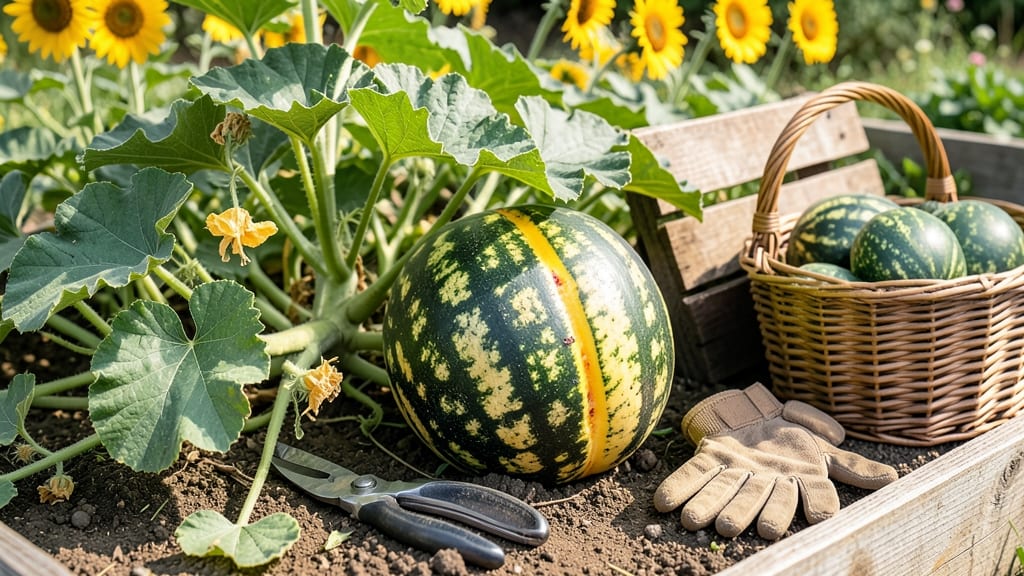
When is yellow watermelon in season? The fleeting window between July and September turns grocery store shelves from "meh" to "must-have" if you know where to look.
If you’ve ever grabbed a watermelon expecting that golden, honey-sweet flesh only to find it bland and watery, you’re not alone. The difference between a dull grocery-store variety and a burst-of-flavor heirloom often comes down to timing—and knowing when to plant or where to source them.
These specialty melons thrive in warm climates but need precise conditions to develop their signature color and taste. In Zone 6a, gardeners plant seeds in April–May after the last frost, while Southern growers might stretch their season into October with the right tricks.
Even if you’re not growing your own, farmers’ markets and specialty grocers stock them during their short peak.
Here’s how to pinpoint the exact months for your region, spot the ripest 🍉 at the market, and even extend your harvest window—because missing this season means waiting another year for that perfect bite.
Yellow watermelon season by US growing region: exact months for harvest
Yellow watermelons are a rare, sweet treasure that thrive under specific seasonal conditions. Unlike their green-skinned cousins, these golden-fleshed varieties require precise timing for peak ripeness.
Whether you're a commercial farmer or home gardener, knowing your USDA hardiness zone determines when to expect harvests—typically between June and September, but with regional variations that can shift your timeline by weeks.
Climate plays a critical role in yellow watermelon ripeness. Southern gardeners in Zones 8-11 often enjoy harvests as early as late May, while Northern growers in Zones 3-6 may wait until mid-August.
Heat waves, rainfall patterns, and early frosts can all delay or advance your harvest window. Understanding these factors helps you plan planting dates and manage expectations for the juiciest fruit.
| USDA Zone | Peak Harvest Months | Planting Window | Key Climate Notes |
|---|---|---|---|
| Zones 3-5 | Late August–September | Mid-May–June (after frost) | Short season; use row covers to extend warmth |
| Zones 6-7 | July–August | Late April–May | Moderate heat; monitor for powdery mildew |
| Zones 8-9 | June–July | March–April | Long growing season; early varieties recommended |
| Zones 10-11 | May–June | February–March | Year-round growth; shade cloth for summer heat |
🌱 Note: Adjust planting dates 2–4 weeks earlier for high-altitude regions.
In Southern states like Florida or Texas, yellow watermelons often ripen earlier than their Northern counterparts. The longer growing season and warmer temperatures allow seeds planted in February or March to produce fruit by late spring.
Commercial farms in these regions may even offer year-round varieties, though flavor peaks during summer months when daylight is longest.
Northern gardeners face shorter harvest windows but can still succeed with early-maturing varieties like ‘Yellow Doll’ or ‘Moon and Stars’. These 60-70 day varieties thrive in Zones 4-6 when planted after the last frost, typically in late May.
Using black plastic mulch to warm soil can shave off 1-2 critical weeks of growth time, pushing harvests into early August.
Climate extremes can drastically alter harvest timing. Drought conditions slow ripening, while excessive rainfall increases disease risk. In humid climates, yellow watermelons may develop bacterial spots or fungal infections, requiring proactive fungicide treatments.
Conversely, arid regions like Arizona or Nevada need consistent irrigation to prevent blossom-end rot, a common issue for golden-fleshed varieties.
For home gardeners, tracking fruit development is key. Look for cream-colored undersides, brown tendrils, and a hollow sound when tapped.
In cooler climates, these signs may appear 2-3 weeks later than in the South. Commercial growers often use predictive models that factor in soil temperature, daylight hours, and historical weather data to forecast exact harvest dates.
If you’re planting for a fall festival or market sale, aim for late-summer varieties that mature in 80-90 days.
In Zones 7-9, this means starting seeds in early June for a September harvest. Succession planting every 2 weeks ensures a steady supply of ripe fruit throughout the peak season.
Yellow watermelons are not as widely available as red-fleshed varieties, so local farmers’ markets are your best bet for fresh, vine-ripened fruit. Grocery stores often carry them only during peak months, typically July and August nationwide.
For off-season cravings, consider preserving excess harvests via freezing or dehydrating—though nothing beats the first bite of a sun-warmed, just-picked yellow watermelon.
🌞 Pro Tip: In transition zones (Zones 6-7), plant half your seeds early (April) and half late (June) to stagger harvests and extend your season by up to 6 weeks.
How to extend yellow watermelon season: tips for earlier or later harvests
Yellow watermelons like 'Moon and Stars' and 'Yellow Doll' are finicky about timing—just a few degrees or weeks can mean the difference between a bountiful harvest and a failed crop.
If you're in a short-season zone or want to enjoy them earlier or later than usual, these strategies will help you push your harvest window by 2–4 weeks without sacrificing flavor or quality.
First, let’s address the biggest challenge: cold soil and frost. Yellow watermelons need warm soil (70°F+) to germinate and thrive, which is why gardeners in cooler climates often miss out.
By using soil warming techniques and protective covers, you can create the ideal conditions even when the weather isn’t cooperating.
- Use black plastic mulch or clear plastic tunnels to warm soil by 5–10°F faster than bare ground.
- Plant early-maturing varieties like 'Moon and Stars' (70 days) instead of 'Yellow Doll' (85 days) to shave off critical weeks.
- Cover seedlings with floating row covers to protect against late frosts and extend the growing season by 3 weeks.
- Set up a cold frame over young plants to trap heat and allow planting 2–3 weeks earlier than your last frost date.
- Use drip irrigation with soil thermometers to monitor and maintain optimal 70–90°F soil temps.
For gardeners in Northern climates, starting seeds indoors under grow lights is a game-changer. Transplant seedlings into the garden as soon as soil temperatures hit 70°F, even if nighttime temps are still chilly.
Pair this with row covers to shield plants from unexpected cold snaps, which can stunt growth or kill vines entirely.
If you’re aiming for a later harvest, focus on shade cloth and mulching. As summer heats up, yellow watermelons can struggle with bolting or poor fruit set if temperatures exceed 95°F.
Install a 30% shade cloth during peak afternoon sun to keep vines cool and extend the growing season into early fall. Mulch heavily with straw or wood chips to retain moisture and regulate soil temperature.
Finally, don’t overlook the power of succession planting. Instead of planting all your seeds at once, stagger them every 2 weeks to ensure a continuous harvest. This works especially well for short-season varieties like 'Sugar Baby', which can produce fruit in as little as 65 days.
Combine this with soil warming techniques, and you’ll have yellow watermelons stretching from late June to early October—even in cooler zones.
With these strategies, you’ll turn your garden into a year-round yellow watermelon oasis, no matter where you live. The key is planning ahead and giving your plants the ideal conditions they crave—because once you taste that sweet, honeyed flesh, you’ll never want to miss a season again! 🌱