
Companion Plants
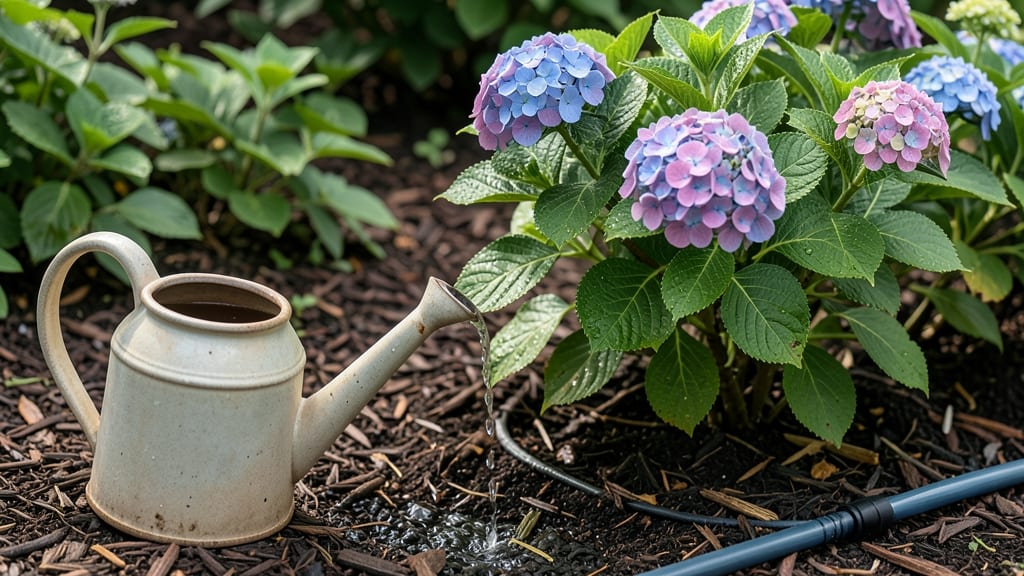
Plants should be watered when the top 1-2 inches of soil feel dry to the touch — a simple rule that saves most gardeners from the silent killer of overwatering.
Overwatering kills more plants than underwatering—and most gardeners don’t realize they’re doing it. The secret to thriving 🌱 General Plants lies in timing watering based on soil conditions, not a rigid schedule.
Morning watering is ideal for most plants because it reduces evaporation and gives roots time to absorb moisture before the heat of the day. But in Zone 6a, where spring rains can be unpredictable, checking soil moisture is the best guide.
Below, I’ll show you 5 foolproof tests to know when your plants truly need water, plus how to adjust for drought, containers, and seasonal shifts.
5 Soil moisture tests to determine when plants need water
Watering your garden based on guesswork leads to either soggy roots or thirsty plants. Instead of relying on a weekly schedule, use these soil moisture tests to determine when your plants actually need water.
Each method gives you precise insights into root zone hydration, helping you avoid both overwatering and underwatering. The key is checking moisture at the root level—not just the surface—where plants absorb water most effectively.
Most gardeners make the mistake of watering based on time rather than soil conditions. For example, you might think your tomatoes need water every morning, but if the soil is still damp from yesterday's rain, you're wasting water and risking root rot.
These five science-backed tests will help you water smarter, not harder. Start with the simplest methods, like the finger test, and gradually incorporate tools like moisture meters for more accuracy.
- 1 Finger Test (1-2 inches deep): Stick your finger into the soil. If it feels dry and crumbly, it's time to water. If it's cool and moist, wait 1-2 more days.
- 2 Moisture Meter (0-4 range): Insert the probe 2-3 inches deep. Readings of 1-2 mean water soon; 3-4 means wait. Calibrate for your soil type (clay holds moisture longer than sandy soil).
- 3 Weight Check (Container Plants): Lift your potted plant. If it feels noticeably lighter than when full of water, it's time to hydrate. A heavy pot means roots are still happy.
- 4 Chopstick Test (3+ inches deep): Push a clean chopstick into the soil. Pull it out and observe the moisture. If it comes out clean and dry, water deeply. If damp, delay watering for 24-48 hours.
- 5 Visual + Leaf Inspection: Look for wilting leaves (underwatering) or yellowing leaves (overwatering). Check the soil surface—if it's cracked, it's a sign of dryness below.
The finger test is the most accessible method and works for almost any plant, from herbs like basil to vegetables like cucumbers. For example, if you're growing tomatoes in your backyard, insert your finger about 2 inches deep near the stem.
If the soil feels dry, water immediately. However, if it's still cool and moist, hold off for another day or two. This simple test eliminates guesswork and ensures your plants get water only when they truly need it.
For gardeners who prefer a more technical approach, a moisture meter provides instant, objective readings. These tools measure volumetric water content in the soil, giving you a precise number to rely on. Most meters have a 0-4 scale, where 0 means bone-dry and 4 means saturated.
Aim to keep your soil in the 1-2 range for most annual plants like lettuce or perennials like lavender. Remember to adjust your watering based on your soil type—sandy soil dries out faster than loamy soil, so you may need to water more frequently.
Container gardens often require a different approach because they dry out much quicker than in-ground plants. The weight check is perfect for potted plants like succulents or herbs. Lift your pot before watering—if it feels light, the roots are likely thirsty.
For example, a 6-inch pot of basil might need water every 2-3 days in hot weather, while a 12-inch pot of rosemary could go 5-7 days without watering. Always water until it drains from the bottom, ensuring the roots get a thorough soak.
If you're unsure about the depth of your plant's roots, the chopstick test is a great alternative. Push a clean chopstick 3-4 inches deep into the soil and leave it for a few minutes. When you pull it out, check the moisture level.
If the stick comes out clean, it's time to water. If it's damp, your plants are still hydrated. This method works especially well for deep-rooted plants like asparagus or artichokes, where surface moisture can be misleading.
Finally, don’t ignore the visual cues your plants give you. Wilting leaves are a clear sign of thirst, but yellowing leaves or mushy stems indicate overwatering. For instance, if your pepper plants start to droop in the afternoon, they likely need water.
However, if the leaves turn yellow and feel mushy, you may be overwatering. Always pair visual inspections with soil tests to get the full picture. Pay attention to the time of day—wilting in the morning often means underwatering, while wilting in the evening could signal overwatering.
Start with one or two of these tests and gradually incorporate more as you become comfortable. Over time, you'll develop an intuitive sense of when your plants need water, leading to healthier roots and more abundant growth.
Remember, the goal is to keep the soil consistently moist—not soggy or dry. With these methods, you'll water like a pro and watch your garden thrive. 🌱
Best watering times by plant type: indoor vs outdoor vs container gardens
Timing your watering schedule can mean the difference between a thriving garden and a struggling one. Morning watering is ideal for most plants because it allows foliage to dry quickly, reducing fungal risks.
However, container plants and succulents often need different approaches. Let’s break down the best practices for different plant types and environments to keep your garden healthy.
Outdoor plants like vegetables and herbs typically thrive with morning watering, while indoor plants may need more frequent but lighter watering. Drought-resistant species, such as lavender or cacti, require even less attention.
Understanding these nuances ensures your plants get the right amount of water without wasting resources or causing root rot.
| Plant Type | Best Watering Time | Frequency | Notes |
|---|---|---|---|
| Vegetables (tomatoes, peppers) | Morning (6-9 AM) | Every 2-3 days | Deep watering to encourage root growth |
| Herbs (basil, parsley) | Morning or evening | Every 1-2 days | Keep soil consistently moist |
| Succulents (aloe, cacti) | Mid-morning (10-11 AM) | Every 2-3 weeks | Allow soil to dry completely between waterings |
| Container plants (potted herbs, flowers) | Morning or evening | Every 1-3 days | Drain excess water to prevent root rot |
| Indoor plants (snake plant, pothos) | When topsoil is dry | Every 7-14 days | Use well-draining pots |
For outdoor gardens, morning watering is the gold standard. It minimizes evaporation and gives plants a head start in the day.
However, if you must water in the evening, do so at least 3 hours before sunset to avoid fungal diseases like powdery mildew. Container gardens often dry out faster, so check soil moisture daily during hot weather.
If you’re growing drought-resistant plants, like rosemary or sedum, let the soil dry out completely between waterings. These plants store water in their leaves and stems, so overwatering can be just as harmful as underwatering.
Always use a well-draining soil mix and avoid sitting containers in saucers filled with water.
Adjust your watering schedule based on seasonal changes and weather conditions. In summer, you may need to water daily, while winter often requires less frequent watering. Pay attention to your plants’ leaf color and growth patterns—wilting or yellowing leaves can signal overwatering or underwatering.
Pro tip: Use a moisture meter or the finger test to check soil moisture before watering. Stick your finger about an inch into the soil; if it feels dry, it’s time to water. For container plants, lift the pot—if it feels light, it’s likely dry and needs water.