
Fertilization
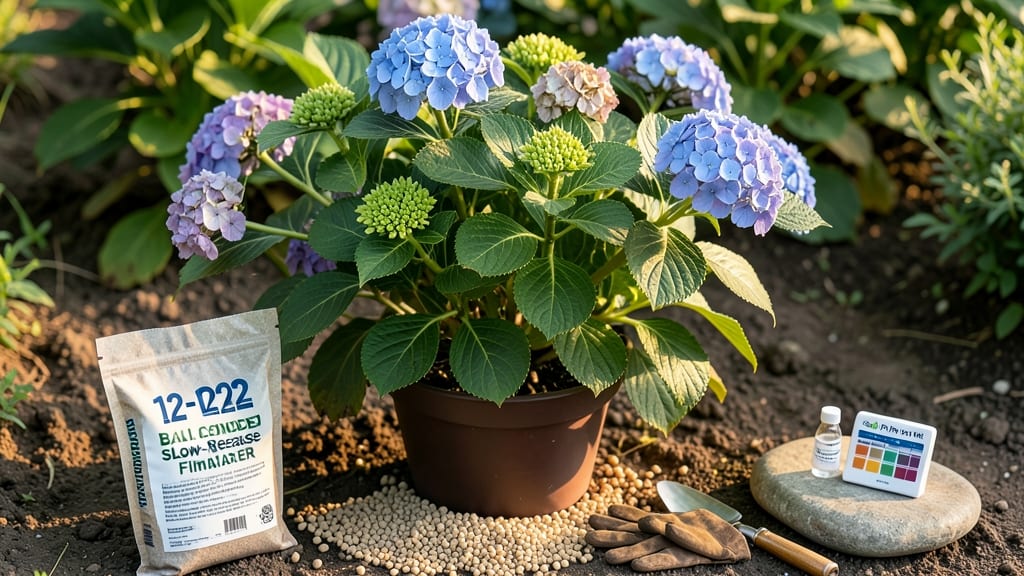
To fertilize perennials and shrubs, time it in early spring before new growth appears, with a second feeding in late spring or early summer for flowering plants. Adjust schedules for cooler climates to prevent late-season stress, and never fertilize during winter dormancy or drought.
Timing matters because perennials and shrubs have distinct growth cycles that determine when they can best absorb nutrients. 🌱 In early spring, plants wake up from dormancy and need a nutrient boost to support root development and early foliage.
For flowering varieties, that second application in late spring or early summer ensures vibrant blooms by providing phosphorus and potassium when plants are actively producing flowers. Cooler climates often require delaying fertilization until after the last frost, as cold soil can slow nutrient uptake and even damage tender roots.
What I’ve learned from years of gardening is that regional differences play a huge role. In warmer climates like Zone 9, you might fertilize as early as February, while in colder Zones 3-5, waiting until May or June makes more sense.
Evergreens and deciduous shrubs also have different needs—evergreens often need a lighter, more frequent feeding, while deciduous shrubs can handle a heavier dose less often. Always check your soil first: if it’s already nutrient-rich, you might skip the fertilizer entirely or use a very diluted solution.
💡 In This Article
- Understanding Perennial and Shrub Growth Cycles for Fertilization
- Seasonal Fertilization Schedule by Plant Type and Region
Understanding perennial and shrub growth cycles for fertilization
Perennials and shrubs follow predictable biological rhythms that dictate when they can most effectively absorb nutrients. In early spring, as temperatures rise above 50°F, plants emerge from dormancy and begin actively growing roots—this is when they crave nitrogen for leaf development.
The key trigger is soil temperature: roots typically become active when the ground reaches 55-60°F, signaling it's time to feed. 🌱 For flowering varieties, the second fertilization window opens in late spring when plants shift focus to bloom production, requiring phosphorus for root and flower development.
Climate zones dramatically alter this timing. In Mediterranean climates (Zone 9-10), where winters are mild, you might fertilize as early as February to capitalize on the cool, moist winter months. Conversely, in colder Zones 3-5, waiting until after the last frost (typically May-June) prevents fertilizer burn in frozen soil.
Evergreens like boxwoods or holly have different needs—they continue slow growth year-round, so a light feeding in early spring and again in mid-summer works best, while deciduous shrubs like hydrangeas can handle a heavier dose in early spring with a second application during peak bloom.
What most gardeners overlook is how growth stages dictate nutrient needs. Foliage-focused plants (like hostas) need nitrogen-heavy fertilizers in spring, while flowering varieties (like daylilies) benefit from phosphorus-rich formulas when buds form. Ornamental grasses, which grow later in the season, often do better with a summer feeding.
The science here involves understanding that plants absorb nutrients most efficiently when their metabolic activity matches the fertilizer's availability—this is why timing matters more than quantity.
Dormancy periods are critical too. During winter, perennials and shrubs conserve energy, and fertilizing can actually harm them by encouraging new growth in unfavorable conditions. The same goes for drought periods—when plants are stressed, they can't process nutrients effectively, and excess salts from fertilizers can damage roots.
This is why we always recommend checking soil moisture before fertilizing: if the top 2 inches are dry, hold off until after a good rain.
Here's what's actually happening at the cellular level: Fertilizers provide essential macronutrients (nitrogen, phosphorus, potassium) that plants convert into amino acids, nucleic acids, and sugars through photosynthesis. In spring, when chlorophyll production ramps up, plants can process these nutrients much faster.
The challenge is matching this biological clock with your local climate—what works in Arizona's heat won't translate to Minnesota's short growing season. 🌿
Consider these key factors when planning your schedule:
- Root activity: Fertilize when roots are growing (55-60°F soil temp)
- Plant type: Flowering plants need phosphorus; foliage plants need nitrogen
- Climate zone: Adjust timing by 2-4 weeks earlier in warm climates
- Seasonal stress: Never fertilize during drought or winter dormancy