
Plants
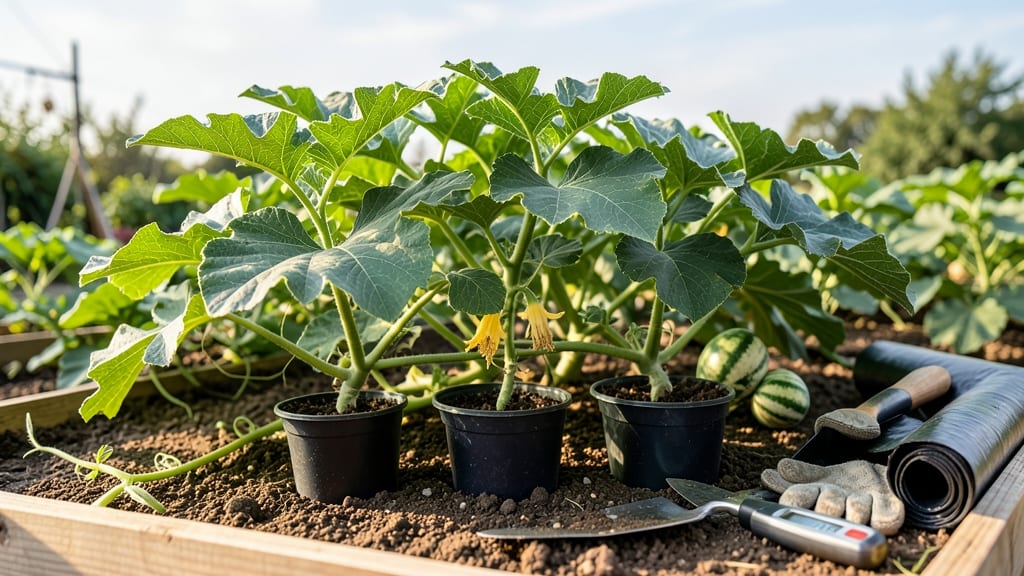
Plant watermelon in Kansas after your last frost date — typically mid-April in 5b and early May in 7a — when soil temperatures hit 70°F or warmer.
Timing is everything, and Kansas gardeners know that planting too early means frost will kill your 🍉 seedlings before they even sprout. Too late, and you’ll miss the sweet, sun-ripened harvest that Kansas summers are famous for.
This guide breaks down the exact frost-free dates by zone, soil temperature tricks to speed up planting, and how to choose varieties that thrive in Kansas’ 165-day growing season. Whether you’re direct-sowing seeds or transplanting seedlings, you’ll learn the 3-step process to maximize your yield.
From adjusting for late frosts to handling heatwaves, we’ll cover everything you need to grow watermelons that are bigger, sweeter, and ready by July—no guesswork involved.
Kansas watermelon planting dates by USDA hardiness Zone (2024 guide)
Watermelons thrive in Kansas’ warm climate, but getting the timing right is critical—soil temperatures under 60°F (15°C) can stall germination, while late frosts after planting will kill tender seedlings. Kansas spans USDA Zones 5b through 7a, meaning frost-free dates vary dramatically from north to south.
I’ll break down the exact windows for direct sowing vs. transplanting, plus soil temperature thresholds you must meet for success.
In Zone 5b (northern Kansas), the average last frost date is April 20–May 5, but watermelons need consistent 70°F+ soil to germinate—often waiting until late May. Meanwhile, Zone 7a (southern Kansas) can start planting as early as April 1–15 once nighttime temps stay above 55°F (13°C).
The key? Use black plastic mulch to warm soil faster if you’re eager to plant early.
Watermelon seeds germinate best in 75–95°F (24–35°C) soil, which is why most Kansas gardeners wait until after Memorial Day for direct sowing. If you’re transplanting seedlings, start them indoors 3–4 weeks before your last frost date or use a greenhouse to harden them off. Seedlings need 4–6 weeks to mature enough for transplanting, so time this carefully!
Here’s your zone-by-zone planting calendar, including soil temp targets and optimal transplant windows:
| USDA Zone | Avg. Last Frost | Soil Temp for Planting | Direct Sow Window | Transplant Window | Notes |
|---|---|---|---|---|---|
| Zone 5b | April 20–May 5 | 70°F+ (21°C+) | Late May–early June | May 15–June 1 (seedlings) | Use row covers for early starts |
| Zone 6a | April 10–20 | 65°F+ (18°C+) | Mid-April–May 15 | April 25–May 10 | Black plastic mulch speeds germination |
| Zone 6b | April 5–15 | 60°F+ (15°C+) | Early April–May 10 | April 15–April 30 | Monitor for late frosts |
| Zone 7a | March 25–April 10 | 55°F+ (13°C+) | March 30–April 30 | March 15–April 15 | Longest growing season—try early varieties |
For direct sowing, plant seeds 1 inch deep and 12–18 inches apart in hills, spacing hills 5–6 feet apart to accommodate sprawling vines.
If you’re transplanting seedlings, harden them off for 7–10 days before moving to the garden. Seedlings need 4–6 weeks to establish roots, so don’t rush—wait until soil is warm enough to avoid shock.
Pro tip: Use a soil thermometer to check depth (2 inches down).
If temps dip below 60°F (15°C) at night, cover seedlings with frost blankets until danger of frost passes. Black plastic mulch can raise soil temps by 5–10°F, giving you a 2–3 week head start on the season in cooler zones like 5b.
In Zone
How to adjust planting for Kansas’ unpredictable weather patterns
Kansas’ weather can throw curveballs—one day it’s 60°F with frost warnings, the next it’s 95°F with drought conditions. Watermelons need consistent warmth and moisture, so adjusting your planting schedule is key. I’ve learned to use row covers and mulching to protect seedlings while speeding up soil warming.
Start by monitoring your local frost-free dates—typically April 15 in Zone 5b and May 1 in Zone 7a. But don’t rely on averages; check the National Weather Service for real-time updates.
For Sugar Baby or Crimson Sweet varieties, wait until soil temps hit 70°F—use a soil thermometer to confirm.
Here’s how to adapt your planting for Kansas’ wild swings:
- 🌡️ Use black plastic mulch to warm soil 10°F faster—plant seeds directly into it after last frost. This trick adds 2-3 weeks to your growing season.
- 🛡️ Row covers (floating fabric) protect seedlings from late frosts (28°F tolerance). Remove when flowers appear to prevent overheating.
- 💧 Drip irrigation delivers consistent moisture without wetting leaves (reduces powdery mildew). Water at soil level in the morning.
- 🌿 Mulch with straw after vines spread to retain 30% more moisture and suppress weeds. Replenish every 4-6 weeks.
- ⏰ Stagger plantings every 10-14 days for a continuous harvest. Early May + late May = July-September yields.
For heatwaves, shade cloth (30-50%) can prevent blossom drop during 95°F+ days. I’ve seen watermelon flowers wilt under direct sun—shade cloth buys you critical pollination time. Pair this with morning watering to keep roots cool.
If drought hits, prioritize deep watering every 2-3 days instead of light daily doses. Watermelons need 1-2 inches of water weekly, but drip irrigation delivers it efficiently. Avoid overhead sprinklers—they spread disease and waste water.
Finally, choose heat-tolerant varieties like Charleston Gray (thrives in 90°F+) or Crimson Sweet (early maturity). These handle Kansas’ unpredictable summers better than standard types. With these adjustments, you’ll beat the weather and enjoy homegrown watermelons by July.