
Plants
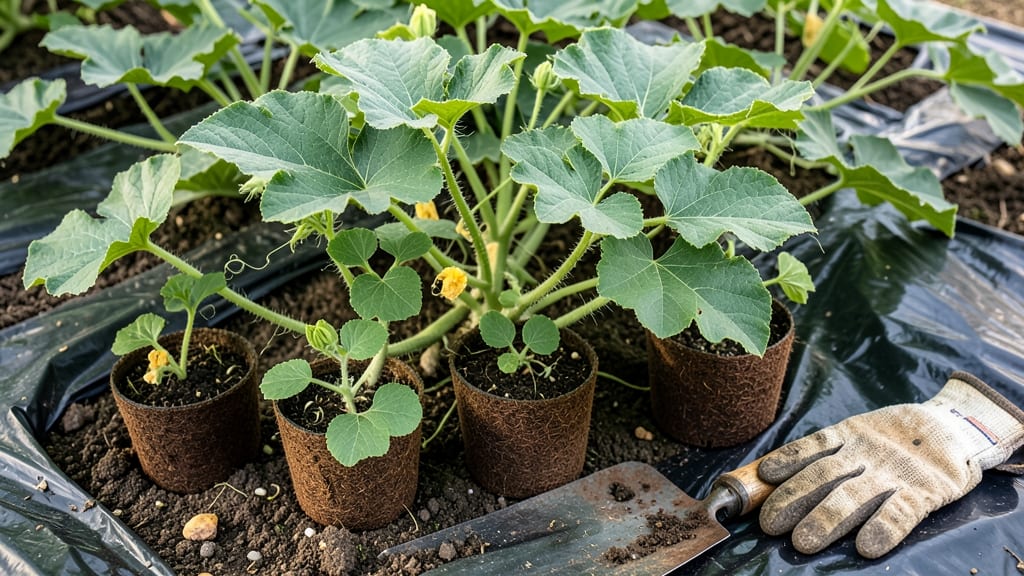
To plant watermelon in South Carolina, wait until soil temperatures hit 70°F after your last frost — usually mid-April to mid-May for most of the state.
Planting watermelons in South Carolina’s humid climate can mean the difference between a bountiful harvest and a disappointing flop—timing is everything. Get it wrong, and you’ll end up with stunted vines or fruit that never ripens before the summer heat peaks.
Here’s the secret: the 2-3 week window after your last frost is critical, but it also depends on your region. Coastal areas like Charleston have a longer growing season, while the Upstate’s cooler nights might need a heat-loving variety like 'Crimson Sweet' to thrive.
Below, I’ll break down the exact frost-free dates by zone, how to adjust for early vs. late harvests, and the one trick that extends your growing season by up to 2 weeks—no matter where in SC you garden.
South Carolina’s frost-free dates & optimal watermelon planting windows
South Carolina’s humid climate and varied microclimates make timing your watermelon planting critical for success. Unlike cooler crops, watermelons demand warm soil (70°F+) and consistent heat to thrive.
Plant too early, and your seeds will rot in cold soil; too late, and your harvest may arrive during fall’s first frost. The key? Understanding your region’s frost-free dates and heat zones.
SC spans three distinct gardening regions—Upstate (Zone 7b-8a), Midlands (Zone 8a), and Lowcountry (Zone 8b-9a)—each with unique planting windows. The average last frost dates range from early March in the Lowcountry to mid-April in the Upstate.
For watermelons, this means your optimal planting window shifts from late March (coastal areas) to mid-May (mountain regions).
Here’s the critical data you need to plan your watermelon harvest for July-September, including soil temperature thresholds and heat-tolerant variety recommendations for each region.
| Region | Avg. Last Frost | Optimal Planting Window | Soil Temp. Requirement | Best Varieties | Harvest Window |
|---|---|---|---|---|---|
| Lowcountry (Charleston, Hilton Head) | March 1-15 | Late March–Early April | 70°F+ (earlier than Upstate) | 'Sugar Baby', 'Crimson Sweet' | June–August |
| Midlands (Columbia, Florence) | March 15–April 1 | Mid-April–Early May | 75°F+ (warmer soil needed) | 'Jubilee', 'Black Diamond' | July–September |
| Upstate (Greenville, Asheville) | April 15–May 1 | Mid-May–Early June | 80°F+ (longer wait for soil) | 'Crimson Sweet', 'Moon & Stars' | August–Early October |
In the Lowcountry, where winters are milder, you can start seeds as early as late March. The warmer soil and longer growing season allow for earlier harvests, but be cautious—humidity can promote fungal diseases. Use black plastic mulch to warm the soil faster and reduce moisture on leaves.
For the Midlands, aim to plant by early May to avoid late spring frosts that can still occur. This region’s hotter summers suit heat-tolerant varieties like 'Jubilee,' which thrives in temperatures up to 95°F. Monitor soil moisture closely—drought stress can cause bitter fruit.
The Upstate’s cooler climate demands patience. Wait until mid-May when soil temperatures consistently reach 80°F. Varieties like 'Moon & Stars' handle shorter growing seasons well, but consider using row covers for early starts.
If you plant too late, your harvest may arrive just as fall’s first frost nears (typically mid-November).
Pro tip: Use a soil thermometer to confirm readiness—watermelon seeds won’t germinate below 70°F. If your soil is still cold, opt for black plastic mulch or a cold frame to accelerate warming.
In cooler regions, starting seeds indoors in biodegradable pots (4-6 weeks before last frost) can give you a head start.
Remember, watermelons need 6-10 hours of full sun daily and well-draining soil with a pH of 6.0–6.8. Amend heavy clay soils with compost or sand to improve drainage. Once planted, maintain 1-2 inches of water weekly, focusing on the root zone to prevent powdery mildew.
Timing isn’t just about frost—it’s about heat accumulation. Watermelons require 900–1,500 growing degree days (GDDs) to mature. In SC’s Zone 8a climate, this translates to a 75–90-day growing season. Plan accordingly to avoid overripe or underdeveloped fruit.
For gardeners in transitional zones (like the Pee Dee region), split your planting: sow half in early April
How to adjust planting time for SC’s heat zones & variety needs
South Carolina’s varied heat zones mean your watermelon planting time should shift depending on whether you’re in the Upstate mountains or the coastal Lowcountry. Heat-tolerant varieties like 'Crimson Sweet' thrive in USDA Zone 8a, but cooler microclimates near elevation may need adjustments.
The key is matching your variety’s maturity with your local frost dates.
For early harvests, plant heat-loving varieties like 'Sugar Baby' 2-3 weeks earlier than the standard window. These compact vines mature in 70-75 days, giving you a chance to beat summer’s humidity and pests.
In contrast, 'Charleston Gray'—a favorite for its thick rinds—needs 85-90 days and should go in late May to avoid bolting in the heat.
Use black plastic mulch to warm soil 5-10°F faster than bare earth, letting you plant 2 weeks earlier in cooler zones. Lay it down 1-2 weeks before your target date and remove it once vines emerge.
For late-season extensions, try floating row covers to protect young plants from unpredictable spring frosts in the Upstate.
| Variety | Days to Maturity | Best Planting Window | Heat Tolerance | SC Region Fit |
|---|---|---|---|---|
| 'Crimson Sweet' | 80-85 days | Mid-April to early May | High | Midlands/Lowcountry |
| 'Sugar Baby' | 70-75 days | Late March to April | Very High | Upstate/Coastal |
| 'Charleston Gray' | 85-90 days | Late May | Moderate | Lowcountry |
| 'Black Diamond' | 75-80 days | Early April | High | Midlands |
If you’re in the Upstate, aim for late April plantings to avoid late spring frosts. Use row covers until soil reaches 70°F, then remove them to prevent overheating.
For coastal areas, plant 'Sugar Baby' as early as late March—its quick maturity lets you harvest before summer’s high humidity stresses the vines.
For late-season harvests, try 'Jubilee', which handles 90+ degree heat better than most. Plant it in early June for a September-October harvest, just before first frost. Pair it with drip irrigation to keep soil moist without wetting leaves, reducing powdery mildew risks.
Pro tip: Test your soil’s temperature with a thermometer—watermelon seeds need 75°F+ to germinate. If it’s cooler, wait or use heat mats for container-grown plants. Adjust your planting schedule based on microclimates (e.g., south-facing beds warm faster than north-facing ones).