
Plants
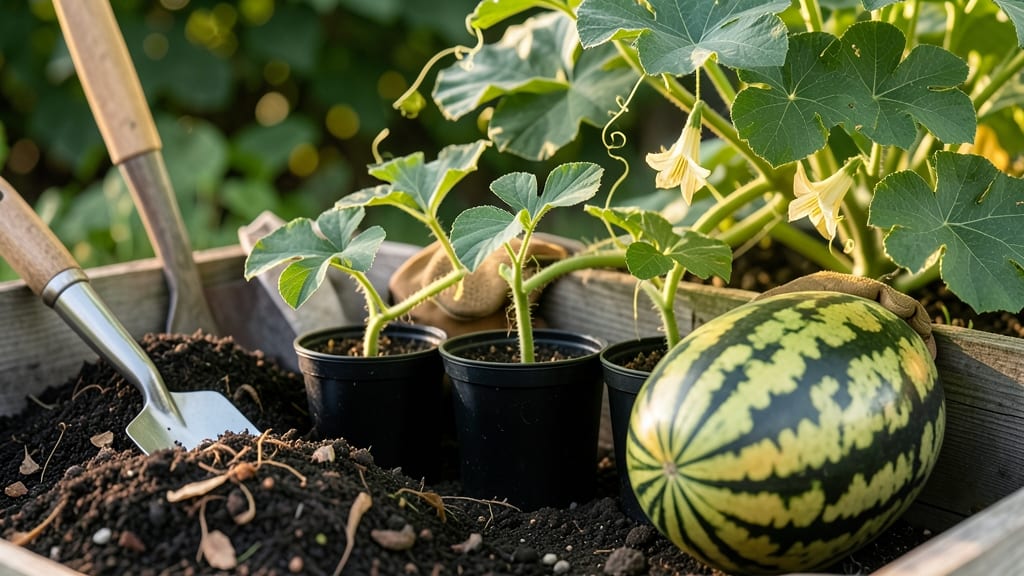
Plant watermelon in Texas when soil temperatures hit 70°F and all frost risk has passed — typically mid-March to early June for spring plantings, or late July to early September for summer harvests.
Texas gardeners know timing is everything — plant too early, and frost will kill your crop; too late, and the brutal summer heat can stunt growth. Mastering the perfect window ensures juicy, vine-ripened 🍉 watermelons every season.
This guide breaks down exact planting dates by Texas zone, heat-resistant varieties that thrive in 8a-10b climates, and pro tips to extend your harvest through Texas summers.
From soil prep to drought-resistant strategies, you'll learn how to double your yield with minimal effort — even when temperatures soar above 100°F.
Optimal planting dates for Texas Zones: avoid frost and extreme heat
Texas spans three distinct climate zones, each with unique last-frost dates and heat tolerance challenges. In North Texas (Zones 8a-8b), like Dallas and Fort Worth, the average last frost falls around March 15.
Meanwhile, Central Texas (Zones 8b-9a), including Austin and San Antonio, sees no frost after February 15, while South Texas (Zones 9b-10b), like Houston and Brownsville, enjoys year-round planting with minimal frost risk.
Timing your watermelon seeds correctly means avoiding both late frosts and scorching summer heat, which can stress young plants.
Watermelons thrive in warm soil, ideally between 70°F and 90°F. In Texas, this means waiting until soil temperatures consistently reach 70°F before planting. Use a soil thermometer to check—planting too early in cool soil leads to poor germination and stunted growth.
For North Texas, aim for mid-April, while Central Texas can start as early as late March, and South Texas gardeners can plant year-round with staggered sowings.
Here’s a zone-specific planting timeline to maximize your watermelon yield while avoiding frost and heat stress:
For North Texas, spring planting is critical—wait until after March 15 to avoid late frosts that can wipe out seedlings.
In Central Texas, you can start 2-3 weeks earlier thanks to milder winters, but still monitor soil temperatures. South Texas gardeners have the most flexibility, allowing for two planting windows: spring (Feb-Apr) and fall (Aug-Sep) for a second harvest before winter sets in.
If you’re planting in early spring, use black plastic mulch to warm the soil faster and give your watermelons a head start. Lay the mulch 2-3 weeks before planting to raise soil temperatures by 5-10°F.
This trick is especially useful in North Texas, where cool nights can delay germination. For summer plantings, focus on shade cloth during the hottest afternoons to protect young plants from heat stress.
Watermelons need 90-100 days to mature, so plan your planting window accordingly. In North Texas, aim to plant by early May for a June-August harvest.
In Central Texas, you can extend your season by planting again in late July for a fall harvest. South Texas gardeners can enjoy continuous harvests by staggering plantings every 2-3 weeks from February to June.
Pro tip: Use seed-starting indoors for a 2-week head start, especially in North Texas. Start seeds 4-6 weeks before your last frost date and transplant seedlings outdoors after soil warms.
This method helps beat the rush of the growing season and ensures your vines are large enough to compete with weeds and produce fruit before summer’s peak heat arrives.
Watch for heat waves after planting—watermelons can bolt (flower too quickly) if stressed by extreme heat. Provide drip irrigation to keep roots cool and mulch heavily to retain moisture.
In South Texas, where humidity is high, opt for disease-resistant varieties like Charleston Gray to avoid powdery mildew and downy mildew.
Remember, Texas heat is no joke—once temperatures exceed 95°F, watermelon growth can stall. Plan your planting dates to avoid the hottest months (July-August) for young plants. Instead, focus on spring and fall plantings to align with cooler temperatures and longer daylight hours, which boost fruit production
Best heat-resistant watermelon varieties for Texas gardens
Texas summers demand watermelons that can handle the heat without wilting or cracking. The right heat-resistant varieties will thrive in 90°F+ temperatures and still produce sweet, juicy fruit. I’ve grown these top five varieties in my East Texas garden and they consistently deliver—even when other melons struggle.
When choosing seeds, prioritize disease resistance and short maturity times (60-80 days). Varieties like Crimson Sweet and Sugar Baby are proven winners in USDA Zones 8a-10b, where Texas falls. For compact spaces, Charleston Gray is a space-saving powerhouse.
Comparison of Top 5 Heat-Resistant Watermelon Varieties
| Variety | Maturity (Days) | Size (lbs) | Heat Tolerance | Disease Resistance | Best For |
|---|---|---|---|---|---|
| Crimson Sweet | 75-85 | 15-25 | Excellent | Anthracnose, Fusarium | Large families, long seasons |
| Sugar Baby | 70-75 | 4-8 | Very High | Powdery Mildew, Cucumber Mosaic | Small gardens, containers |
| Charleston Gray | 70-75 | 10-15 | High | Anthracnose, Fusarium | Trellises, limited space |
| Congo | 80-90 | 20-30 | Very High | Anthracnose, Fusarium | Hot climates, long harvests |
| Candy Lee | 65-70 | 6-10 | Excellent | Powdery Mildew, Cucumber Mosaic | Early harvests, short seasons |
For North Texas gardens (Zones 8a-8b), I recommend starting with Crimson Sweet or Congo—they handle the 90°F+ afternoons without stress. In South Texas (Zones 9a-10b), Sugar Baby and Charleston Gray mature faster in the intense heat, giving you fruit before the humidity spikes in late summer.
Always check seed packets for regional recommendations. For example, Candy Lee is ideal if you’re in a short-season zone like the Texas Hill Country, where summers arrive early. Pro tip: Pre-sprout seeds indoors 2-3 weeks before your last frost date to give them a head start against the heat.
If you’re planting in July or August for a fall crop, opt for Congo or Charleston Gray—they thrive in 95°F+ temperatures and produce fruit before the first frost. Just be sure to mulch heavily to retain moisture and water deeply at dawn to prevent sunburn on young vines.
🌱