
Plants
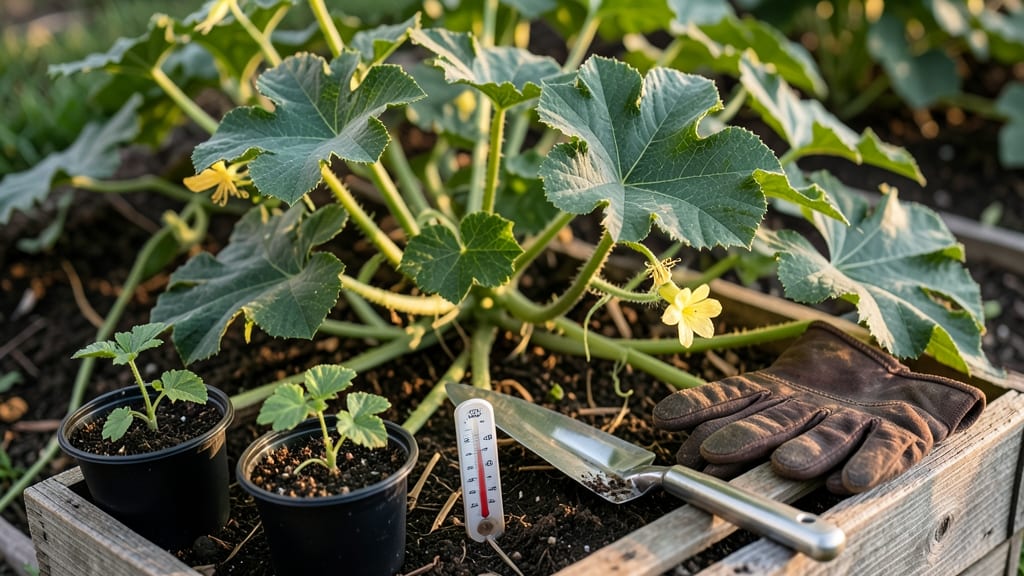
Plant watermelon seeds in Virginia after your last frost date, when soil temperatures hit 75°F or warmer—usually between mid-April and early May, depending on your region.
Virginia’s warm summers and long growing season make it an ideal place for watermelon cultivation—but timing your seeds wrong can mean bitter disappointment instead of juicy harvests.
In cooler zones like the Shenandoah Valley (USDA 6b), wait until late May to avoid frost damage, while Tidewater gardeners can start as early as mid-April. The key is soil warmth, not just air temperature.
Below, I’ll break down the exact frost-free planting window by region, soil prep tips, and how to extend your season if you’re eager to get started earlier.
Virginia’s ideal watermelon planting window: frost dates and soil temperature guide
Virginia’s climate offers perfect conditions for growing watermelons, but timing is everything. The USDA zones 6b-8a across the state mean your last frost dates vary dramatically—from early April in the Tidewater region to late May in the Piedmont.
Planting too early risks cold soil and stunted germination, while waiting too long cuts your harvest window short. Let’s break down the exact planting window for each region to ensure your watermelon seeds thrive.
Watermelon seeds require soil temperatures of at least 75°F (24°C) to germinate successfully. Cold soil slows growth and invites rot and disease. In Virginia, soil warms gradually—typically reaching this threshold between late April and early June, depending on your location.
Using a soil thermometer is the best way to confirm readiness, but NOAA frost data provides a reliable starting point for planning.
Here’s a region-by-region breakdown of Virginia’s last frost dates (2024 averages) and ideal planting windows for watermelons:
| Region | USDA Zone | Avg. Last Frost | Soil Temp Ready | Ideal Planting Window | Notes |
|---|---|---|---|---|---|
| Tidewater (Norfolk, Virginia Beach) | 8a | Early April | Late April | Mid-April to early May | Warmest zone—plant earliest |
| Southside (Danville, Suffolk) | 7b | Mid-April | Early May | Late April to mid-May | Moderate risk of late frost |
| Piedmont (Richmond, Charlottesville) | 7a-7b | Late April | Mid-May | Early to mid-May | Wait for consistent warmth |
| Shenandoah Valley (Staunton, Harrisonburg) | 6b | Late May | Early June | Late May to early June | Coolest zone—use row covers |
For direct sowing, which is ideal for watermelons, wait until all danger of frost has passed and soil is at least 75°F.
In Tidewater, this usually means mid-April, while in the Piedmont, you’ll likely need to wait until early May. Transplants can be set out slightly earlier (2-3 weeks before your ideal window), but watermelons prefer direct sowing to avoid transplant shock.
If you’re eager to get a head start, start seeds indoors 4-6 weeks before your last frost date. Use biodegradable pots and transplant seedlings carefully to avoid damaging the delicate roots.
However, watermelons grow best when planted directly into warm soil, so don’t rush—patience pays off with bigger, sweeter fruit.
In Virginia’s humid summers, watermelons need consistent moisture but hate soggy soil. After planting, mulch heavily with straw or black plastic to retain moisture and speed up vine growth.
This is especially critical in dry spells, which can occur even in rainy Virginia summers. Aim for 1-2 inches of water per week, adjusting for rainfall.
Choose fast-maturing varieties like ‘Sugar Baby’ (70 days) or ‘Crimson Sweet’ (80 days) if you’re in cooler zones like the Shenandoah Valley. These varieties reach maturity before Virginia’s first fall frosts (typically mid-October in most regions). For long
How to extend your Virginia watermelon season: cold protection and early/late planting hacks
Virginia’s cooler mountain regions like the Shenandoah Valley and Piedmont foothills can challenge watermelon growers, but with the right strategies, you can push your harvest window earlier or later.
The key is combining fast-maturing varieties, season extension tools, and precise transplanting techniques to avoid early-season bolting or late-frost damage.
Even in USDA Zone 6b, where last frost dates can linger until mid-April, you can still enjoy homegrown watermelons by starting seeds indoors and using protective covers.
For Zone 7a gardeners in the Tidewater region, late plantings in July can produce fall harvests—if you choose the right varieties and manage heat stress.
- 1 Start fast-maturing varieties like 'Sugar Baby' (70 days) indoors 4-6 weeks before your last frost date (use grow lights for 14+ hours/day).
- 2 Harden off seedlings for 7-10 days before transplanting after soil reaches 75°F (use a soil thermometer in Zone 6b areas).
- 3 Use floating row covers for 2-3 weeks post-transplant to protect from late frosts and cold snaps (remove when flowers appear to prevent heat stress).
- 4 For late-season extensions, sow 'Crimson Sweet' (85 days) in early July and use black plastic mulch to warm soil and drip irrigation to manage summer humidity.
- 5 Avoid bolting by keeping seedlings in cool (60-65°F) conditions until transplanting—use shade cloth if indoor temps exceed 70°F.
If you’re in Zone 6b, focus on early starts and season extenders. Begin seeds indoors under grow lights in late March for a May transplant, then cover young plants with floating row covers until the soil warms.
For Zone 7a, you can afford to wait until mid-April for direct sowing, but use black plastic mulch to accelerate soil warming.
For late-season harvests, choose heat-tolerant varieties like 'Black Diamond' (80 days) and plant in early July. Pair this with drip irrigation to prevent fruit cracking during Virginia’s humid summers.
Mulch heavily with straw to retain moisture and regulate soil temperature—critical in clay-heavy soils common in the Eastern Shore.
One common mistake in cooler microclimates is rushing seedlings outdoors too early. Watermelon seeds won’t germinate below 60°F soil, and seedlings bolt if exposed to cold nights. Always monitor nighttime temperatures—if they dip below 50°F, delay planting or use row covers.
With these season-extending hacks, you can enjoy homegrown watermelons from early June to late September, even in Virginia’s cooler regions. The secret? Precision timing, protective covers, and variety selection tailored to your local climate quirks. 🌱