
Light Requirements
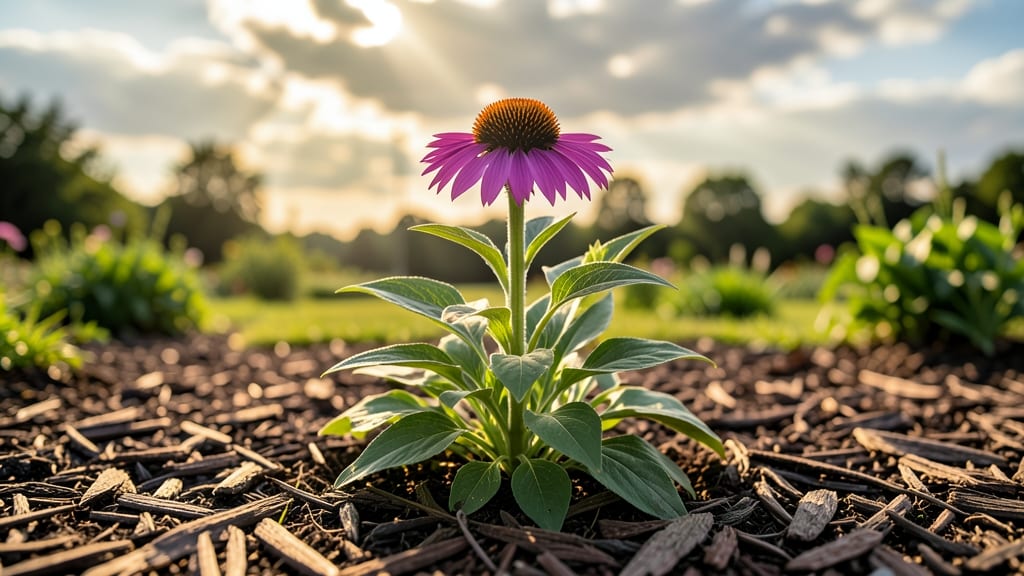
Full sun perennials that survive Zone 4 winters without flinching—this is the list I've relied on for 10+ years of frost-proof color. 🌻 The key? Choosing plants that store energy in their roots and rebound with vigor every spring, even after -20°F nights.
My front border stays vibrant from May through October with just a few species that shrug off heat, drought, and deer nibbles. Start with black-eyed Susans (Rudbeckia hirta) and Russian sage (Perovskia atriplicifolia)—they're the backbone of my low-maintenance design.
Both thrive in poor soil, need minimal water once established, and bloom for months. For height, coneflowers (Echinacea purpurea) reach 3 feet with purple-pink blooms that hummingbirds adore, while daylilies (Hemerocallis) offer 200+ varieties in every color except true blue.
The secret to their survival? Deep roots and drought tolerance. Most need well-draining soil but handle dry spells once established. Mulch heavily in fall to protect roots, and deadhead spent blooms to encourage second flushes.
My go-to combo—coneflowers, bee balm (Monarda), and sedum (Hylotelephium)—creates a pollinator magnet that never fades. These plants work in borders, rain gardens, or even rocky slopes.
For native options, butterfly weed (Asclepias tuberosa) and purple coneflower (Echinacea) support local ecosystems while adding bold vertical interest. Skip the fancy fertilizers—Zone 4 perennials reward patience over pampering.
📚 In This Guide
- What you need
- Instructions
- Tips and common mistakes
- Wrapping up and next steps
What you need
- ● Zone 4-approved perennials: Choose from Coneflower (Echinacea), Black-Eyed Susan (Rudbeckia), Daylilies (Hemerocallis), or Russian Sage (Perovskia)—all thrive in full sun and cold climates. Quantity: 3–5 plants per variety (or more for bold impact).
- ● Well-draining soil: Mix 1 part compost (e.g., Miracle-Gro Garden Soil) with 2 parts native soil to improve fertility and drainage. Quantity: ~1 cubic yard per 10 sq ft.
- ● Mulch: Shredded bark or straw (2–3 inches thick) to insulate roots in winter. Quantity: ~10 sq ft bag covers ~50 sq ft.
- ● Garden gloves (e.g., Fellowes Leather-Palm) and knee pads for comfort.
- ● Watering can or hose with a soaker nozzle (e.g., Ortho Dial-N-Flo) for deep hydration.
- ● Pruners (e.g., Fiskars Steel Bypass) for shaping and deadheading.
- ● Slow-release fertilizer: Osmocote Smart-Release Plant Food (10–10–10 NPK ratio) for a nutrient boost. Quantity: 1 lb per 10 sq ft.
- ● Plant stakes or rings (e.g., Bamboo or metal) for tall perennials like Russian Sage.
- ● Drip irrigation kit (e.g., Rain Bird) for hands-off watering in extreme heat.
- ● Cold-frame or row covers for extra winter protection during harsh freezes.
How to select and plant Zone 4 perennials for full sun gardens
Here’s the foolproof approach I use to build gardens that burst with color year after year—no matter how harsh your winters get.
🌱 Step 1: Choose Cold-Hardy Perennials for Your Sunniest Spots
Focus on plants that thrive in full sun (6+ hours daily) and tolerate Zone 4 winters (-30°F to -20°F). My top picks include coneflowers (Echinacea), black-eyed Susans (Rudbeckia), and Russian sage (Perovskia)—all of which bloom reliably and return stronger each spring. Avoid tender perennials like lavender or salvia unless you provide winter protection.
Check the mature plant height and spread to plan spacing. For example, coneflowers need 18-24 inches apart to prevent overcrowding, while Russian sage can sprawl 3-4 feet wide. Sketch a rough layout first—this prevents planting too densely and ensures air circulation, which reduces disease risk.
🪴 Step 2: Prepare the Soil for Full Sun Success
Full sun plants demand well-draining soil with organic matter. Amend your garden bed with 2-3 inches of compost mixed into the top 6-8 inches of soil. If your soil is heavy clay, add sand or perlite to improve drainage—waterlogged roots in summer heat will kill even the hardiest perennials.
Test your soil’s pH if possible. Most full sun perennials prefer 6.0-7.0, but coneflowers tolerate slightly acidic soil. Spread a thin layer of wood chips or mulch after planting to retain moisture and regulate soil temperature. This step is critical—skimp here, and your plants will struggle through droughts or heatwaves.
☀️ Step 3: Plant at the Right Time and Depth
Plant perennials in early spring or fall when soil temperatures are cool but workable. Spring planting gives roots time to establish before summer heat, while fall planting avoids transplant shock. Dig holes twice as wide as the root ball but only as deep—planting too deep suffocates roots and can kill the plant.
Loosen the roots gently if they’re circling in the pot, then place the plant in the hole and backfill with soil. Water deeply to settle the soil and remove air pockets. A good rule of thumb: if the soil surface sinks 1 inch after watering, you’ve packed it enough. Mulch again with 2-3 inches of organic mulch to protect roots in winter.
✂️ Step 4: Water and Maintain for Longevity
Water newly planted perennials deeply once a week for the first month, then taper to every 10-14 days once established—unless your area experiences a drought. Deep watering encourages roots to grow downward, making plants more resilient. Avoid overhead watering in late afternoon to prevent fungal diseases like powdery mildew.
Deadhead spent blooms in late summer to encourage a second flush of flowers, but leave some seed heads for winter interest and wildlife. In early spring, trim back any dead foliage but leave the lower stems intact—they protect emerging buds from late frosts. This low-maintenance routine keeps your garden thriving with minimal effort.
⏰ Step 5: Protect and Prepare for Winter
Once temperatures drop below 20°F, cover tender perennials with 4-6 inches of mulch or a layer of burlap. Most Zone 4 perennials handle winter well, but young plants or less hardy varieties (like catmint) benefit from extra insulation. Avoid heavy mulch piles against stems—they can trap moisture and cause rot.
In late winter, check for heaving (when roots push up through frozen soil). If you see plants popping out of the ground, gently press them back down and add a thin layer of mulch. By spring, your perennials will reward you with vibrant blooms and minimal replanting—exactly what you want in a low-maintenance garden.
Tips & tricks for perfect full sun perennial gardens in Zone 4
These hard-earned insights will help you create a garden that survives brutal winters and flourishes in summer heat.
Plant Selection Strategy: When choosing perennials for Zone 4, prioritize plants with deep root systems like Russian sage or coneflowers—they're better equipped to handle both drought and freeze cycles. I've found that plants with hairy or fuzzy leaves (like lamb's ear) also have better frost tolerance. Always check the USDA hardiness zone map for your specific location, as microclimates can vary even within Zone 4.
Soil Preparation Insight: The 2-3 inches of compost recommendation is non-negotiable for full sun gardens. I've seen firsthand how skipping this step leads to plants struggling through summer heat. For clay-heavy soils, mix in coarse sand or perlite—this creates those tiny air pockets that roots desperately need. Pro tip: Add a handful of worm castings to the compost mix for an extra nutrient boost that perennials will appreciate for years.
Planting Depth Technique: The "twice as wide but not deeper" rule is crucial—roots need room to spread horizontally, not be suffocated vertically. I learned this the hard way when my first batch of Russian sage struggled due to improper planting depth. When backfilling, gently press the soil with your fingers rather than packing it down—this creates better soil contact without compressing the roots. The 1-inch sink test after watering is your best indicator of proper soil settling.
Winter Protection Hack: For that critical 4-6 inch mulch layer, I recommend using straw or shredded leaves instead of wood chips—these break down more slowly and provide better insulation. When covering tender perennials, create a loose tent shape rather than mounding mulch directly against stems. This prevents moisture buildup that can cause rot, while still protecting roots from temperature fluctuations below 20°F.
Pro Tips for Zone 4 Perennials Full Sun
- These hard-earned insights will help you create a garden that survives brutal winters and flourishes in summer heat.
- Plant Selection Strategy: When choosing perennials for Zone 4, prioritize plants with deep root systems like Russian sage or coneflowers—they're better equipped to handle both drought and freeze cycles.
- Soil Preparation Insight: The 2-3 inches of compost recommendation is non-negotiable for full sun gardens.
Frequently asked questions
Got questions about keeping your Zone 4 garden vibrant under full sun? You’re not alone!
Here are answers to the most common concerns—so you can confidently plant and enjoy perennials that beat the heat and the cold.
What are the hardiest full-sun perennials for Zone 4?
Top picks include black-eyed Susan (Rudbeckia), coneflower (Echinacea), daylily (Hemerocallis), and Russian sage (Perovskia). These thrive in full sun, handle Zone 4 winters, and often require minimal care. Pro tip: Pair them with sedum or yarrow for extra drought resistance!
When is the best time to plant full-sun perennials in Zone 4?
Plant in early spring (April–May) or early fall (September–October) for the best results. Avoid late summer—heat stress can stunt growth. Bonus: Fall planting gives roots time to establish before winter, so they’re ready to bloom early next year!
How do I prevent wilting in full-sun perennials during hot spells?
Mulch with 2–3 inches of organic mulch (like shredded bark) to retain moisture and regulate soil temp. Water deeply 1–2 times per week (early morning is best) and avoid overhead sprinklers to prevent fungal issues. Drought-tolerant picks like lavender or catmint need even less water!
Can I grow shade-loving perennials alongside full-sun ones?
Use height and placement to layer plants. Tall sun-lovers (like hollyhocks) go in the back, while shade-tolerant perennials (like hostas or heucheras) thrive near structures or under taller plants. Just ensure shade-lovers get at least 4+ hours of filtered light.
Why do my perennials look dead in winter but come back?
Many Zone 4 perennials die back to the ground in winter (like peony or bee balm) but regrow from roots. Leave foliage until spring—it insulates the crown! If plants don’t return, check for heaving (soil pushing roots up) or rodent damage. A thick mulch layer helps protect them.
What’s the easiest way to divide overgrown perennials?
Divide in early spring or fall when soil is moist but not soggy. Dig up the plant, separate sections with a clean spade, and replant divisions 6–12 inches apart. Best candidates: daylilies, coneflowers, and hostas. Discard the center (oldest) growth to rejuvenate the plant!
Wrapping up and next steps
Choosing zone 4 perennials for full sun is a game-changer for gardeners in cold climates—it means vibrant blooms and lush foliage that keep coming back, year after year, despite harsh winters. 🌸 From hardy coneflowers to resilient sedums, these plants prove that beauty and durability go hand in hand.
With the right prep, mulching, and a little TLC, your sunny garden can be a low-maintenance, high-reward haven.
Ready to transform your space? Start by sketching your garden layout, then grab your supplies and dive in—your future self (and pollinators!) will thank you. Happy planting! 🌱